
Mayor Daniel Lurie has a big problem. He might not realize it in the wake of all his Election Night celebrating, but now he has to face reality: The voters gave him everything he wanted. He has more power than any mayor in modern history. He has a Board of Supes that will do pretty much anything he asks.
Now he has to address the city’s most pressing issues, with no excuses, without offending his billionaire backers.
That’s not going to be easy. It might not even be possible.
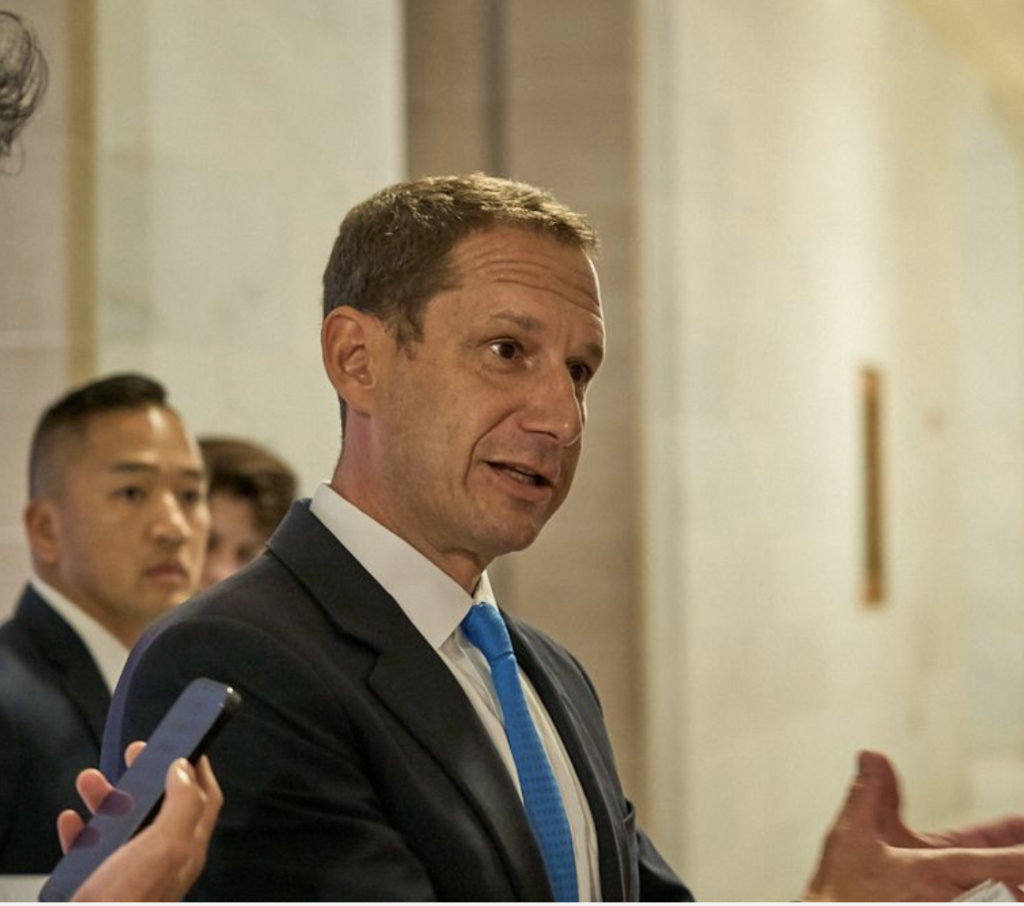
The number one crisis in San Francisco today is housing affordability, and it’s about to get worse. When Lurie’s pals at Anthropic have their IPO, it will help fill empty office space as they hire more staff, and thus enrich the owners of commercial buildings, including Donald Trump, who owns half of the Bank of America building. The IPO will also add 4,000 more millionaires to the city, and all of them will want to buy houses (or maybe pay $10,000 a month for a nice downtown rental).
Then OpenAI will do its own IPO in the spring, and mint another few thousand millionaires, who will be competing in the housing market.
Prices will continue to soar. Greedy landlords will seek to get rid of rent-controlled tenants at almost any cost. Anyone who isn’t rich will be at risk of displacement.
More low-income people will become homeless, and since there’s no place for them to go, they will be on the streets or in the county jail, which is overcrowded and can’t hold them for long anyway.
There’s not a whole lot the mayor can do about it—unless he wants to profoundly change his political agenda.
The mayor could, indeed, follow the mayor of New York and freeze the rent on rent-controlled apartments. The mayor appoints the Rent Board, which sets the annual allowable rental increase. I doubt he’s going to do that.
The affordability crisis is in part the fault of the state Legislature, which has made it impossible for San Francisco to have real rent control or eviction protections. Lurie could rally his billionaires and work to get the Legislature to repeal the Costa-Hawkins and Ellis Acts. The $30 million they spent to get Scott Wiener (who never once tried seriously to repeal those laws) might make a difference in a body that is controlled by Big Real Estate.
He won’t do that.
He’s already tried, as has Wiener, to eliminate any local opposition to luxury housing development. But developers aren’t building anyway; the institutions that finance market-rate housing are good capitalists, and they put their money where the highest return is, and today, you can get more in Treasury bills than you can building housing. You might get a whole lot more from the Anthropic IPO.
That’s not because of red tape, Nimbys, or permit delays. Those are all gone. Most housing is now “ministerial.” It’s the economy, stupid. Lurie can’t change that.
Lurie won Prop. C, which will add more than $100 million a year to the Housing Trust Fund. He helped defeat Prop. I, which would have put another $100 million into social housing. If both had passed, and the Democrats in Congress restore some federal housing money, we might have been looking at 40,000 affordable units over ten years. That would mean 10 percent of local housing would be out of the private market, which might actually bring down private-sector rents. If more than 80,000 people can get an apartment for 25 percent of what private landlords want to charge, the private landlords might have to … compete.
Instead, the mayor’s folks spent millions to kill Prop. I, so Lurie might, maybe, get half of that, and it won’t be around for years to come.
Even if private developers arrived in mass numbers into the city to build more luxury housing, and even if the Yimbys are right and that brings down costs, there’s no way rents will come down before Lurie has to face the voters again.
The voters narrowly are approving Prop. B, which will set in motion the process of creating a public bank. If Lurie were to get on board with that in a big way, the city could start using its own cash to fund affordable housing. So far, he has shown little interest.
So what, exactly, is he going to do? Hire more cops, put more people in an overcrowded jail, help big commercial landlords make more money … and what about everyone else?
Maybe he figures that his billionaires can turn San Francisco into nothing but a playground for the rich. So who is going to make their coffee, and cook their meals, and clean their houses, and drive the buses that keep the city functioning, and staff the hotels that host the conventions that he loves?
Do the math. It doesn’t work.
Good luck, Mr. Mayor.