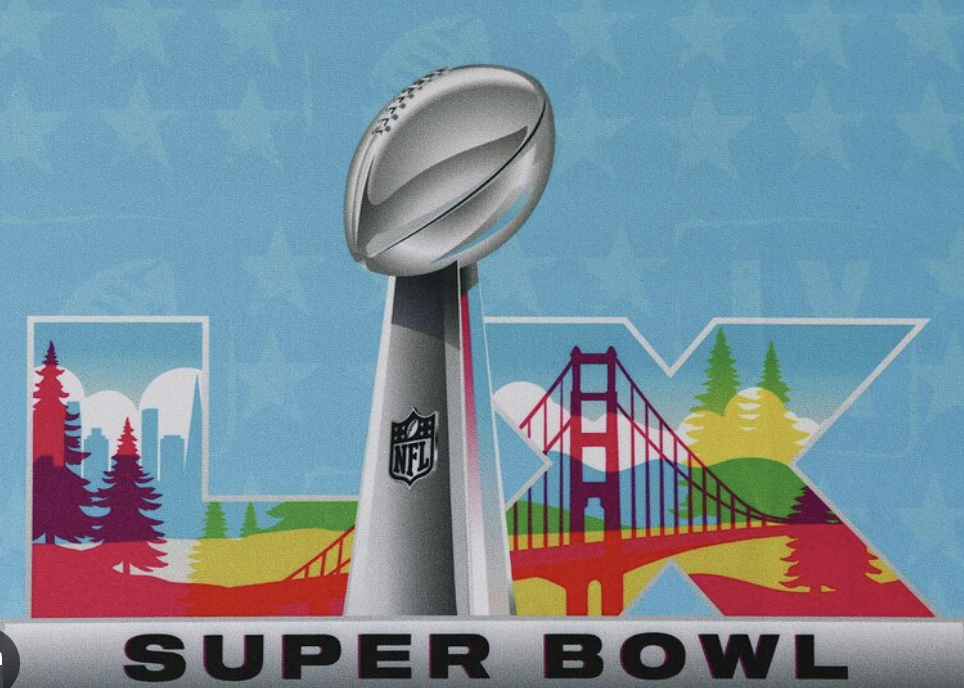
The Super Bowl arrives in the Bay Area as more than a game. It’s an American spectacle—a reflection of our culture, our celebrity, and our values as much as the contest on the field.
And this year, the host region reflects something else just as clearly. San Francisco sits at the center of the wealth inequality gripping the country, a place where fortunes scale at historic speed while the gap between those who produce value and those who capture it continues to widen. As I reflect on my own NFL career and life playing the game that will light up screens for more than 100 million Americans this weekend, I keep returning to the same question that changed my life—and the league—more than 40 years ago.
I earned a living for seven seasons in the NFL as a linebacker for the St. Louis Cardinals. I wore the pads, took the hits, watched the game grow into a multi-billion-dollar enterprise. I left at 29, not because I couldn’t play, but because I could no longer ignore the question that haunted every NFL locker room and executive suite: Who gets what, and why?
The phrase who gets what is more than a slogan. It’s the open wound of American life, the oldest and most dangerous fault line in our society. It’s the question that took me from the trenches of pro football to the trenches of labor organizing with the NFL Players Association. Today it’s the question of our time, as a single man’s fortune approaches $1 trillion, as wealth and power concentrate in a handful of men richer than nation-states, as we slide toward an untenable era of American oligarchy: Who gets what, and why?
When my fellow players and I took on the owners, it wasn’t just for higher pay. It was for choice—for the basic freedom to decide where to work and to be treated like human beings, not property. In the 1970s, the owners took the lion’s share while the men putting their lives and bodies on the line were told to be grateful for scraps. We forced the question on the league, the owners, and the fans: Who gets what, and why?
It took more than a decade of strikes, lawsuits, and lockouts, but we won. Free agency became real. Players could work for whomever they want. We were no longer owned property. The revenue split neared 50-50. For the first time, players had both choice and share—the twin pillars of dignity in any capitalist system. That victory carries a lesson for the country today: when working people organize, they don’t just win contracts, they change the terms of power.
Every economy, every industry, every game comes back to that same question. Today’s bosses and the media they own still have the same answer, the old owners gave us: You get nothing, and you should blame someone else for it. For years, I watched my NFL games broadcast by the same networks owned today by Rupert Murdoch, David Ellison, Jeff Bezos, the same oligarchs who, via their media networks, seek to convince you immigrants are to blame for the increasingly high cost of living, or poor people for the lack of affordable housing, or that the most important issue of the day is a small number of trans athletes. These storylines all serve to deflect the attention from where it needs to be; the massive inequality these oligarchs have created. As The Who sang the year after I retired: Meet the new boss, same as the old boss.
Trump is at the heart of this exploitation, and he’s threatening more than just our national reputation. He’s turned the levers of government into tools for personal gain, using tariffs, tax cuts, and market theatrics to make himself and his friends richer. Each new trade threat or policy flip sends Wall Street into a frenzy that they’re ready to cash in on. And while they play the market like a game, millions of Americans nearing retirement watch their savings rise and fall with every stunt—our futures turned into chips on someone else’s table.

The same way the league profited from players’ pain, today’s corporate class profits from our data, our attention, our planet. And once again, they tell us the system is natural, inevitable, beyond question. But it’s not. It’s built, and it can be rebuilt.
We have the tools and can build on old wins. Organizing means expanding the union model. It means demanding social rights alongside personal freedoms: fair wages, data ownership, community control of energy, democratic say in the technology that governs our lives. It means asking again, out loud and together: Who owns the factories, the platforms, the profits, and who pays the price when it all goes wrong? Who gets what?
If we could change the profit system in something as quintessentially American as professional football, we can change it anywhere. The gig economy, the attention economy, the AI economy, they’re all new versions of the same old contest. The players change. The game stays the same.
I left football at 29 because I realized the game wasn’t just sport, it symbolized everything wrong with wealth and power in America. The question I carry still is the same one that made me walk: Who gets what?
Today, the field is larger, the players more powerful, the stakes far higher. As the world becomes more chaotic, we risk handing the question unanswered to a modern cadre of robber-barons. We must not. We must ask it, organize around it, and demand structural change. Because nothing truly changes until we change who gets what.
Dave Meggyesy played for the St. Louis Cardinals in the NFL and became an organizer with the NFL Players Association. He lives in the Bay Area.