
The Board of Supes today sided with AT&T and rejected a neighborhood appeal of a plan that would install a 100-foot cell-phone tower on the edge of Glen Canyon Park.
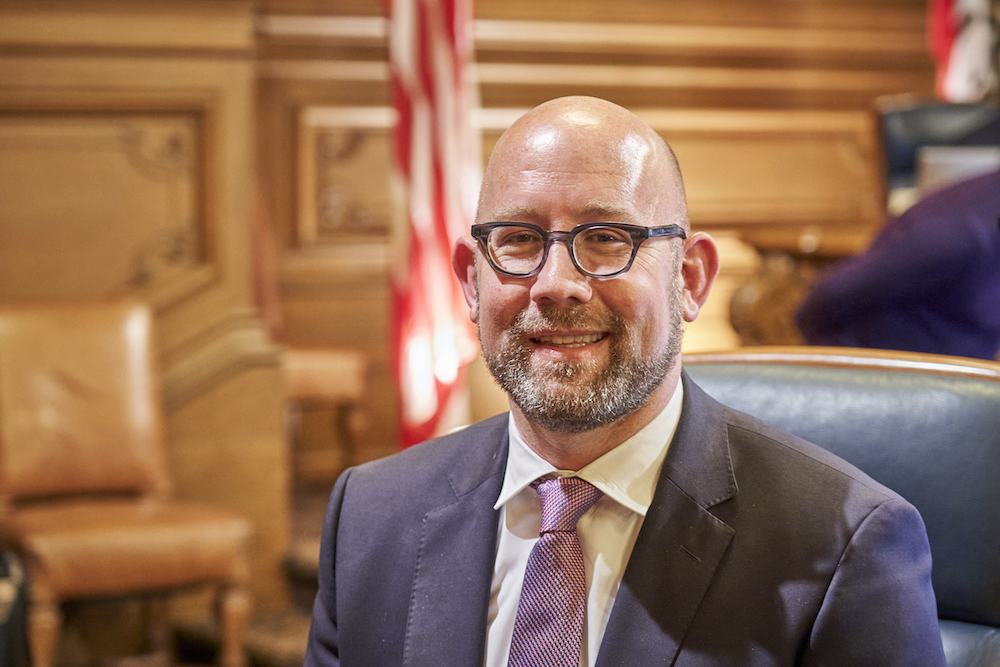
Sup. Rafael Mandelman, who represents the area, took the lead in saying that under federal law, the city has no choice but to do what AT&T wants.
Only Sup. Connie Chan voted with the Diamond Heights neighbors.
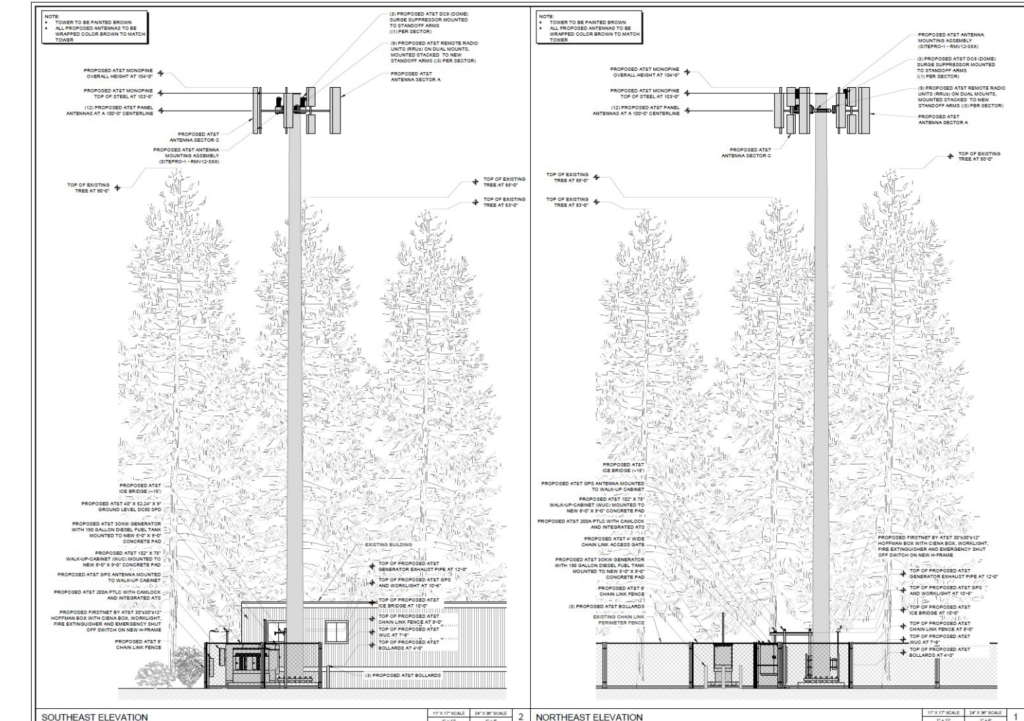
The giant telecom provider says it needs the tower to provide adequate service to its customers in the area, where T-Mobile and Verizon have reliable service, but AT&T doesn’t.
Company representatives say they looked all over for other sites, but nothing worked out, so they chose a spot on the grounds of the Police Academy.
Mandelman admitted that the pole will be big and unsightly. He said that, under normal circumstances, he could question whether it was necessary and desirable.
But he said the Telecommunications Act of 1996 limits the ability of cities to reject even pretty monstrous cell facilities as long as the provider has made an effort to seek alternatives.
In this case, AT&T admits that it did not look at alternative technologies, such as distributed antennas. But that, Mandelman concluded (and the city attorney agreed), was not required under the law.
Catherine Dodd, a member of the Diamond Heights Community Association, told Mandelman that San Francisco has often taken bold stands against big corporations without fear of litigation. “We have been sued by Big Alcohol, Big Tobacco, and the plastic bag industry,” she said.
Mandelman offered some conditions: The Fire Department has to approve the installation and the diesel back-up generator, and an arborist has to approve anything that might hurt the trees.
But with that, he moved to deny the appeals and allow the project to move forward.
This isn’t just a Diamond Heights issue. Already, AT&T has won approval for similar towers at the Palace of Fine Arts at in the Presidio. With this precedent, neighbors argued, the company may very well try the same tactic in neighborhoods all over the city.
As Daniel Schereck, president of the community group, noted: “If AT&T builds this, every supervisor will have to deal with these monopoles in your district.”