The theme for this year’s National Queer Arts Festival, “Magic Mirror” was chosen before new Queer Cultural Center Executive Director Lauren Garcia came aboard, but she immediately connected with it.
“It came from community feedback to our board about what’s really feeling resonant right now,” Garcia said. “A lot of reflection has been happening, both for the organization itself as we near the 30th anniversary of the festival, and for our communities in general, as it’s such a difficult time for marginalized groups.
“We’re really thinking about reflection as in engaging the wisdom of our elders, of people who have been through things like this before, and using mirrors as portals to imagine something new and bigger and better for ourselves. That’s what all of our artists are doing this year.”
The Queer Cultural Center has been putting on the National Queer Arts Festival since 1998, launched by an alliance of diverse performers who wanted to see their communities and artforms more fully represented in the local scene. For the past three decades it has anchored June’s Pride month, with performances in a wide variety of disciplines, from comedy and theater to music and magic.
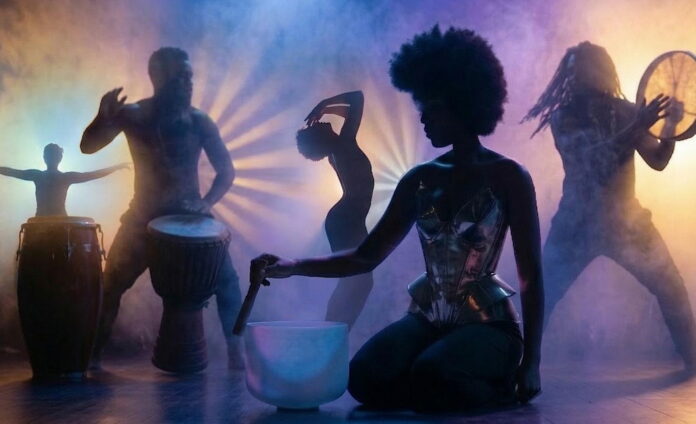
This year refreshes the approach, binding the fest’s five events together with an esoteric poeticism. Things kick off with Sat/16’s “Black Astrology: As Above, So Below,” led by artist-astrologer Leah and astro-astrologist Revel, who aim to “deepen self-understanding through the mirror of the heavens and ancestral resonance as is reflected in astrological placements.” Guided meditation and stargazing, along with a sound bath immersion from 7000COILS, reclaim astrological systems erased by colonialism, much like indigenous queerness was erased.
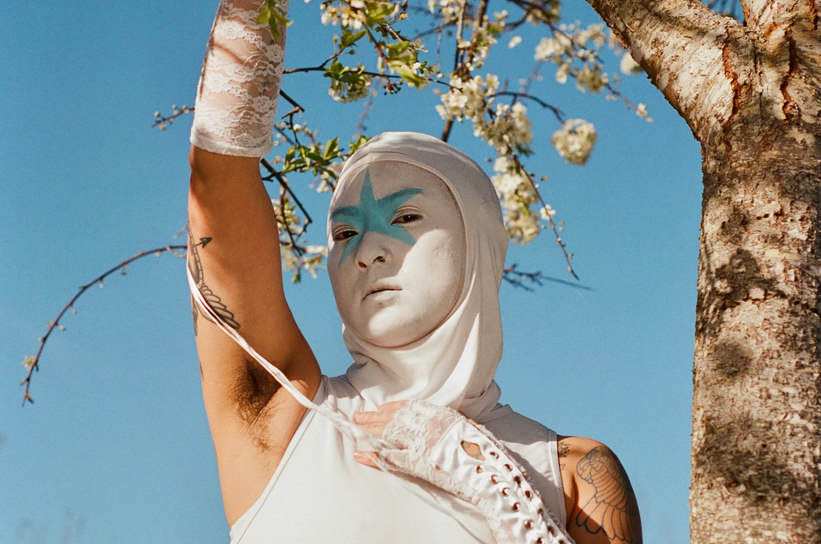
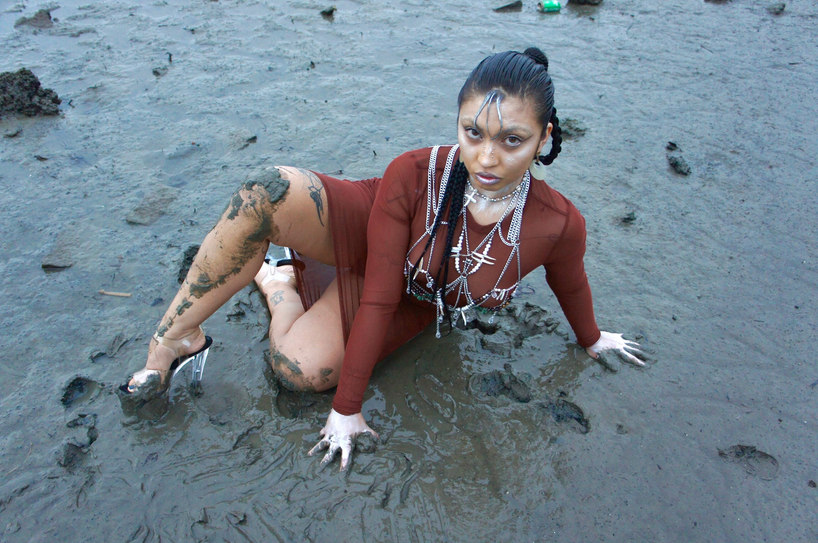
The mirror/reflection metaphor extends through all the events, including interactive, immersive “Tidal Mirror” (May 30 at Oakland’s Spire the Church), featuring installations, live soundscapes, and prompts anchored in water; “aquarium” (May 23 at Community Music Center) a five-hour “queer and trans sound medicine space”; and a lively emerging artists showcase (June 21 at Brava Theater), which reflects and amplifies many of the bright talents the community possesses right now.
Garcia speaks passionately of Frankie Maston’s Mirrored Sessions (June 11) coming to the Palace Theater, “an immersive, multi-arts performance and communal ritual that moves from grounding to release, from remembrance to reclamation through live music, embodied dance, and storytelling.”
“Frankie is a trans artist from Tanzania, who has been living in the Bay for a while, and performed at the Trans March last year,” Garcia said. “Here, she’s getting the chance to be equipped for her own fully led show. She’s the creative director of the show, along with being the lead performer, which is a huge undertaking.

“There are three acts to the show, which include a sound bath meditation, pole dancing and sensual movement, and a live music set at the end, with traditional African drummers and a full band. It’s going to be an incredible show.”
Maston’s show also highlights the Queer Cultural Center’s dual mission as an event producer and also a training resource for artists to manage their own productions. “We support artists in finding more resources, and more experience in hands-on production. I think artists in the Bay, we often rely on all of these grant programs. Foundations have a lot of money to offer, but artists are asked to do so many things with just a check and no other support.
“We’ve been able to fill in some of those gaps where they need support, like, ‘What does promotion and marketing look like? How do I do my taxes? How do we stick to a budget?’ We walk through that with them hand-in-hand.”
As for Garcia’s vision for the festival’s future, she’s been looking back to its past and finding inspiration. “I think of the current festival as a return to Queer Cultural Center’s roots. I’ve been really digging through archival material and seeing things like circus performances and [punk legend Jennifer Blowdryer’s] Smut Fest 1989. So, yeah, the shows this year are more experimental, they’re more inter- and multidisciplinary, and they are more participatory, engaging people in this way that’s not just watching a show.
“What made the festival so great in those early years, too, was that there were a lot of panel discussions, there were community conversations about not just art, but what it looks like to be queer in this city, what it looks like to provide resources for one another beyond a performance.
“Specifically, I was struck by a visual art exhibition called ‘Face‘ at the first festival, then called the San Francisco Queer Arts Festival. It was all self-portraits, an amazing time capsule of the community. We’ll be bringing that back for the 30th Festival, which will likely happen in 2028, with an exhibition on bodies.”
This year’s fest ends with “The Exhale,” June 30 at the African American Arts and Culture Complex, an opportunity for everyone to come together at the end of Pride month and heave a sigh of, if not relief, than release. (Massages will be available.) But first, a deep dive into the queer mirror for some much needed communal reflection.
NATIONAL QUEER ARTS FESTIVAL Sat/16-June 30, various location. More info here.