With the help of 2018’s Prop E, the 94-year-old San Francisco Arts Commission has championed the city’s artists through the Arts Impact Endowment, providing independent grantees with up to $50,000 annually “towards the maintenance of San Francisco’s vibrant arts culture,” according to its mission statement.
As the commission grapples with Mayor Lurie’s initiative to roll three historically distinct arts commissions—SFAC, Film SF, and Grants for the Arts—into one agency, however, many of the 59 independent artists who received the AIE grant this year faced debilitating delays in funding. While first installments of the grants have been disbursed over the last few weeks, the delays revealed just how fragile life in the city is for San Francisco artists.
“We had all moved our lives around to accommodate the city commitment that we were making as a grantee and a supplier,” artist and arts advocate Shrey Purohit said.
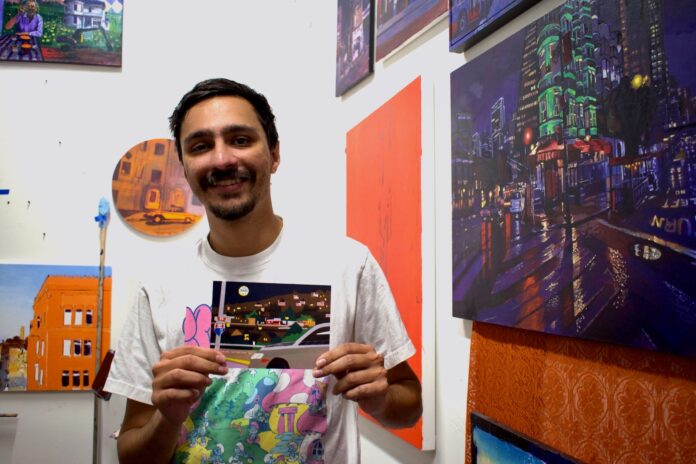
Purohit first moved to San Francisco from Mumbai in 2018 to attend California College of the Arts and now works as a painter, curator for Ingleside Gallery, and exhibitions lead for the non-profit organization ArtSpan. After six years of applications, Purohit received this year’s Arts Impact Endowment to create “Unsung SF,” a series of mixed media paintings focused on the lives of San Francisco’s working class residents.
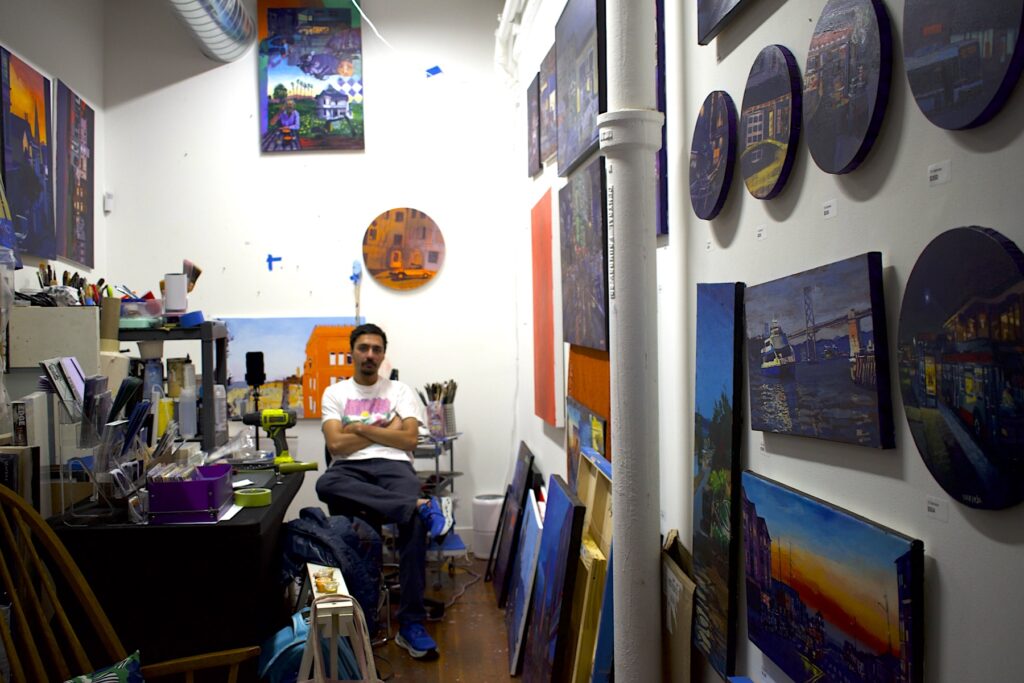
Amid the SFAC merger, Purohit has been a prominent advocate for artist compensation, organizing fellow grantees and sharing concerns about the grant delays on social media. Having received the first $25,000 of his grant in mid-October, three months after the usual dispersal period, Purohit worries about the commission’s ability to keep artists in an expensive, tech-centric city like San Francisco.
“If we are unable to pay them (artists) on time so they can pay their rent, how are we fulfilling the purview of keeping artists here?” Purohit asked.
(48 Hills reached out to SFAC for comment on the grant delays but did not receive a response.)
From his studio at the Root Division gallery, lined wall-to-wall with paintings of San Francisco streets and iconic monuments, Purohit works around the clock to make ends meet. Along with his painting commissions and curatorial work, he also started The San Francisco Postcard Club, a postcard subscription service that features a new painted cityscape every month. Purohit says that working so many jobs is the only way to pursue art in the city.
“You sell paintings and you survive,” Purohit said.
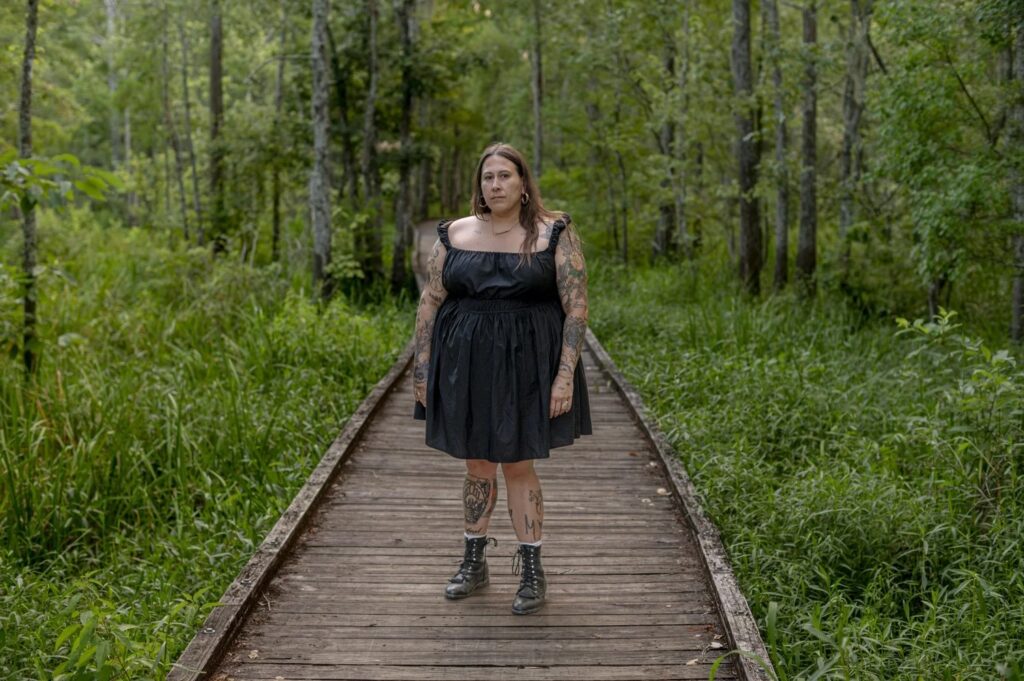
However, not all artists can sustain the constant hustle. Tricia Rainwater, an executive assistant and SFAC grantee who’s lived in the city for over 20 years, now faces her final year in San Francisco. Living above a pizza place in a small Hayes Valley apartment, Rainwater says she developed asthma due to the building’s poor ventilation, forcing her to cut back an estimated 60-hour work week vital to supporting her art.
She said that between unanswered pleas to the San Francisco Rent Board and the rising tide of AI making administrative roles like hers obsolete, she cannot keep up with the financial demands of the city. “I think people have to get crafty about what they’re going to do and how they’re going to make it,” Rainwater said. “I don’t know how I’ll make it.”
Housing affordability continues to be a massive concern for many San Franciscans, with the median rent for a one bedroom apartment reaching almost $4,500. According to the city’s Department of Homelessness and Supportive Housing, there’s been a combined 61% increase in people experiencing homelessness and living in shelters over the last two years alone. Of this, 37% of people are experiencing homelessness for the first time.
The Arts Commission plans to open a new artist housing complex in 2028, but a lot can happen in two years, and Purohit sees many artists like Rainwater already getting priced out of the city.
“I see it actively,” Purohit said. “It is extremely saddening, depressing, and every artist thinks about it.”
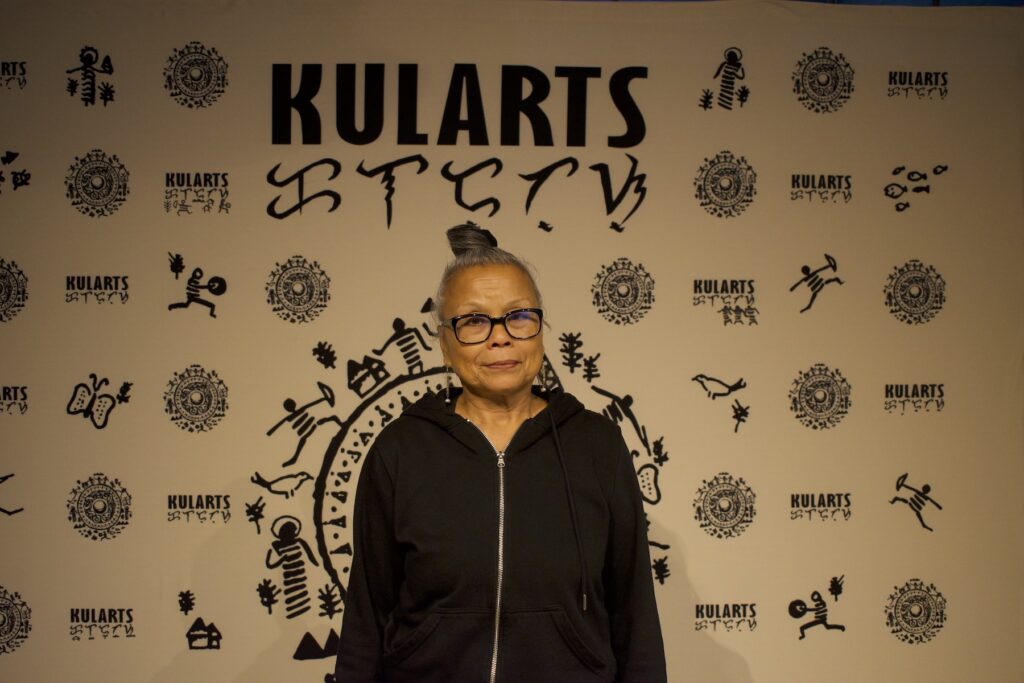
Historically, communities of color have faced even greater difficulty breaking out into the city’s art scene. Alleluia Panis, artistic director of the tribal Pilipino dance theatre KULARTS, has been a fixture of the San Francisco community since the ‘60s, growing up in the Pilipino cultural hub of SoMa and struggling to secure equitable opportunities for BIPOC artists.
She says that it has taken a lot of advocacy to get the city’s support of cultural art and finds success in the establishment of KULARTS’ art center in 2024. “Never in a hundred years would I have thought I’d live to see the day we have a building anchored in our own community,” Panis said.
Despite the grant delays, Panis recognizes that the Arts Commission provides artists with better funding than they’d receive in many other cities and that maintaining accountability of public funds is critical for artists of color.
“Government is so key for the survival of people who don’t have access to… resources, because you can question government funding,” Panis said. “It’s the funding for the people.”
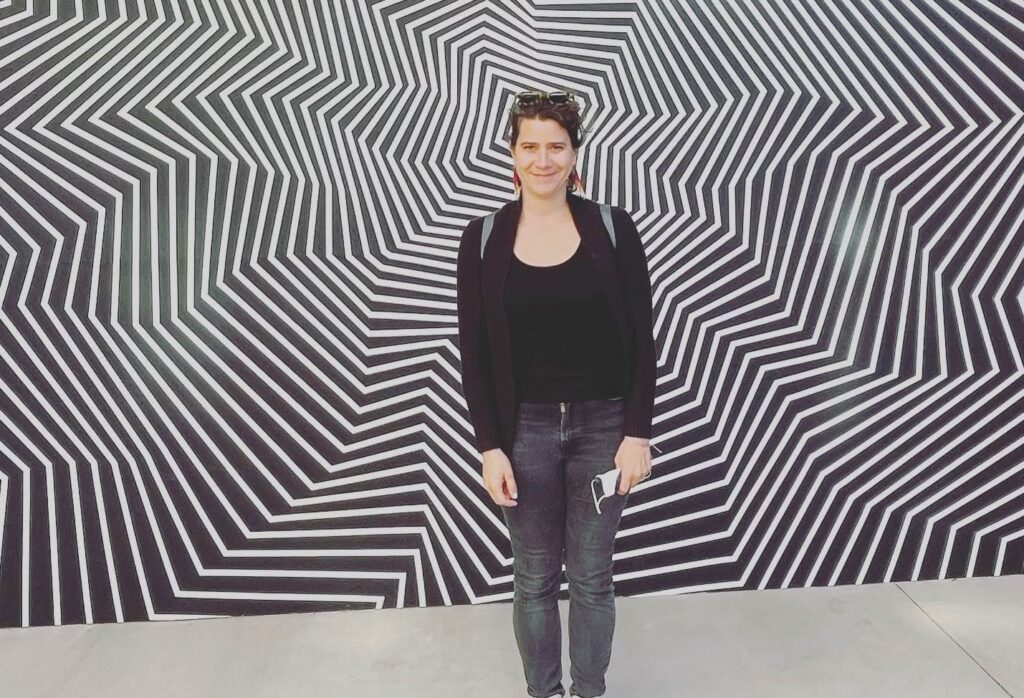
For Amal Bisharat, artistic director and co-founder of the music, theatre, and sound design company Meem Collective, the SFAC grant is an unexpected show of support for her work as a Palestinian theatre director.
With the endowment, Bisharat is directing a musical adaptation of Susan Abulhawa’s globally-acclaimed novel, Mornings in Jenin, following four generations of a Palestinian family living under Israeli occupation.
“A lot of people told me you’d never receive public money for this project, and that hasn’t been my experience with San Francisco,” Bisharat said. “It makes me feel really grateful.”
SFAC’s support of Bisharat’s work is particularly stark against the suppression of pro-Palestinian sentiment in the city, such as District Attorney Brooke Jenkin’s estimated $600,000 prosecution and trial of the Golden Gate 26 for shutting down the Golden Gate Bridge in 2024, protesting the US’s complicity in the Gaza Genocide.
Bisharat said that, while the need to prove Palestinian’s humanity to Western audiences is frustrating, the Arts Commission recognizing her project’s importance means more than she can say. “It’s overwhelming because it’s not just about my work, but I’m really doing it to tell the story of Palestine,” Bisharat said. “It means Palestine is seen.”
Under the Trump administration and San Francisco’s conservative lean in this month’s election, immigrants and communities of color grow more and more concerned for their well-being. Purohit, who currently resides in the US on a temporary O-1 visa, says that his status as a foreign national adds pressure to an already strenuous life as an artist.
With an O-1 status, Purohit is required to keep his visa with him at all times under threat of misdemeanor charges and grounds for deportation. His health insurance premium is $800 a month without the benefits provided to US citizens.
“[I’m] extremely scared of folks just showing up and taking me away, as they’ve done in the city around corners from here (his studio),” Purohit said.
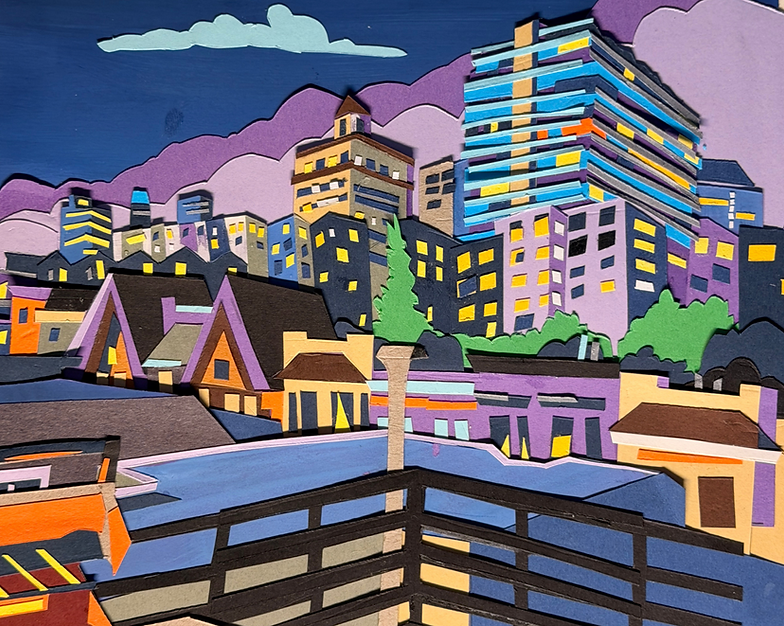
So with all of the difficulties that San Francisco poses—its extravagant housing costs, an AI-dominated economy, the looming fear of Trump-era facism—why do artists stay? They do so, they say, because, at its core, San Francisco is a city of art. And as Purohit says, the beauty of being a San Franciscan is having a foggy day and knowing you’ll persevere through it.
“I think that’s what’s wonderful about the city,” Panis added, “It embraces creativity in all levels of culture, whether that’s restaurants up to the tech stuff.”
As artists continue to grapple with all of the challenges that come with living in a 21st-century San Francisco, Purohit urges residents to engage with all the work still being produced work, whether that’s attending gallery exhibitions or buying a $5 cityscape postcard.
“If you don’t give us support, we’ll have to move to other places,” Purohit said. “It’ll be a really sad day as the number of artists in the city reduces.”