The Sundance Film Festival received over 16,201 submissions for their final year in Park City, Utah and presented its documentaries categories with just over 35 features. Here is a mostly spoiler-free look at my favorites. With the announcement that the 2027 festival will take place in Boulder, Colorado, I must state that this year’s edition was a poignant end of an era. I was honored to experience the festival as originally designed, one final time. Please write these titles down in your diary and keep your eyes glued to your local film festival, art-house theaters, and streaming sites for them throughout the upcoming year. Check out my list of favorite narrative films here.
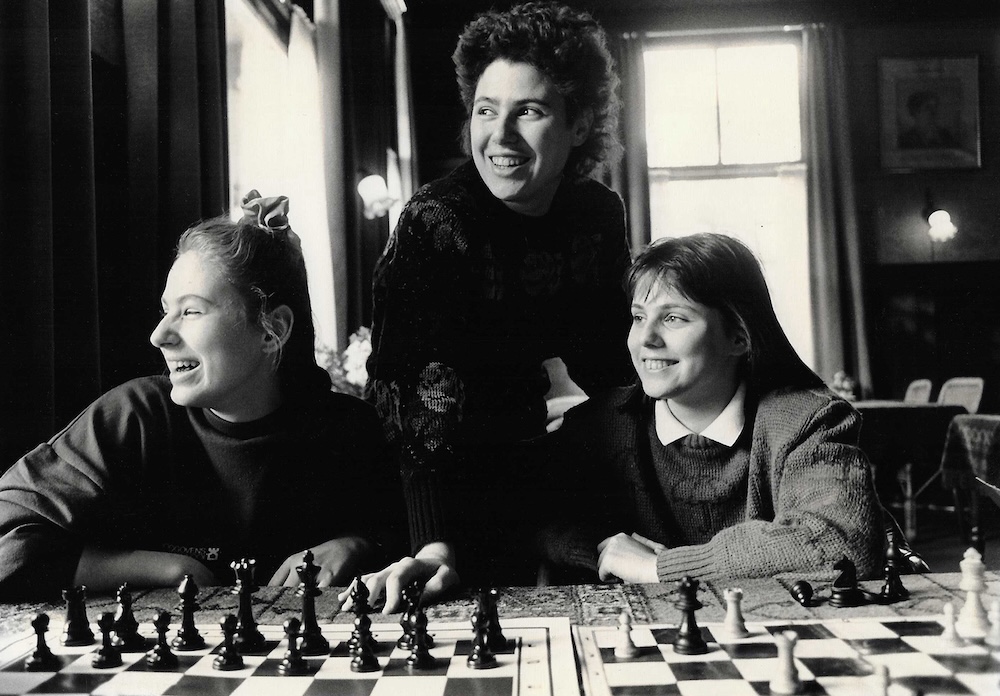
Rory Kennedy’s Queen of Chess (US)
An instant sports classic that follows the incredible life of a 12-year-old Hungarian named Judit Polgárn. Her dreams of competing against men at international chess tournaments come to a head with a decade-long desire to beat world champion Garry Kasparov. Playing out like a level-headed Marty Supreme for chess players, Polgárn’s remarkable journey, along with her over-bearing father and two chess playing sisters, help make Rory Kennedy’s gripping film one of the year’s most thrilling films. The movie has been acquired by Netflix and is already streaming here.
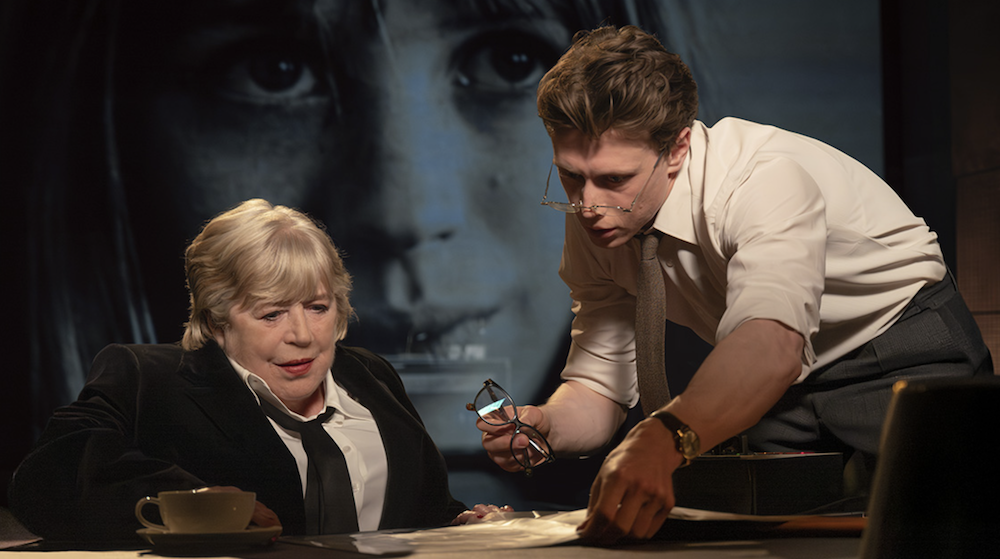
Jane Pollard and Iain Forsyth’s Broken English (UK)
Fresh off a premiere at the Berlin Film Festival, this is a unique portrait of the inimitable singer, songwriter, and icon Marianne Faithfull. Post-modernly constructed (and with some confusing deep-cut references) the film follows legendary actors Tilda Swinton and George MacKay (of Sam Mendes’ 1917) as they present a series of fascinating (and sometimes controversial) archival footage to an ailing Marianne Faithfull. About 30 minutes in, the film truly finds its footing, giving Ms. Faithfull free reign to explore how the world has very often misunderstood her. The movie is named after the artist’s defining 1979 comeback album, and musicians Courtney Love, Suki Waterhouse, and Beth Orton perform moving renditions of her songs. Yet nothing will prepare you for Ms. Faithfull’s own finale, performed with Nick Cave and Warren Ellis, the last recorded performance she ever gave. Brace yourself, there was not a dry eye in the house as the lights came up. The film is scheduled for theaters in the UK and Ireland in March, keep your eyes peeled for a release in the United States.
Judd Apatow and Neil Berkeley’s Paralyzed by Hope: The Maria Bamford Story (US)
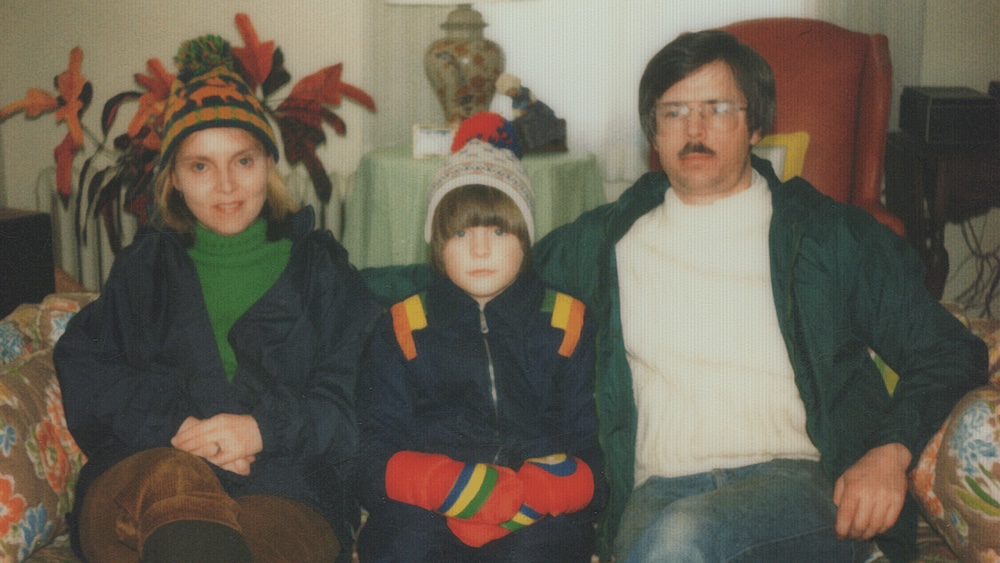
An especially important tale for anyone unfamiliar with one of the era’s most definitional comedic voices. For more than 20 years, Maria Bamford has been baffling audiences with an unending array of surreal characters combined with the harsh truths about (her own) mental illness. Co-directors Judd Apatow and Neil Berkeley trace her path, from her childhood in Duluth, to doing comedy shows in college, to becoming many modern comedians’ favorite comedian. (In fact, Judd Apatow’s ambition to make this film stems from a classic Bamford joke. See movie to find out.) Recommended at the highest level. The film is seeking distribution in the United States.
Sam Green’s The Oldest Person in the World (US)
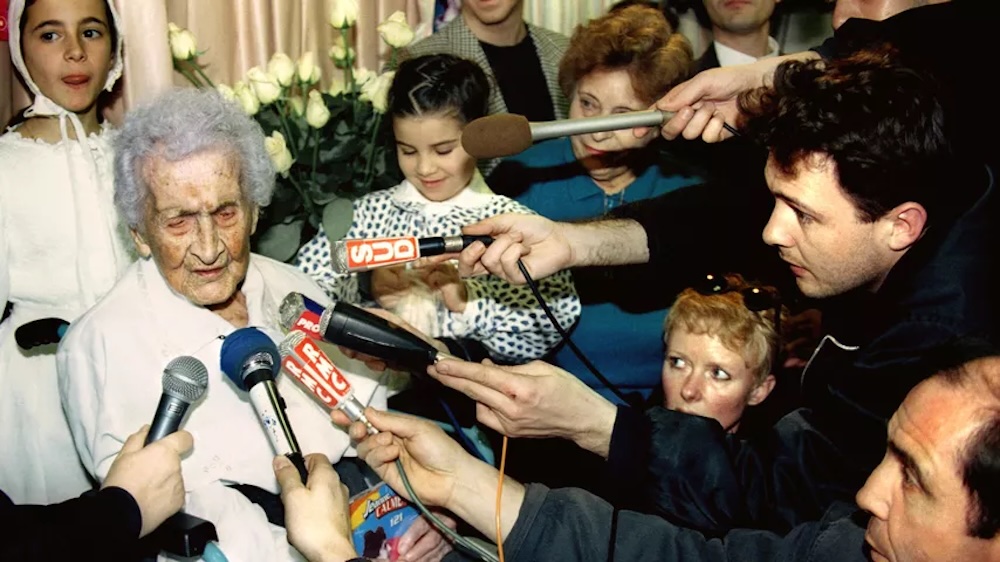
This film had my head and heart spinning for days, and follows the Bay Area filmmaker as he documents his world-spanning, 10-year obsession of tracking down and interviewing each new “oldest person on the planet”. Sam Green has had 12 (of his 24) films premiere at Sundance over the past three decades, including The Weather Underground, which was nominated for the Best Documentary Oscar in 2004. It’s Green’s own existential path that brings genuine food for thought. A major head’s-up to anyone attending this year’s SXSW Film Festival in March—that’s where the film screens next, while it seeks distribution in the United States.
David Shadrack Smith’s Public Access (US)
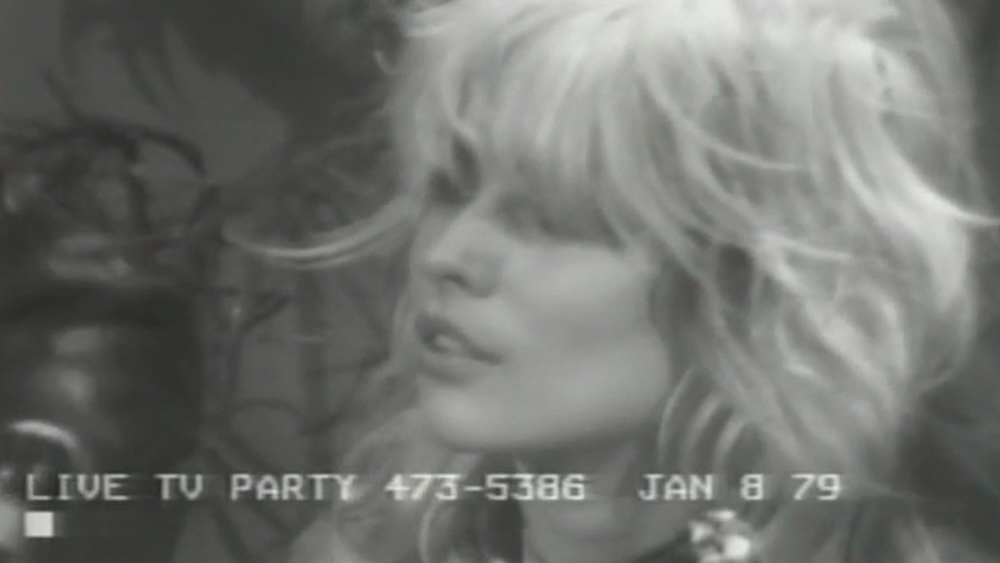
This treasure trove of New York’s underground TV is a free-for-all of obscure DIY performance artists that shifted audience’s expectations in the 1970s and ’80s in regards to the line between highbrow and lowbrow art. It feels more like a 107-minute teaser than a comprehensive look at the gaggle of transgressive shows that aired, but you’ll find yourself grasping for a pencil to write down the names of these memorable misfits. The film is a loving ode to the free speech battleground of shows like Al Goldstein’s sex-positive nudity on “Midnight Blue”, Glenn O’Brien’s underground free-for-all “TV Party” (including rare, in-studio performances by Debbie Harry and Bob Marley) and the insanely ahead-of-its-time LGBTQ series “The Emerald City”. Whatever your desperate heart desires (Coco Colos, anyone?), this loving look back at the unstoppable insanity of the NYC public access channel is a perfect place to visit amid present-day pitfalls. The film is seeking distribution in the United States.
Gabriela Osio Vanden and Jack Weisman’s Nuisance Bear (US/Canada)
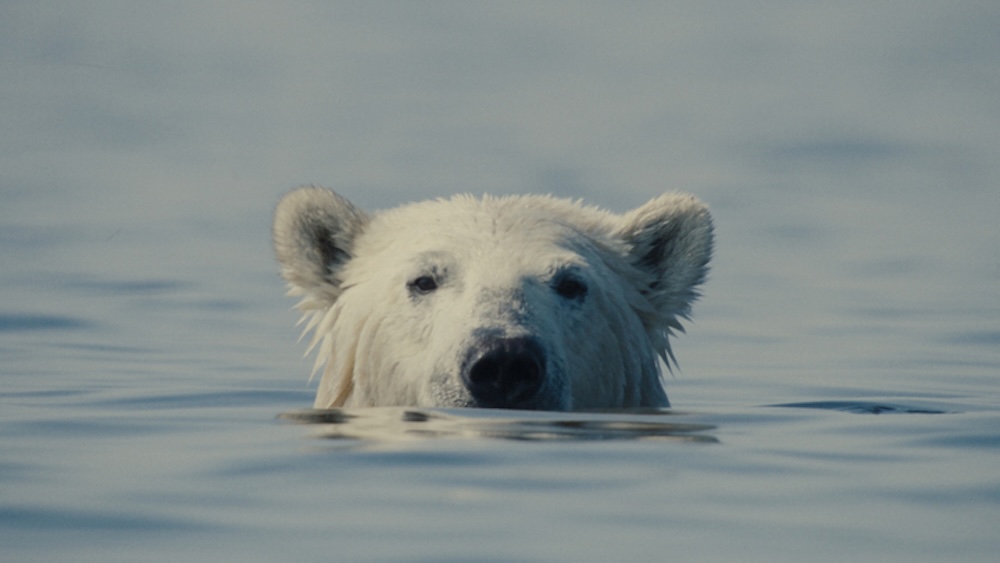
The filmmakers head back to Churchill, Manitoba—affectionately known as the “Polar Bear Capital of the World”—to add to their award-winning 14-minute films. While their 2021 film used no narration to showcase the “fraught coexistence between polar bears and humans,” this 90-minute version incorporates a mysterious Inuit narrator whose insights are as multi-layered as the film’s imagery. It’s the winner of Sundance’s Grand Jury Prize for U.S. Documentary, and A24 is set to release the fascinating film later this year.
Brydie O’Connor’s Barbara Forever (US)
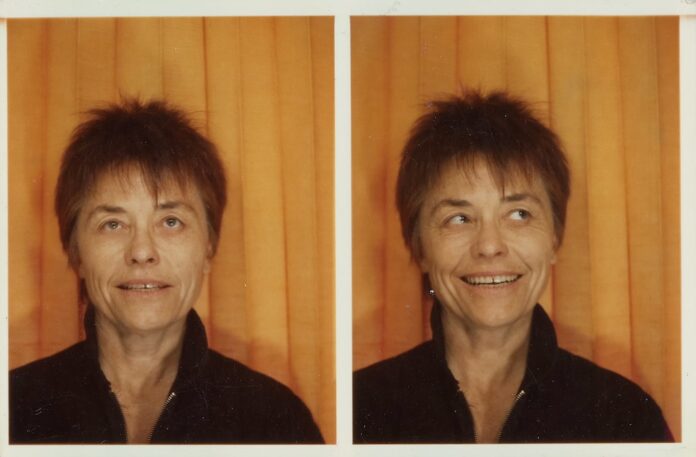
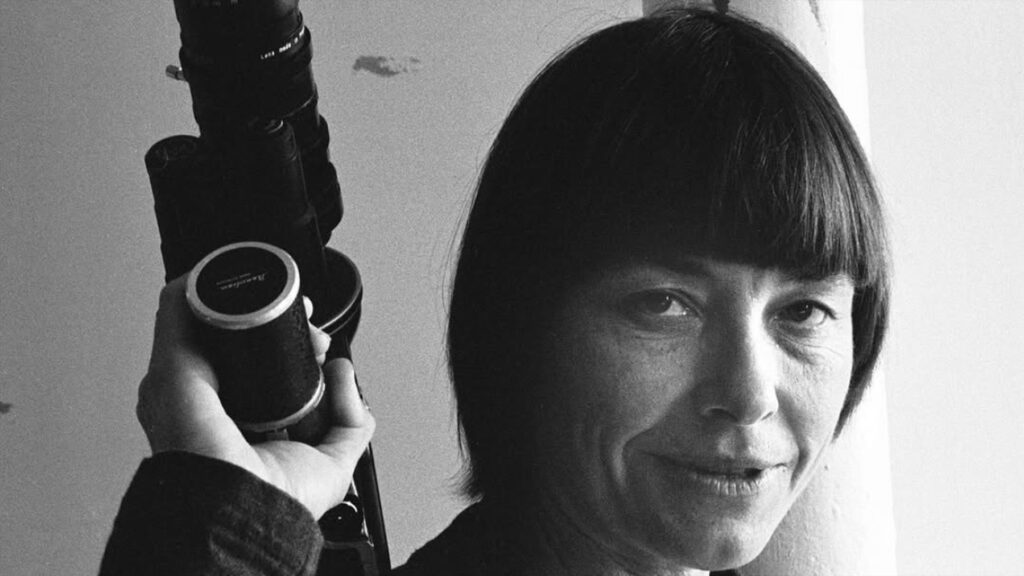
This movie won Sundance’s US Documentary Jonathan Oppenheim Editing Award. It did so by utilizing the immense archive of pioneering (and defiantly proud) lesbian filmmaker, Barbara Hammer, whose work and voice is wonderfully interwoven around scenes and snippets of her groundbreaking films, complicated love life, and non-stop creative desires. She paved the road for all kinds of filmmaker to embrace every part of themself, on and off-camera. This account of one of experimental cinema’s greatest voices will delight both hardcore Hammer fans and the uninitiated alike. It is seeking United States distribution, and is set to screen at the Berlin International Film Festival this month.
William Greaves and David Greaves’ Once Upon a Time in Harlem (US)
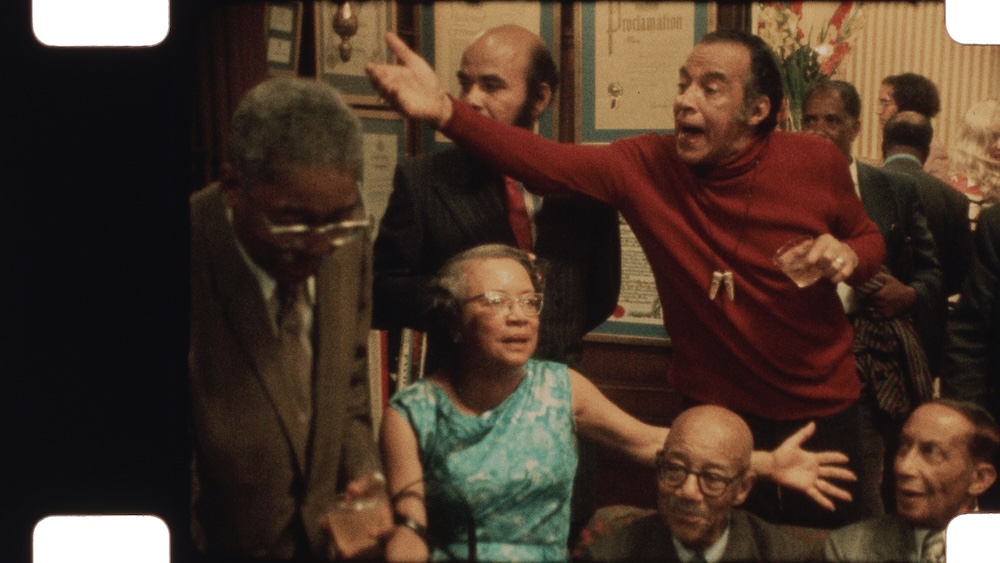
Easily the most exciting cinematic find of 2026, to say nothing of this year’s Sundance Film Festival, where this film had its world premiere. The son of legendary filmmaker William Greaves has brilliantly pieced together an extraordinary film about his father, nearly a decade after his passing. William Greaves studied at the Actor’s Studio alongside Marlon Brando and Shelley Winters before becoming a pioneering documentarian at the high point of the civil rights movement. While making more than 40 films in a 50-year period, William Greaves is primarily known for his mind-melting experimental meta-documentary Symbiopsychotaxiplasm: Take One (1968), which utilized a cinéma vérité aesthetic to purposely confuse the audience as to what was real and what wasn’t.
Greaves then went on to engineer a project in 1972 that was so monumental that he considered it to be “the most important event he captured on film.” Bringing together a party of every living luminary of the Harlem Renaissance, including musicians, librarians, poets, artists, journalists, actors, photographers, teachers, and critics of the Harlem Renaissance for one full day of shooting at Duke Ellington’s home. Capturing the event with four roaming cameras (one of them being operated by his son David), audiences are swept up into a visionary wave of cinema vérité that allows you to feel as if you’re in the historically vibrant room. I instantly wanted to watch all 100-minutes again as soon as it ended (along with the many hours of outtakes that the director spoke of after the screening.) I will be teaching it in my film classes as soon as NEON (who beat out competing distributors Netflix and Mubi) releases it later this year.