A little melody travels a very long way in locally made movie The Lonely Child, playing the 46th Jewish Film Festival Sat/18 at Castro Theatre and July 29 at Piedmont Theatre (more info here). The film, 10 years in the making, takes its title from “Dos Elnte Kind,” a lullaby written inside the Vilna Ghetto in Lithuania during the Holocaust, depicting the heartbreak of a mother and daughter torn apart by inhumanity and war.
Who’s chasing me — who? /And leaves me no peace? /Oh mother, my mother dear, /Where are you, where? it begins, and spins the harrowing tale of Jewish child hidden away in Poland by a non-Jewish family after her father was murdered, limning her mother’s panic. If it happens some day that a mother you’ll be,/ you must make your children aware of our pain./ How your father and mother suffered under the enemy./ Forget not the past, not for one single day!
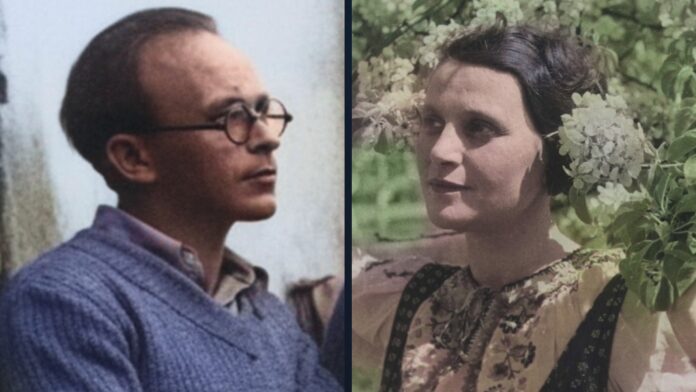
Not quite the subject to lull a child to sleep! And yet the melody, written by composer Yankl Krimski for the daughter of teacher Rachela Pupko-Krinski, endures as a living artifact of the tragedy. (And of an extraordinary history: The song emerged, and thus survived, when a select group of Jewish intellectuals was forced to catalog cultural artifacts destined for the Nazis’ planned “Museum of an Extinct Race.”)
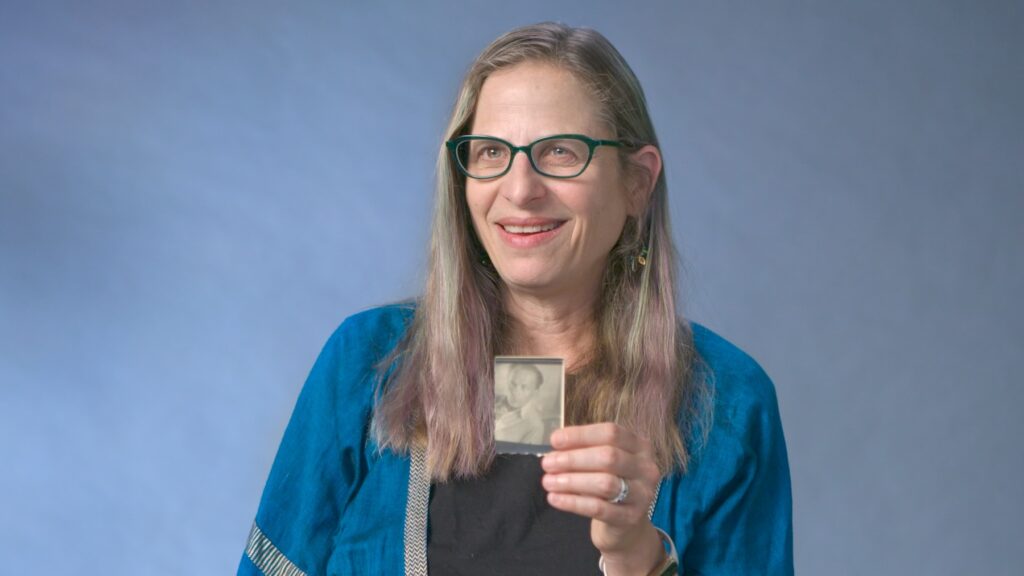
The Lonely Child film—directed, co-written, and co-produced by SF film impresario Marc Smolowitz—tracks the tune over 80 years later. “The song becomes a bridge across generations when journalist [and co-writer and co-producer] Alix Wall—the daughter of the child immortalized in the lullaby—sets out to understand its origins and continued power. Her search leads her to musicians, scholars, archivists, and Holocaust descendants around the world who continue to carry the song forward through performance, preservation, and memory.”
I asked Smolowitz about how the “Dos Elnte Kind” resonates today—including in his own family history—and the importance of telling its story now.
48 HILLS Some people may be intrigued by the idea of basing an entire film on a song that lasts only two and a half minutes. Can you tell me how the power of the “Dos Elnte Kind” opened such a world of history and emotion to fill a documentary?
MARC SMOLOWITZ A song can be very short and still offer a window onto an entire world. Songs also live on long after their creators and can touch people’s lives in unexpected ways.
“Dos Elnte Kind” lasts only about two and a half minutes, but inside it are a mother, a daughter, a forced separation, a hidden child, a brutal war, acts of courageous cultural resistance, and an expression of love created in the midst of unimaginable destruction. It asks a question that travels across generations: How do we protect a child, a memory, or a culture when the world is trying to destroy all three?
The song was written inside the Vilna Ghetto by the Yiddish poet and cultural resistance fighter Shmerke Kaczerginski. It was inspired by Alix Wall’s grandmother, Rachela, and her young daughter Sarah, Alix’s mother, who was hidden outside the ghetto during the war.
What moved me was not only the song’s history, but everything it has carried with it since. It survived the Holocaust, crossed languages and borders, passed among musicians, and remained embedded, somewhat secretly, within one family’s emotional life. When Sarah asked that the song be sung at her funeral in 2002, a journey began for Alix, both as a daughter and as a journalist, that has brought us all the way to the premiere of The Lonely Child.
There are, of course, many stories about the Holocaust. “Dos Elnte Kind” became Alix’s unique frame for investigating her family history in ways that I do not think even she could have predicted when we began this project.
Our tagline comes directly from the song: “Forget not the past, not for one single day.” For me, that is a universal clarion call. The song emerges from a specific Jewish history, and that specificity must always be honored. But the lyrics themselves never name the Holocaust, a particular war, or even a particular kind of child. They leave space for listeners to bring their own histories, losses, fears, and hopes to the song.
That openness is one reason “Dos Elnte Kind” spoke so powerfully to the diverse musicians who interpret the song in our film. Each artist found something personal within the same words and melody, and I believe audiences will do the same.
The love and terror inside the song can speak to any parent or child facing war, persecution, separation, displacement, illness, or profound loss. Every endangered child is someone’s entire world. The lullaby at the heart of The Lonely Child asks us to remember that, but it does not tell us what to think. It invites us to listen.
48 HILLS Is there any connection to your own personal or family history?
MARC SMOLOWITZ Like Alix, my mother was also a hidden child in Poland during the Holocaust. My grandparents were survivors, and I grew up in New York, New Jersey, and Los Angeles in a home where Yiddish language and culture were part of everyday life. My grandparents spoke openly about the war and about the 18 siblings they had lost during the Holocaust. It was never an abstract historical event in our household. It was a deep and powerful part of the emotional architecture of our family.
Both of my parents died in 2013, only 11 days apart. In the aftermath of that tremendous loss, I found myself thinking deeply about what happens when the people who carried these histories are suddenly gone. What becomes our responsibility as their children? How do we preserve memory without becoming trapped by trauma? How do we make those stories meaningful to people who did not live through them?
I believe those were many of the same questions Alix was asking after the deaths of her mother and grandparents. In fact, every child or grandchild of survivors faces these questions in their own way.
When Alix eventually told me the unfolding story of “Dos Elnte Kind,” and how the song had unexpectedly reentered her life after her mother and grandparents passed away, I felt chills. I somehow viscerally knew in my heart and bones that I was the right person to direct The Lonely Child.
I never knew the specific details of the family who saved my mother during the Holocaust. In a way, Alix’s family story allowed me to explore something about my own experience that has always come with far fewer details. The gift of her story is that it is so richly documented, which gave me an extraordinary amount to work with as a filmmaker.
The other great gift was having Alix as a living, breathing collaborator. I had someone with whom I could share this journey, and together we could find ways to be brave.
Our shared experience created a foundation of enormous trust, and that trust has been deeply healing for both of us. Neither Alix nor I have children, so in some ways this film has become a kind of shared legacy: something tangible and beautiful that we have made together and can now carry forward into the world.
For me, The Lonely Child is also an offering made in honor of my mother and grandparents, and of the countless members of my extended family who were murdered by the Nazis.
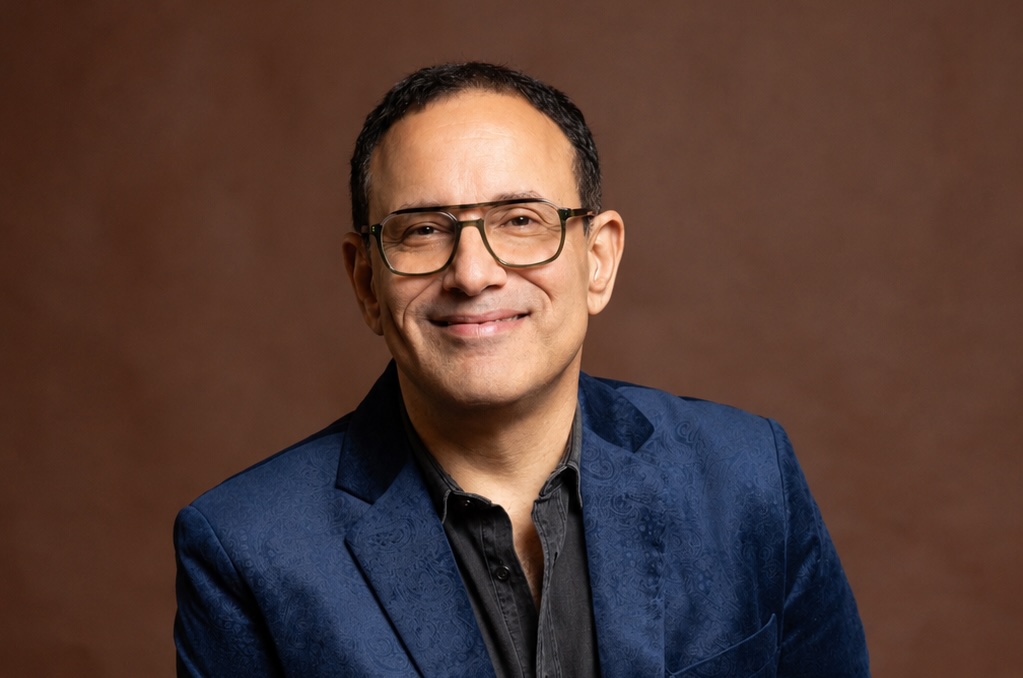
48 HILLS Finally, what do you think the importance of telling this story is now, in this roiling day and age?
MARC SMOLOWITZ We are entering what is often called the post-survivor era. The people who witnessed the Holocaust firsthand are disappearing, and the responsibility for carrying these histories is passing to their children, grandchildren, artists, storytellers, teachers, historians, and communities.
The challenge is no longer only to preserve the facts. It is to transmit the emotional and moral meaning of what happened. What becomes of history when there is no one left to testify to their actual lived experience of atrocity? How does memory evolve? Who speaks? Who is held accountable? What kind of future do we shape from what we inherit?
We are also living at a time when public conversation can become intensely polarized, and when human suffering is too often reduced to arguments, categories, or competing narratives. I do not believe that honoring one history requires us to diminish another. Nor do I believe that every tragedy should be collapsed into a single analogy.
The Holocaust has a specific Jewish history that must be understood on its own terms. At the same time, the moral cry inside “Dos Elnte Kind” is universal. Every child facing violence, persecution, separation, displacement, illness, or loss deserves safety, dignity, remembrance, and a future.
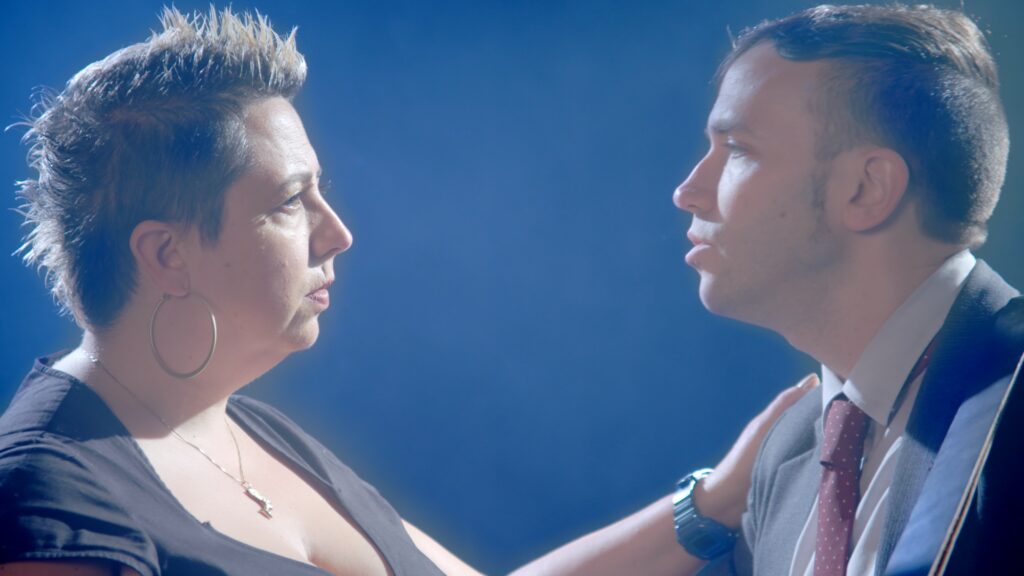
That is one reason it feels so meaningful to tell this story through a song. The Lonely Child is held together by a beautiful range of musical performances and interpretations of “Dos Elnte Kind” by artists of different ages, backgrounds, and traditions. Each artist enters the song in a different way and discovers something new inside the same words and melody.
The lyrics never dictate a single meaning. They do not specify a particular war or tell us exactly how to interpret the lonely child at their center. Instead, they create room for listeners to bring their own memories, experiences, and emotional associations to the song. I want the film to extend that same trust to its audience.
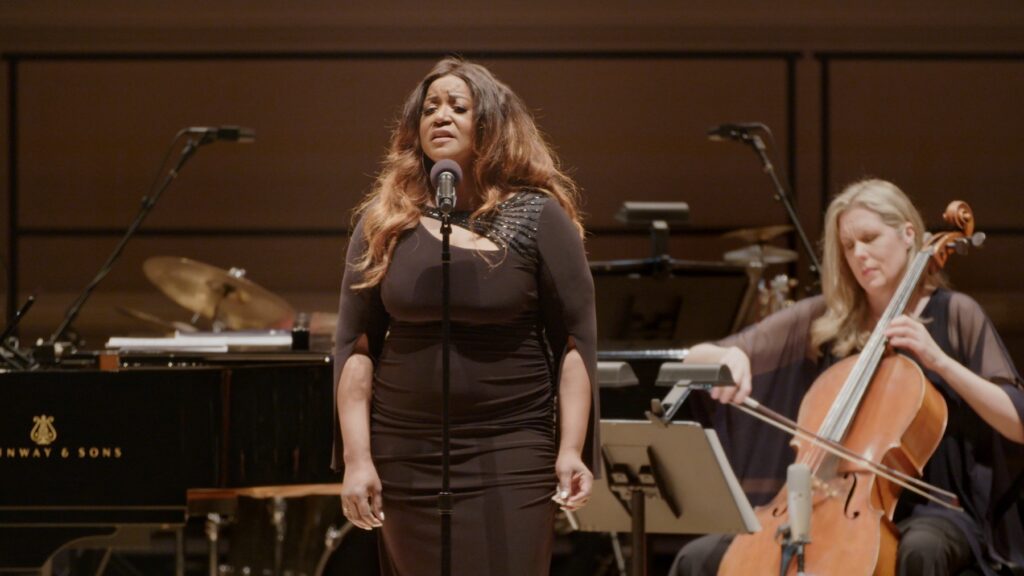
Music encourages us to listen differently. It can reach people emotionally before they have decided what they think, and it can create space for empathy when ordinary conversation has become difficult. I have always been a filmmaker who centers emotion as a way of approaching difficult truths. My hope is that the music invites audiences to lean in rather than turn away.
I also hope The Lonely Child can offer a kind of storytelling refuge: a space for healing, remembrance, and supportive but uncomfortable conversations. No single film can resolve the enormous moral crises of our moment. But I have tried to make something that holds space for complexity and nuance, and that draws people toward one another rather than pushing them farther apart.
Again, our tagline is “Forget not the past, not for one single day.” That is not merely an instruction to remember the Holocaust. It is a call to remain awake to suffering, to resist dehumanization, and to recognize the humanity of children and families everywhere.
For me, the film is both an act of remembrance and an act of creative reclamation. By allowing this one song to be interpreted and carried forward by many different voices, The Lonely Child asks what we inherit, what we choose to preserve, and what we will pass on. It is an honor for me to bring this song and this film into the world.
THE LONELY CHILD plays the 46th Jewish Film Festival Sat/18 at Castro Theatre, SF, and July 29 at Piedmont Theatre, Oakland. More info here.