There are two versions of San Francisco nightlife happening right now.
One arrives with massive LED walls, touring legends, corporate infrastructure, and enough marketing power to flood your Instagram feed before you have a moment to think. The other is built through local collectives, underground sounds, word of mouth, community trust, and people trying to keep culture alive in a city that makes building almost anything difficult to sustain.
This past weekend, I experienced both.
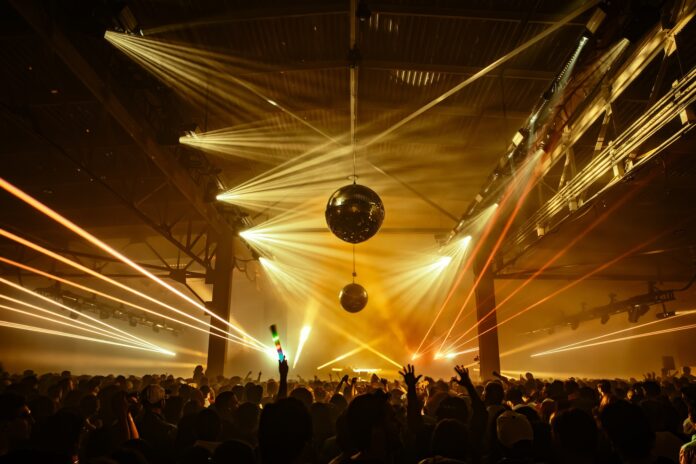
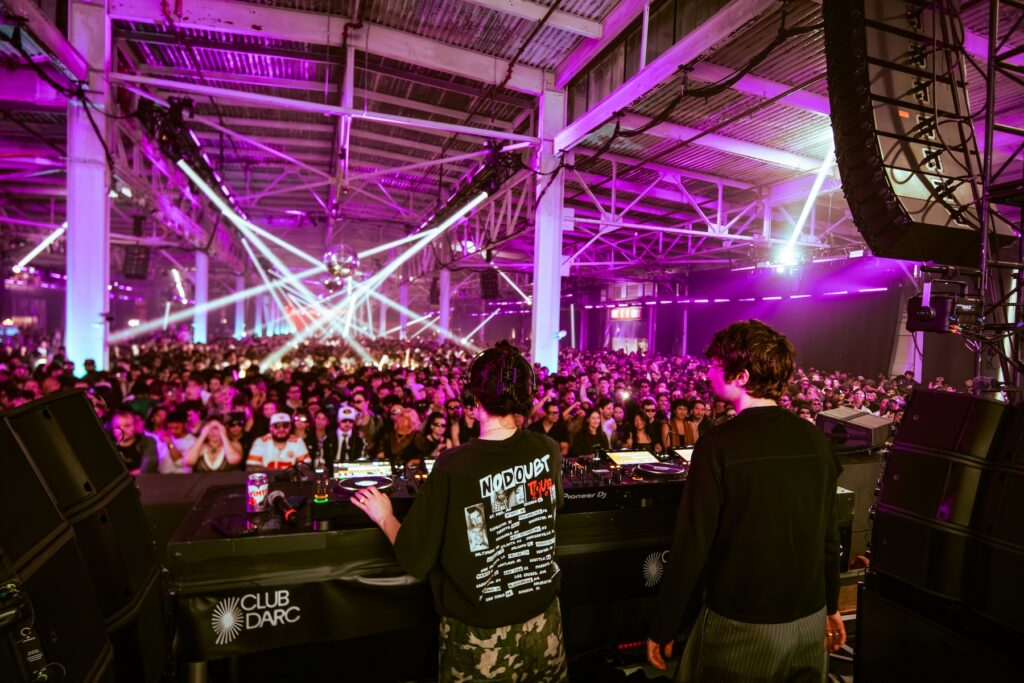
Last Saturday, LA-based concert promotion giant Goldenvoice closed out Club Darc’s inaugural season with Underworld, Mall Grab b2b Effy, and a DJ set from The Dare. It was a stacked finale at the huge, repurposed warehouse on Pier 48: a mix of legacy, hype and big room energy designed to send the party series out with a bang.
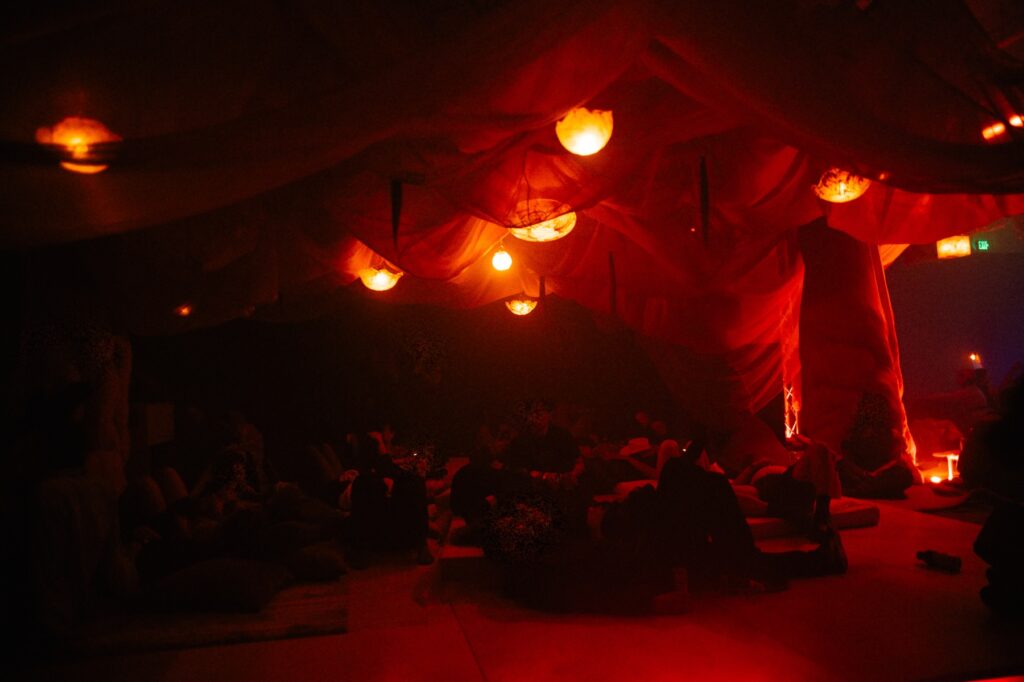
Just two miles away, the four-day Parameter Fest was operating on a different wavelength entirely. This was local party crew Parameter’s biggest event yet, a four-day festival across various venues, including taking over cavernous former concert hall and car dealership SVN West for Friday and Saturday night until 6am, with a lineup that felt wider, darker, more local, and more rooted in the underground.
And truthfully, both were fun, but in different ways.
This comparison, for me, is worth sitting with. The easy version of this piece would be to turn Club Darc into a corporate villain and Parameter into the pure underground hero. But that would be too clean, and not very honest. I had a good time at Club Darc, a lot of people did. The space had energy, and people grooved. Underworld, who have been around for almost 40 years, are legends for a reason. Mall Grab and Effy brought heat. The Dare’s DJ set was surprisingly heavy and clearly knew how to make people move.
But having fun at something does not mean you stop noticing the machinery looming over it.
Club Darc and the corporate rave machine
The crowd at Club Darc was interesting. There were frat bros, older ravers, casual fans, people who came because Underworld is one of those duos that continues to get better and better, and people who seemed like they were there just because Club Darc was the place to be that weekend, and had the money to splurge. (Tickets were $65-$160 for the night, 7pm-2am.)
It was a completely different clientele from Parameter. Louder, more polished, mixed in intention. Some people were there for the performers. Some were there for the party. Some were probably there because a big corporate rave gives you an experience that feels underground without actually needing to know where the underground is.
That’s not necessarily a bad thing; big events can open doors. They create an entry point into dance music for those who might not find their way into the smaller rooms first. They can create real moments of energy and connection at a massive scale. And overall, Club Darc did exactly that.
The production was indeed massive. Goldenvoice cleaned up their sound problems from previous shows. The lighting felt right. Disco balls were everywhere. It felt like walking into a fully engineered environment designed to flood the senses with a good experience.
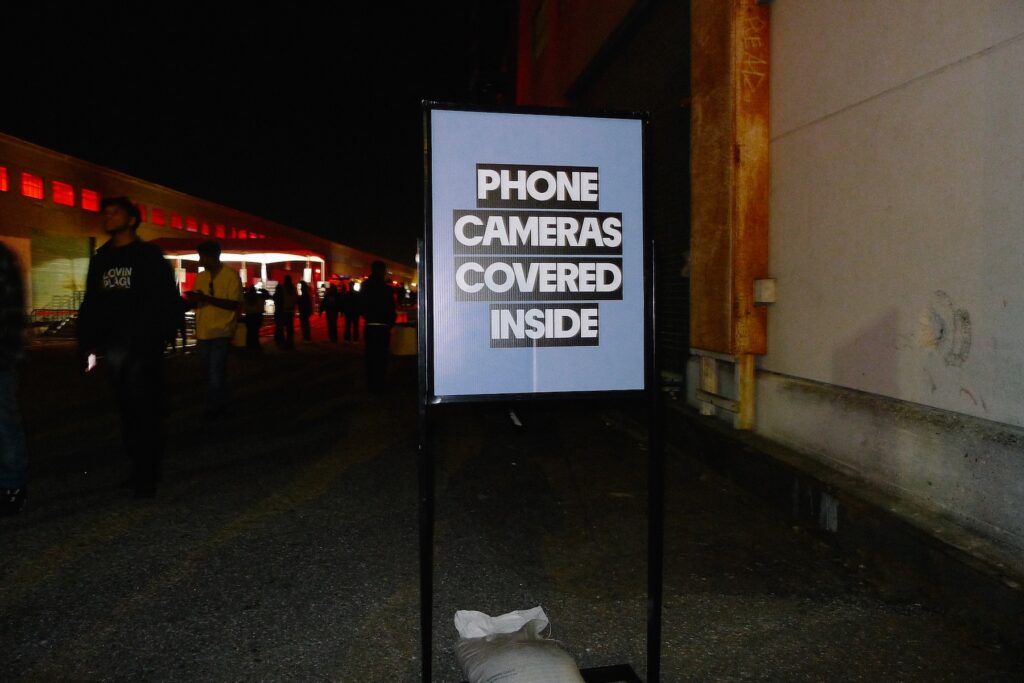
But the strangest and maybe funniest detail of the night was the phone camera sticker. At the entrance, staff covered phone cameras with stickers, a no-photo policy borrowed from clubs in Berlin, originally meant to protect privacy, prevent people from being filmed without consent, and preserve the feeling that what happens inside the club stays inside the club. I wrote about this policy at Fred Again..’s USB-002 tour stop at Cow Palace last year, and bigger dance events have increasingly implemented it.
But there was also irony flying right overhead. Drones, recording the event, probably for later social media packaging. It made me think: What exactly are we protecting at a Goldenvoice event, when their drones simply zoom past, filming content for the same corporate machine that’s asking attendees not to film?
Yet at Club Darc, the camera stickers kept the crowd from turning into the sea of phones that we usually see at large-scale shows. Even though plenty of people eventually ripped the stickers off, the overall behavior changed. People were dancing more, jumping more, looking around more.
The energy was better because of it. The sticker created presence, but it also felt like presence by enforcement. Intimacy became another feature in the product. A rule borrowed from underground spaces was applied to a corporate rave, where the room was still being packaged, filmed, marketed, and sold back to us from above.
For me, it doesn’t erase the fun, and it does serve a purpose, but the paradox is hilarious.
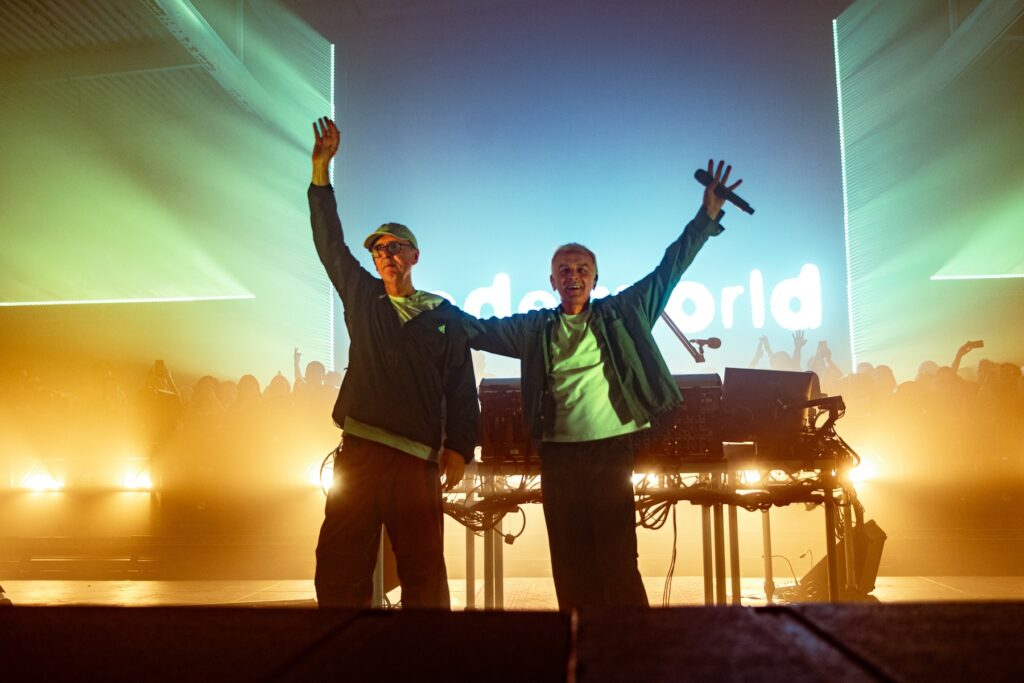
Because Club Darc was fun. If your baseline for a night out is dancing hard, hearing massive headliners, seeing and being seen: Club Darc delivered. If your baseline is purity, independence, and resisting corporate control over culture, then the whole concept probably felt harder to swallow.
I fall somewhere in the middle. I can have an incredible time at events like Club Darc, Outsidelands, and Portola Music Festival, and still feel uneasy and critique the conditions that make these events so dominant. That contradiction is the story.
The other obvious contradiction was representation. Club Darc’s final stretch of headliners had big-name pull that sells tickets (Disco Dom, Chris Lake, Kaskade), but it lacked the diversity that felt noticeable, especially considering the black and queer origins of rave culture.
When corporate events have that much reach, that much money, and that much ability to define what “big” dance culture looks like, the lineup choices mean a great deal. These lineups shape which version of nightlife gets amplified. Something which became even clearer after going to Parameter.
Parameter and the underground at scale
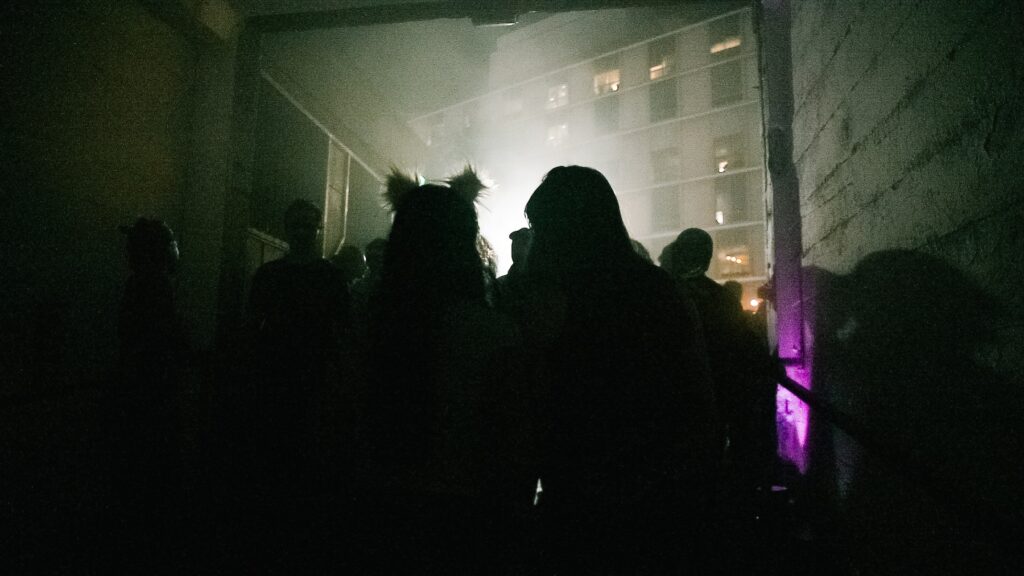
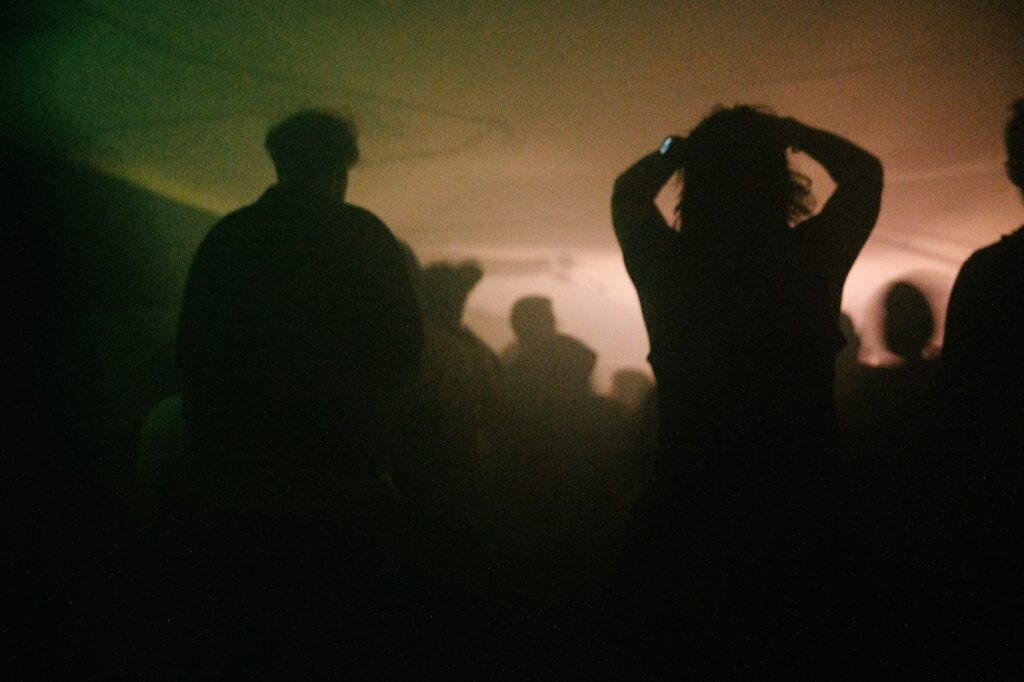
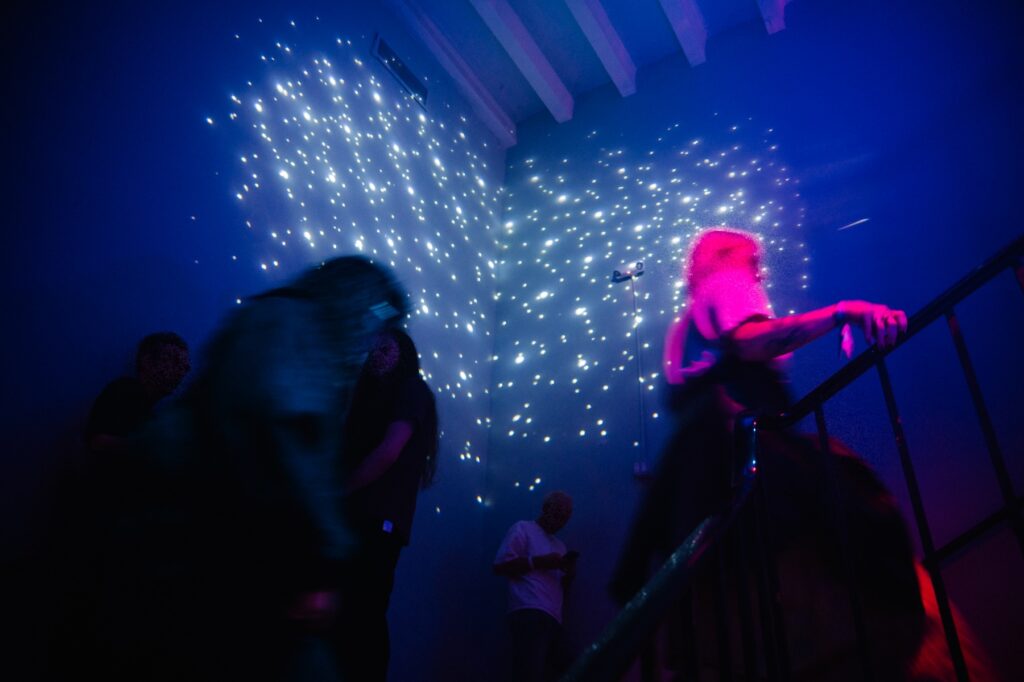
Parameter felt different immediately. Darker. Sweatier. Less interested in being seen. There were no 100-foot LED screens to draw your eye. No giant spectacle demanding constant attention. Just enough light to see where you were walking, enough darkness to be free and dance however you wanted.
The music moved differently, too: techno, breaks, house, jungle, ambient, and experimental. It felt rawer, less predictable. The night had texture. It did not feel like one cleanly packaged product of dance music. It felt like a breathing ecosystem, with different tempos, moods, and subcultures blending into each other.
The sets that pulled me in the most were D. Dan, upsammy, and aya, each giving Parameter a different feel. D. Dan brought raw, driving techn; upsammy stayed deep in the pocket for two hours, blending jungle, hardgroove, techno, and breaks; aya pushed the night into more experimental territory with heavy bass textures and haunting vocals. Together, they captured what made Parameter feel so alive: hard, hypnotic and wide open.
The crowd was also much more diverse, not just racially, but aesthetically and in experience. Young people, older folks, queer folks, alt folks, people dressed with more imagination, and people who did not care for fashion. It felt lived-in and real, instead of pulled from a mood board. You probably were not going to run into a pack of Marina frat boys at Parameter, and knowing that changed the feeling of the space. (Tickets were $65-$75 per night to $160-$180 for four-day festival pass, including weekend nights that ran 9pm-6am.)
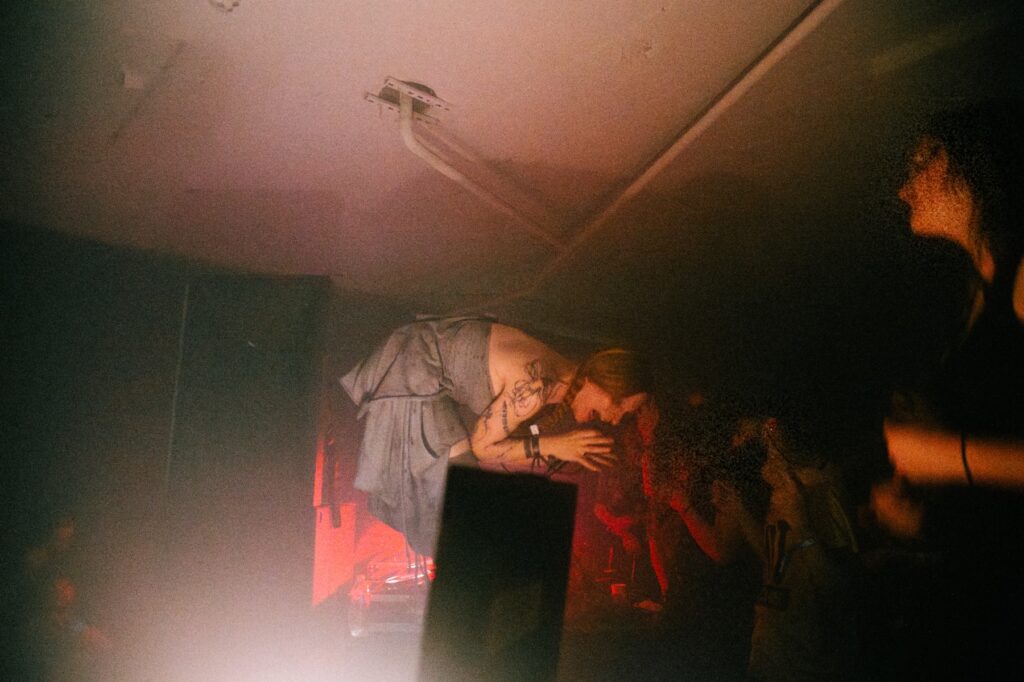
At Club Darc, people were present because the rules enforced it. At Parameter, nobody covered my phone camera. Nobody needed to; people simply were not recording. That was one of the most important differences of the weekend. Everyone at Parameter understood that some spaces are meant to be experienced rather than documented. There were no long conversations on the dance floor, and no constant glow of tiny screens.
People were just dancing.
That sounds simple, but in the big year of 2026, it feels radical.
By building its crowd organically over the past 10 years, Parameter achieved that without having to simulate underground culture from the outside. That’s why this party felt important. Not because it was small or niche. In fact, the opposite. This was the biggest Parameter has ever been, operating out of a huge venue and proving that independent nightlife in San Francisco can grow without losing what made people excited about it in the first place.
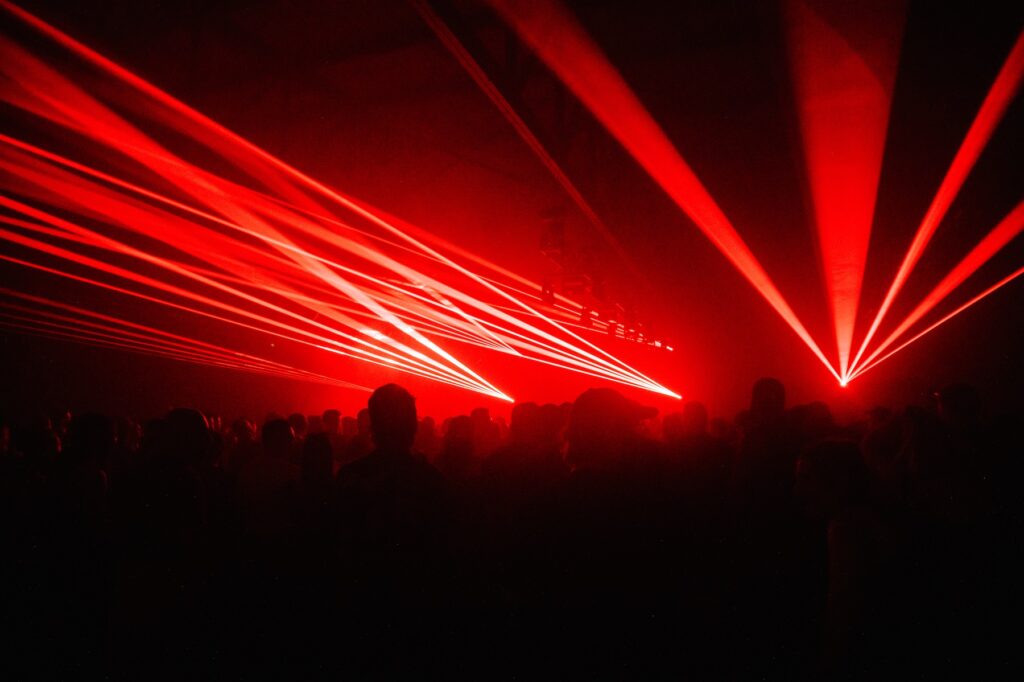
Underground scenes are often talked about as if they have only two options: Stay tiny and culturally intact, or grow and sell out. Parameter revealed another possibility, one that ironically dates back to the earliest days of rave, when underground parties took over warehouses and power plants and even old car dealerships, without the need for corporate backing. Scale does not necessarily mean surrendering to big money. A bigger venue does not have to flatten the culture inside it.
Of course, independent nightlife is not magically free from problems. Local scenes can be cliquey. They can burn people out. They can rely on unpaid labor. They can become inaccessible in their own ways. Anyone who has spent enough time in any space free from corporate hands knows that.
But Parameter still felt like a hopeful way forward. It showed what happens when growth is led by people who understand the culture, rather than by people trying to extract from it.
So what happens when culture has to compete with capital?
That question hung over me as I bounced between events. What happens when independent culture has to compete with institutions that have infinitely more capital, reach, infrastructure, and political support behind them? (Insert Daniel Lurie saying “Let’s Go, San Francisco” at a downtown block party here.)
That doesn’t apply just to nightlife and these two clubs; this is San Francisco. All over the city, the same problem keeps showing up. Local culture gets celebrated in branding campaigns while the people who create it struggle to stay. Independent venues fight to stay open while corporate-backed entertainment has the resources to scale. Neighborhood identity and culture get turned into an aesthetic. Art, music, food, nightlife, and community get packaged into experiences that are easier to market than to sustain.
And yet, the answer can’t be as simple as rejecting every big event outright. Club Darc was not lifeless. It was packed and energetic, with moments that were genuinely alive. People were not dancing because they love and celebrate our corporate overlords and shareholders. People were dancing because they needed release.
People need music. People need places to put themselves when they feel alienated and overworked. That desire is real, even when the structure around it is corporate. Parameter revealed a politically important truth. The community we seek out doesn’t have to sell out, it doesn’t have to berate you with ads of the incoming Toyotathon. It can be created completely by the people who make the culture. To me, that’s inspiring.
San Francisco nightlife is often framed as either dying, being sanitized, or getting absorbed by larger corporate forces. There is absolutely truth in that. The city has lost venues. Independent artists are constantly fighting for space. The cost of doing anything here is absurd. Private interests keep finding new ways to shape public life, and culture often becomes one of the first things they monetize.
But Parameter’s biggest year yet pushed back against that doom.
That’s the part I keep coming back to. Club Darc and other big events make me understand why corporate nightlife keeps winning people over. Parameter made me believe San Francisco’s independent spaces still have another path forward. A city can have spectacle. It can have massive events, legacy acts, polished production, and big nights where thousands of people lose their minds together.
A city also needs spaces that feel local, where the culture grows from the people who create it. Spaces where nobody has to sticker your phone because you already know better.
After a weekend inside both worlds, I left feeling more optimistic than expected. San Francisco nightlife does not have to choose between cultural purity and scale. It just has to decide who gets to build the future, who gets to profit from it, and how our culture can grow without being hollowed out in the process.