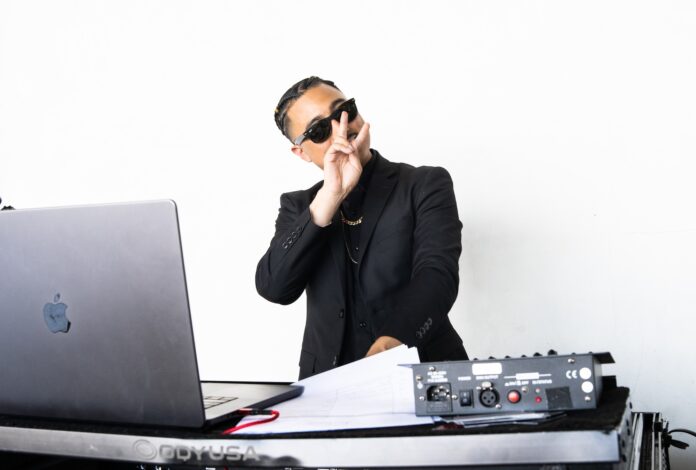
On any given weekend in neighborhoods like SoMa and the Mission, clubs hosting electronic music events often draw lines stretching down the block. Inside, DJs perform to (hopefully) crowded dance floors, providing an essential communal outlet in a city that’s increasingly defined by hustle culture and the struggle for stable employment and housing.
But behind the music, San Francisco’s nightlife is changing in ways that are reshaping which DJs gets booked—and how their value is assigned.
Local DJs, promoters, and venue staff describe a system increasingly dependent upon social media metrics and a growing reliance on established touring artists to guarantee ticket sales. In San Francisco, those trends are compounded by high operating and living costs, with venues continuing to face rising rent, labor, and production expenses while recovering from pandemic-era losses. Together, these factors are determining who gets access to the turntables.
Unfortunately in this equation, local DJs are being left behind.
The aversion to risk from venues and promoters may be understandable. A 2024 report from the National Independent Venue Association details the immense economic footprint of San Francisco’s independent live entertainment and nightlife sector, while laying bare its deep financial vulnerabilities.
According to the study, the city’s independent venues, festivals, and promoters generated approximately $1.4 billion in total economic output in 2024, contributing $980.1 million to California’s GDP. The sector funneled $675.1 million into worker wages and benefits, while yielding $47 million in annual state and local tax revenues.
Yet the data reveals a stark disconnect between cultural value and financial survival: Only 36% of independent stages managed to report a profit in 2024. The rest remain caught in a tight squeeze of soaring production expenses, rising rent, and an uneven post-pandemic recovery.
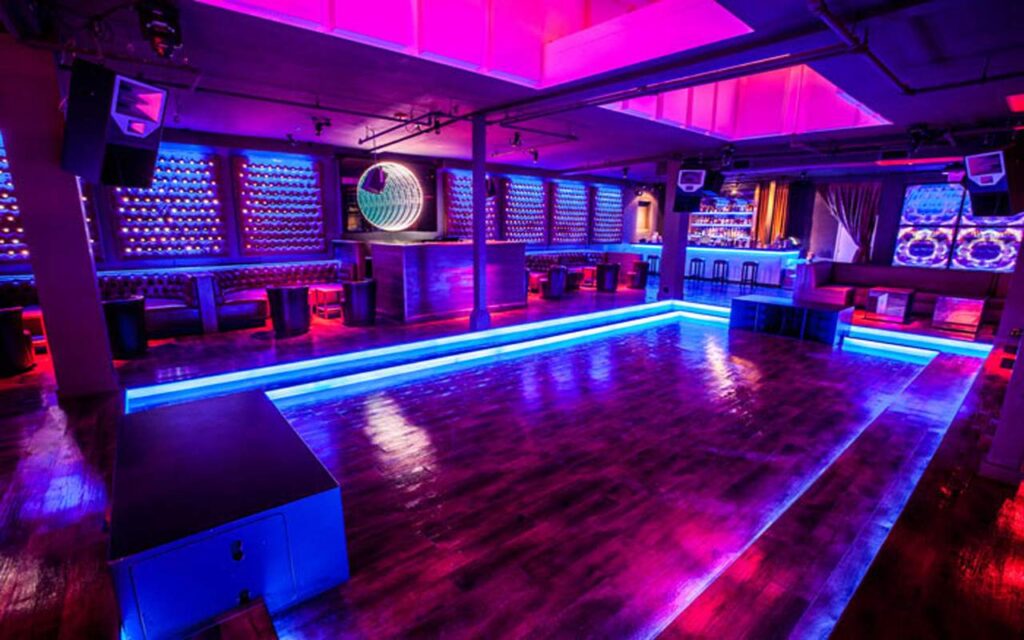
Against that backdrop, booking decisions across the city’s club scene frequently prioritize financial predictability. Peter Doukakis, a booker at Audio nightclub in SoMa, said venues often have limited room for uncertainty.
“You have to book an out-of-town artist, unless it’s a local that you know is a bona fide touring artist who can move the needle,” Doukakis said. “While we book local artists every weekend for support, 95% of the artists that play in the room are touring acts.”
What emerges is less a fixed lineup structure than a filtering process, where weekend programming is shaped around reducing financial risk and prioritizing marketability. For local DJs, that often means opportunities are concentrated in lower-capacity or non-peak slots, where visibility is limited even when they are included on the bill.
“It is a business, and we have to make sure the room is busy,” Doukakis added. “A local crew could bring 50 to 100 friends. When you have a 500-cap venue, if you don’t have 400 people in there, you lose money.”
As a result, many local DJs say consistent club bookings have become hard to secure, pushing them toward smaller venues where overhead is lower but creative control is greater. Dave Hahn, a San Francisco DJ who performs under the name Panderer and helps with management at Public Works, said that shift reflects a narrowing of traditional entry points into the club circuit.
“As far as getting booked, local DJs tend to have to throw their own parties,” Hahn said. “For medium-sized and big-sized clubs, you pretty much have to raise the door prices to guarantee the bar minimum is met, which makes it harder for local DJs to interface with those spaces.”
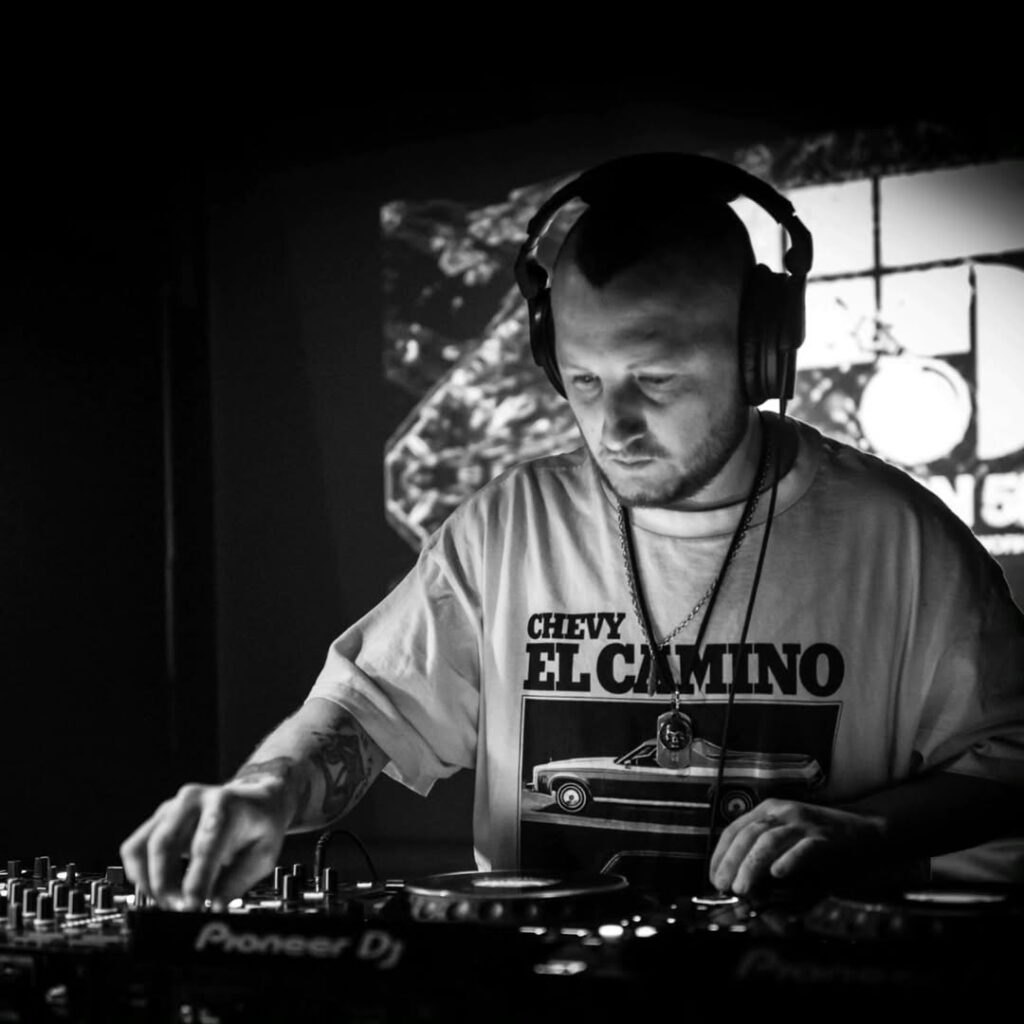
He said another shift is happening even before booking conversations begin: How DJs are evaluated for potential booking.
As electronic music journalist Shawn Reynaldo wrote in First Floor, his widely read newsletter about the techno industry, social media has increasingly become central to how DJs are evaluated and booked, tying visibility and perceived cultural value more directly to online reach and engagement.
Paul Sembrano, a local San Francisco DJ who has performed under the name Paul Stylez since the early 2000s, said he has recently seen online visibility function as booking currency in nightlife scenes. “It’s almost like your resume,” Sembrano said. “The more followers you have, the more engagement you have, the more views you have… promoters and clubs like to see that. They think that the more followers you have, the more business you can bring into the venue.”
He said that represents a shift from earlier eras of the scene, when reputation was built primarily through word-of-mouth and local networks. “Back in the day, it was really just word of mouth,” he said. “Someone would say, ‘I went to a set Paul Stylez played and it was amazing.’ But now you do need social media.”
Hahn said those dynamics contribute to the competitive booking environment where perceived reach can outweigh consistency or local reputation. “It’s genuine inflation, it’s an arms race,” Hahn said. “People oversell a DJ who doesn’t know how to throw a party. He shows up, he gets his money, and he goes home. Meanwhile, local DJs are doing the work and building community.”
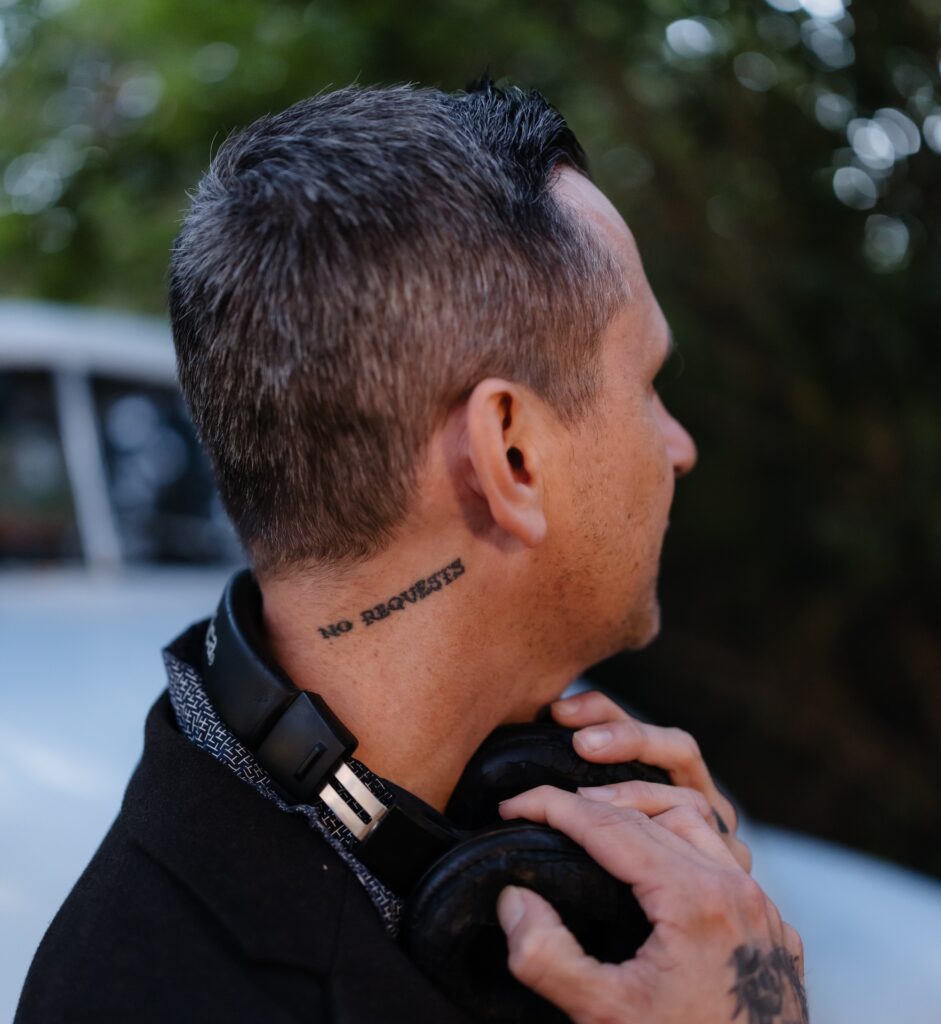
For many artists, that environment has made smaller independent events and venues vital to the city’s homegrown electronic music culture.
Michael Jurado, a local vinyl-focused artist who performs under the name DJ Jurado, said some of the most meaningful experiences in San Francisco nightlife now happen outside the traditional club system altogether. “I truly think those parties [with bigger headliners] are rarely ever good,” Jurado said. “It’s almost like the more you pay, the worse the music and vibe are, in my opinion.”
Jurado said he has increasingly gravitated toward DIY events and independently organized shows where DJs have more freedom to experiment and shape the atmosphere themselves.
“I’ve seen some bullshit taking place at high-price ticketed events,” he said. “Like a DJ who’s just playing a recorded mix and not actually DJing.” In contrast, he said smaller local events often feel more personal and improvisational because artists are building the experience themselves, rather than fitting into a heavily commercialized format.
Across the city, that approach has become progressively visible. Independent DJs and collectives now regularly organize their own lineups, secure nontraditional venues, and promote events through community networks and social media, forming a parallel infrastructure alongside the more established club circuit.
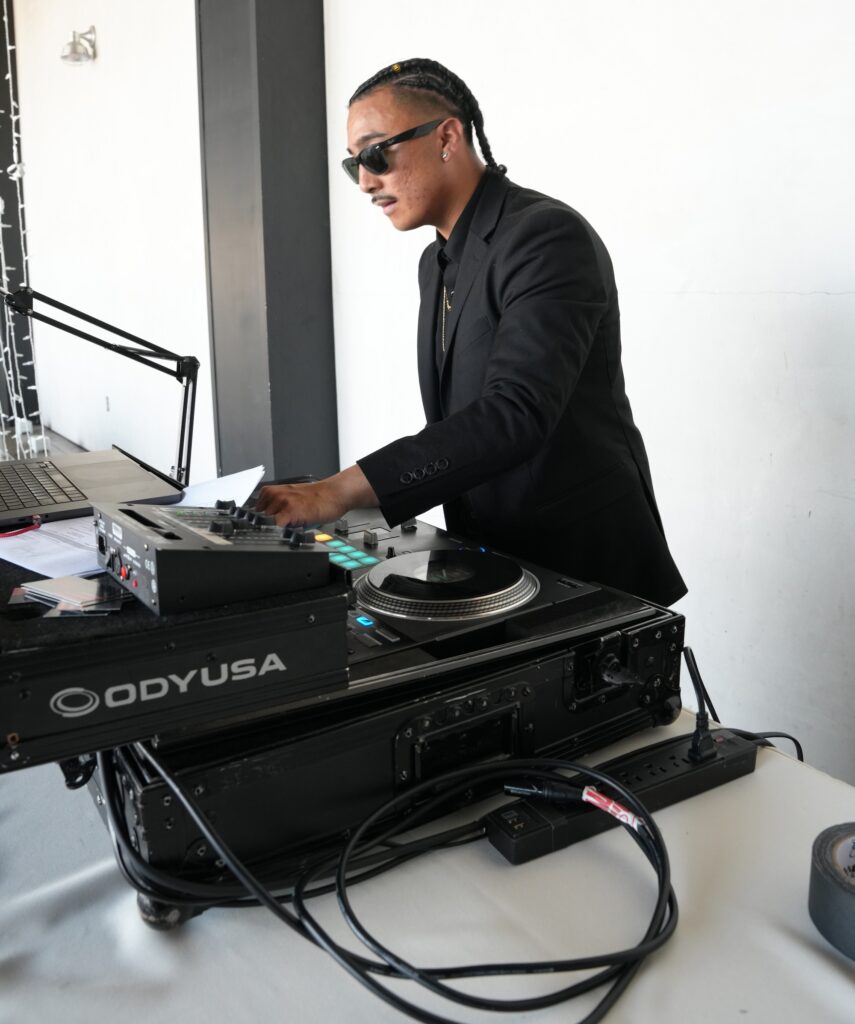
Outside of fully autonomous electronic music shows like house parties, beach gatherings, and informal warehouse events, much of San Francisco’s smaller DJ ecosystem is anchored by a network of mid-size venues that regularly host locally organized nightlife events. Venues like Bar Part Time, El Rio, and The Knockout often serve as entry points for local DJs, while Monarch and Make-Out Room program smaller parties outside the city’s main touring circuit.
Hybrid spaces like Club Waziema—an Ethiopian restaurant by day—regularly shift into informal weekend dance floors, reflecting how much of the city’s electronic music culture now operates through flexible, nontraditional venues rather than formal club programming.
Even under financial pressure, these smaller spaces remain central for many artists, prioritizing experimentation, accessibility, and community over scale. And local collectives like All Ears, founded by DJ Richard Gintowt, connect DJs with opportunities from weddings to late-night parties.
What has emerged is not a single nightlife system, but two overlapping ones: one shaped by touring acts and financial guarantees, the other built through local networks and self-organized parties.
For Hahn, the ongoing shift comes with a clear contrast between sustainability and artistic culture. “I really care about the party and the music,” he said. “It’s about the people and creating something honest.”