I wasn’t paid anything for my vote in San Francisco’s June primary election. But according to one source Congressional candidate Saikat Chakrabarti spent $211 for each vote he received. Scott Wiener spent $61.24 per vote, and Connie Chan spent $25.09, according to Mission Local.
I’m not asking for that $211, or $61.24, or even $25.09 of a candidate’s expenses to go directly to me before I vote.
But I’m wondering if instead of spending so much of that money on consultants, canvassers, mass media advertising and a ton of US postal service mailings, electoral candidates could redirect some of their funds to finance what their voters actually need in San Francisco.
The city could create a “campaign fund” of candidate contributions to support healthcare, public transit, and affordable housing. Instead of spending $211 per vote a candidate might pay a percentage of campaign funds to finance public programs before the election, not just promise to support the programs afterwards.
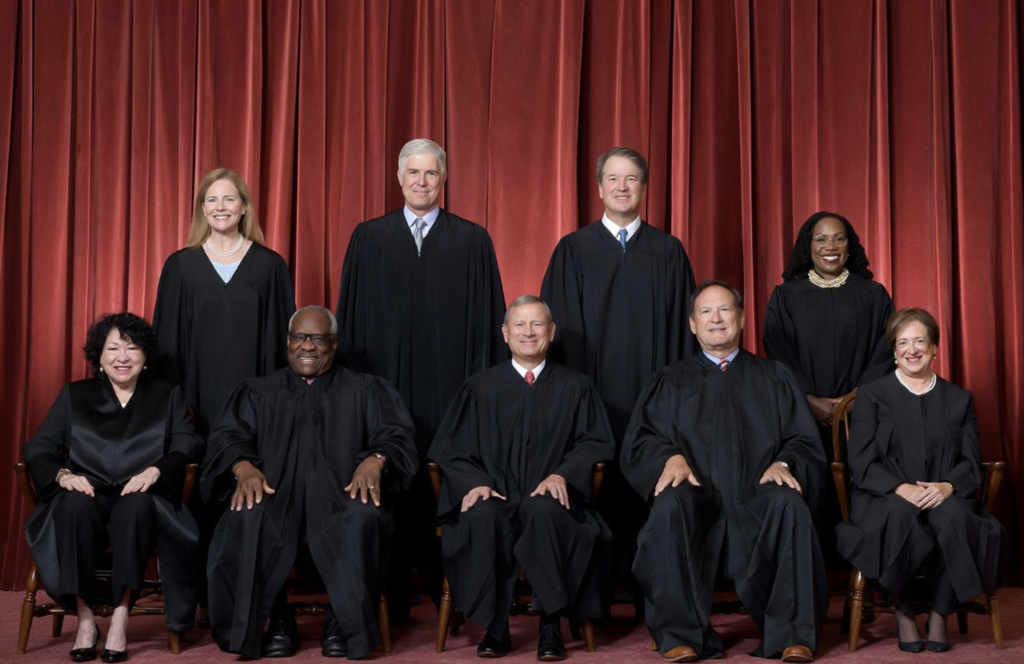
I expect more candidates will be able to afford $211 per vote, or more than that, since the Supreme Court recently struck limits on spending that a political party can coordinate with a candidate. Hundreds of thousands, if not millions, of dollars can be given by wealthy backers to a party, which will then give the money to candidates. There’s going to be a financial flood, and some of that money—call it the Supreme Court’s contribution—could pay for municipal programs before any vote is conducted, if candidates agree to contribute.
I’d like to see the candidates outbid each other. “I’ll give 25 percent of my first ten million in campaign funds to the Supreme Court fund,” says candidate A, “enough to pay for a year of free transportation on the Mission bus line.”
“I have a billionaire backing me who wants me to give 50 percent of his contributions to the fund,” says candidate B, “we’re going to open a free health clinic in San Francisco with his money!”
“Zohran Mamdani isn’t the only one who can make urban life more affordable; the Supreme Court deserves some credit here,” says Justice Kavanaugh.
With this new form of “public financing,” the candidates wouldn’t just promise free mass transit and healthcare for everyone; they’d pay for it before they’re elected.
Thanks to the Supreme Court, San Francisco’s candidates for Congress legally should be able to coordinate with their party and its funders, take millions from Bay area billionaires like Tom Steyer (who vowed to give away most of his wealth anyway), and offer voters some of the progressive agenda benefits unlimited campaign spending could buy if it is spent on public services.
This pre-election voter benefit program will probably be contested by a conservative foundation in a new Supreme Court case. A MAGA legal team will say it’s unfair, illegal, if not communistic, to pay the public for its votes. The party suing might also say it doesn’t want its candidate to have to finance healthcare, affordable housing, or public education before the election—maybe not afterwards, either.
But as Justice Kavanaugh (not my favorite judge, I should note) said in his recent opinion for the Supreme Court’s majority, the only rationale for campaign-finance restrictions is to prevent “quid pro quo” corruption – that is, “contributions in exchange for official action.” Since the proposed program requires no official action in exchange for contributions (no passage of a law, for example, before fund transfers are made), I would expect Kavanaugh and the other conservatives to rule in its favor. Dissenting progressive judges might prefer more public financing of elections; and I wouldn’t oppose that either.
Joel Schechter has written several books on satire. His most recent book is Rogues Gallery. It’s available at Bound Together Books in San Francisco.