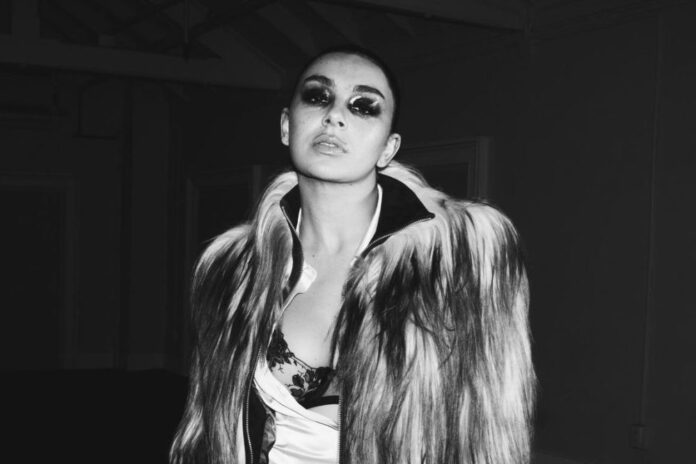
Charli XCX is basically a critic’s pet who blew up to be one of the biggest pop stars on the planet. To those who developed their music taste by snooping around the blogosphere at its peak during the first Obama term, it’s remarkable how far some cult artists have gone. It’s easy, for example, to imagine a world where another artist from the contemporaneous alt-R&B wave, maybe Autre Ne Veut or Vondelpark, ended up getting Super Bowl-level big instead of the Weeknd.
If you’re part of the small sliver of Charli’s fanbase who actually remembers her from her days as a teen ex-raver turned critically acclaimed MySpace striver, Charli’s trajectory seems doubly impressive: half-hearted attempts at mainstream domination like “Boom Clap” and Sucker, followed by a retreat into her experimental and clubwise roots that ended up anticipating the rise of hyperpop nearly three years in advance.
That Charli still stands slightly outside the dead-center mainstream, even after Brat Summer, works to her advantage. She’s the girl at the party who has the secrets to French philosophy and obscure art film unlocked, and even (maybe even especially) if you don’t. Her hauteur in comparison to the average pop star is exactly what makes her interesting.
It seems like a remarkable feat that the Brit would conquer anti-intellectual Trump 2-era America enough to headline Outside Lands on Friday, or to go viral with a buckwild Lollapalooza set last weekend that marked her first major performance behind last month’s Music, Fashion, Film release. Yet there’s a sneaky streak of highbrow posturing snaking through pop culture right now, no doubt the result of much COVID-era consumption of books, movies, and esoteric Wikipedia articles.
The movie-logging app Letterboxd is the perfect microcosm of this trend, driving a new age of cinephilia that might be woefully performative (does anyone really like Straub-Huillet that much?) but at least has the youth digging for alternatives to mass-produced franchise bullshit. Small wonder Charli has been in a bunch of movies lately, starring in her own mockumentary The Moment and art flicks like Erupja and I Want Your Sex while composing original songs for Emerald Fennell’s weepy Gothic riot Wuthering Heights.
The lust for art among young adults coming of age right now is one of the few promising trends in the era of AI, and even if there’s a case to be made that one genuine DIY freak band is worth a thousand “experimental” pop stars, it’s at least worth noting Charli is catering to the part of the brain that craves the daringly pretentious in a way no pop star to take off in the States really has since Gaga.
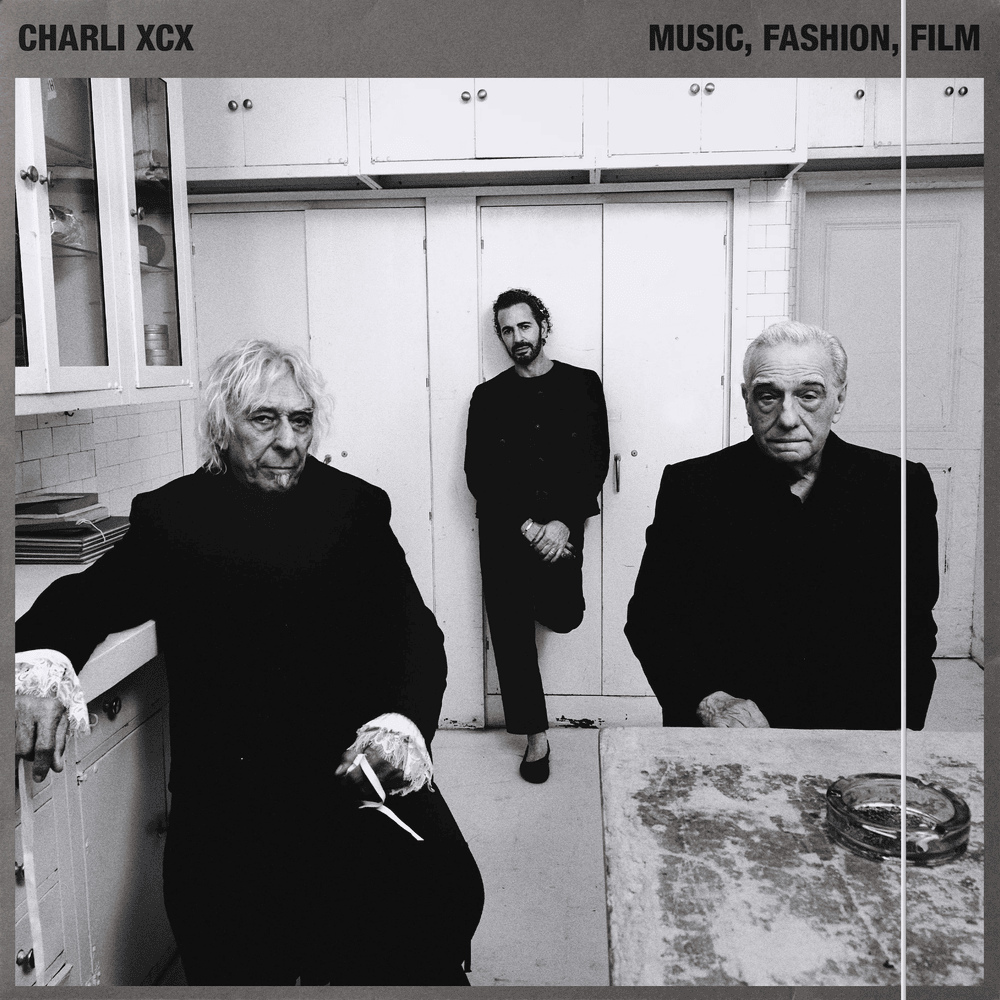
And Music, Fashion, Film is vastly more musically daring than anything Mother Monster ever birthed. The gadfly critic Eli Schoop, notorious for his aptly named blog Constantly Hating and his disdain for mainstream pop, came prepared to despise Music, Fashion, Film but found himself—like many other critics, including this one—knocked on his ass by the album’s potent brew of screaming guitars, slammed-together half-ideas and genuinely frightening memento moris.
Sure, it’s fake-deep, but it’s also real deep, finding an artist who’s been in the game for more than half her life reckoning with her legacy that suggests she’d like to be remembered like the B&W bigwigs on the cover (from left: John Cale, Marc Jacobs, Martin Scorsese).

Maybe the sampling of an interview with the salty old art-horror maestro David Cronenberg on closer “No One Lasts Forever” is a cheap moodboard move to juice her cinephile cred, but what he’s saying is dead serious. “Nothing’s gonna last forever,” he repeats in a snippet of pseudo-Reichian phasing; this must be the most popular record since Madvillainy to reference Steve Reich’s “Come Out.”
It’s an especially stinging sentiment in the context of an album whose first single loudly announces its desire to make “Rock Music”—a genre that commercially hasn’t been worth a shit since the last Iraq-era ass-rock hits went down the toilet, and which people have been trying to either resuscitate or kill for good ever since.
Music, Fashion Film confirms something I’ve suspected since the Trump 1-era wave of emo rappers and SoundCloud pop punks: the commercial future of rock lies in people who come to it as an outsider. Much of the most successful “rock” of the last decade has been by people like Post Malone and Machine Gun Kelly who started in rap but had a long-latent itch to step up and perform Blink-182 karaoke.
So it makes sense that the most exciting guitar-driven mainstream record since Miguel’s Wildheart would be made by a pop star who, until recently, sounded totally comfortable leaning into the sleazy Crookers-era club sound of Brat. It’s no secret that most of the most vital music of the last 15 years has been some degree of annoying to rock purists, from hyperpop to footwork to Brazilian baile funk and Tanzanian singeli to the post-Opium rap currently being taken to extremes by the likes of Che and 2Slimey.
What would a rock world crafted in Charli’s image actually sound like? There’d be more electronics, which would get rid of a lot of the element of improvisation that defines the best rock music—at least according to the school of taste that exalts the resin-stained ‘70s live album as the ultimate art form, which I regret to admit, I subscribe to. But then again, most rock bands are content to cover “All Star” and “Scotty Doesn’t Know.” What a peachy world it would be if Music, Fashion, Film crept into their earbuds and gave them a kick in the pants.