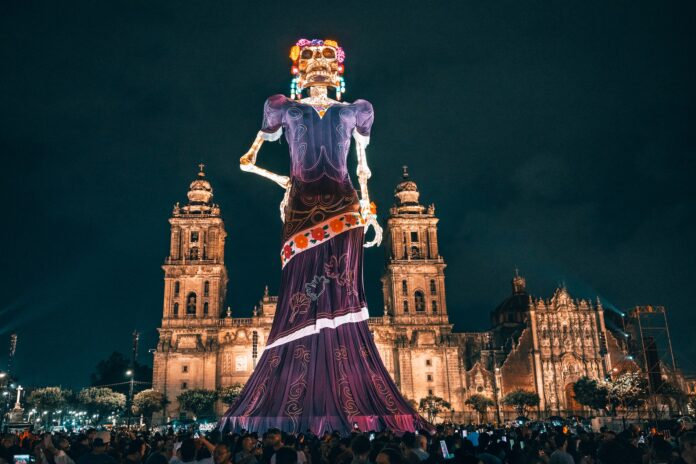
As October arrived in Mexico City, vibrant marigolds (cempasuchil) graced homes, offices, and shops, and pan de muerto popped up in bakeries and cafes, signaling the beginning of the Dia de Muertos season. Already a fantastic mash-up of the traditional and contemporary, Mexico City was even more colorful and spirited than usual.
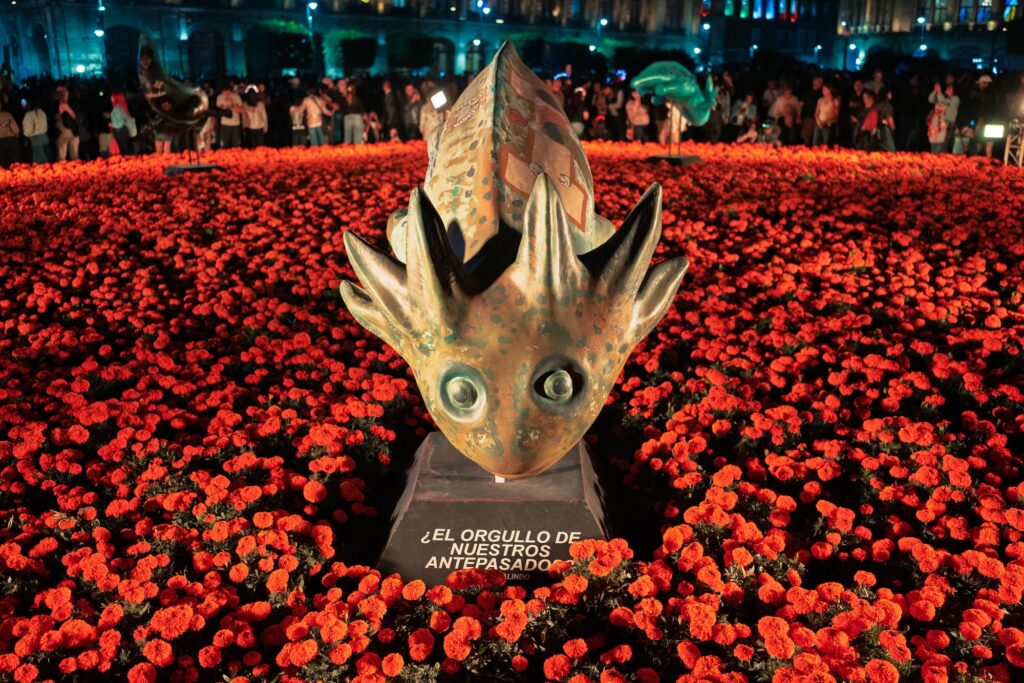
Traditional ofrendas gradually appeared in public and private spaces reflecting the aesthetic vision and personalities of the creators and honorees. The huge ofrenda in the Zocalo set a world record with a 33+ meter (~108 feet) Catrina—a tribute to Jose Guadalupe Posada, whose artwork inspired what is now one of the most iconic symbols of Mexico. The giant Catrina was surrounded by beds of marigolds peppered with colorfully decorated axolotl figurines. The amphibian from Lake Xochimilco symbolizes regeneration, an apt representation of the cycle of life surrounding Dia de Muertos.
The Giant Alebrijes Parade organized by the Museum of Popular Art on October 17 highlighted the clever, whimsical mixed-species alebrijes, another Mexican folk art tradition. A nod to Halloween, the Zombie March on October 18, was a family affair as people gathered at the Monument to the Revolution for face painting, photos, and food. The zombies were joined by cadres of clowns with chain saws, sinister jokers, traditional Aztec dancers, and so many more costumed folks.

Zombie March, Mexico City, Oct. 18, 2026. Photo by Jon Bauer 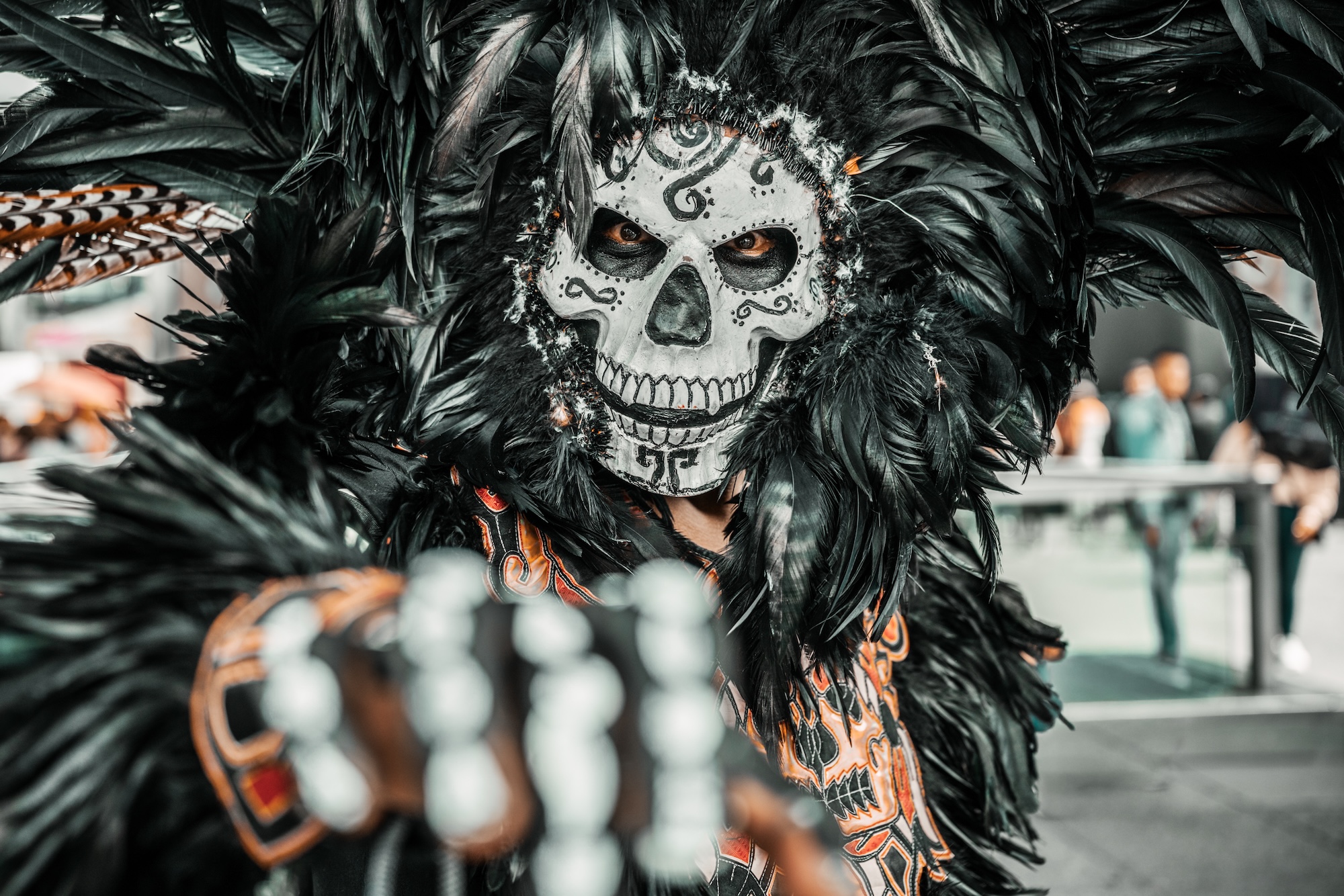
Zombie March, Mexico City, Oct. 18, 2026. Photo by Jon Bauer 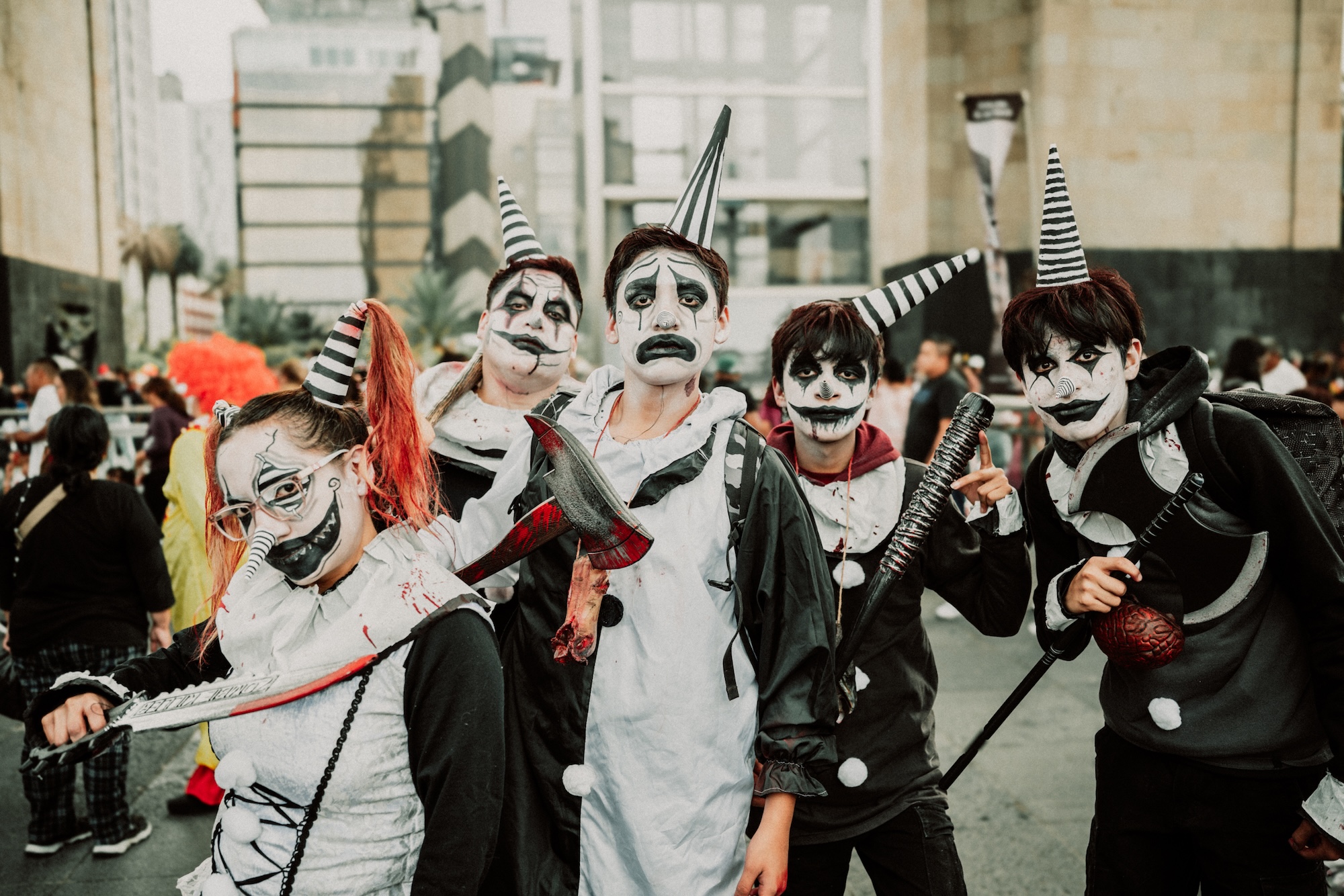
Zombie March, Mexico City, Oct. 18, 2026. Photo by Jon Bauer 
Zombie March, Mexico City, Oct. 18, 2026. Photo by Jon Bauer 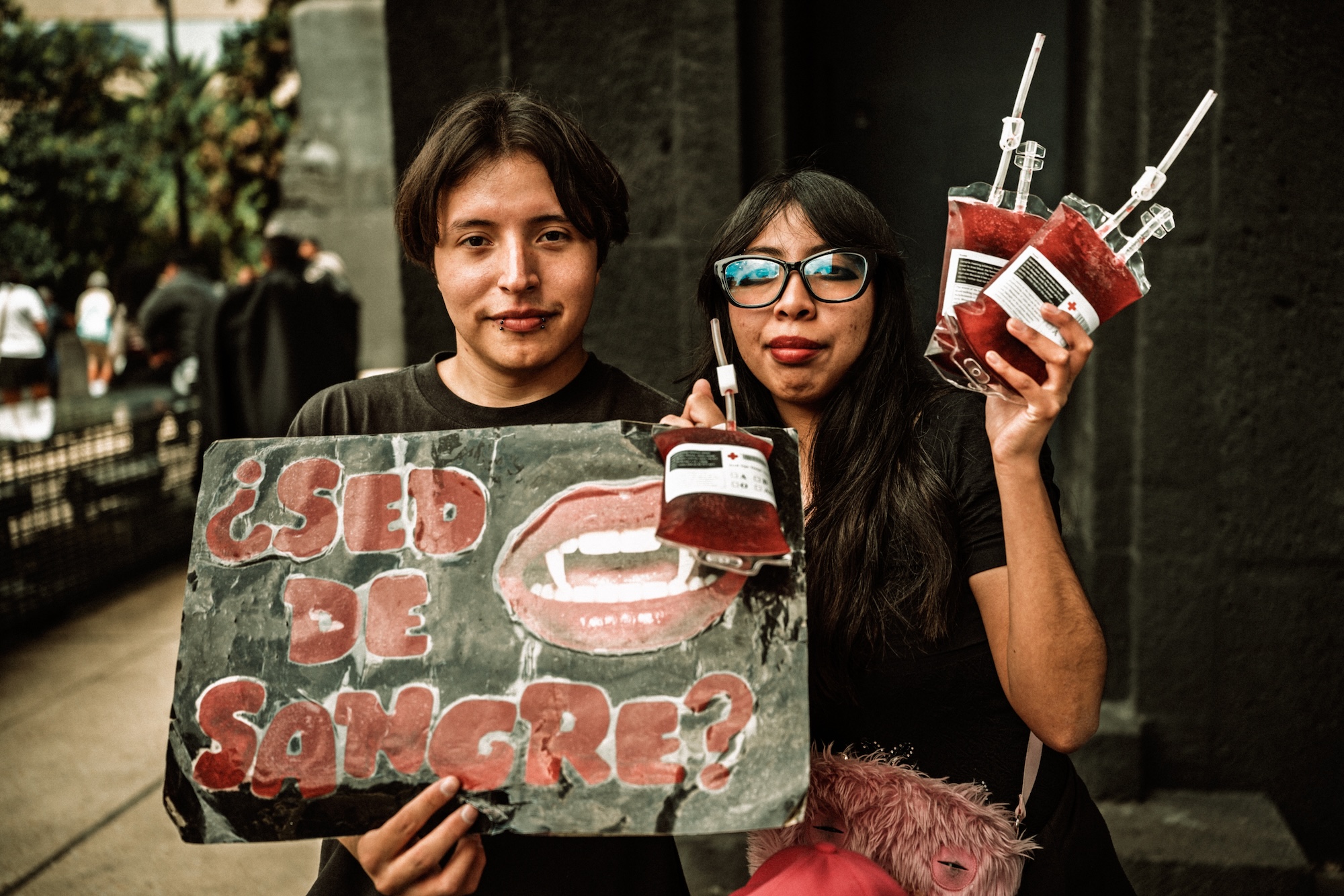
Zombie March, Mexico City, Oct. 18, 2026. Photo by Jon Bauer 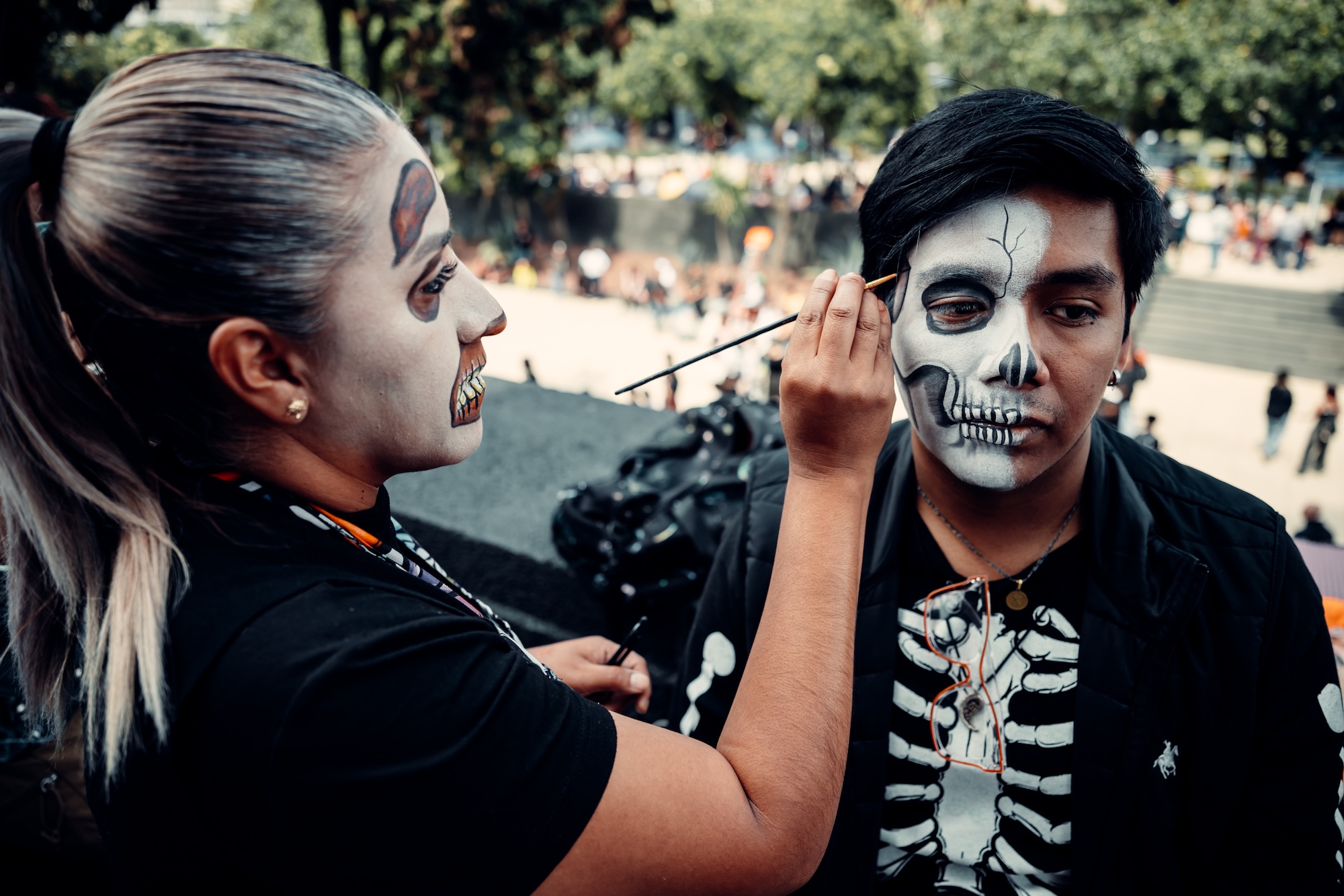
Zombie March, Mexico City, Oct. 18, 2026. Photo by Jon Bauer
The marigold festival painted the Reforma vibrant oranges and yellows. The city illuminated giant sculptures of Catrinas, calaveras (skulls), and xoloitzcuintles, the Mexican hairless dogs believed to guide souls through the underworld.
The Mega Catrinas Procession on October 25 was indeed a mega event! Thousands of Catrinas danced their way down Paseo de la Reforma: Catrinas in black dresses, Catrinas in colorful garb, Catrinas in corn husk outfits, Catrinas with lucha libre-themed clothes, young Catrinas, a 79-year-old Catrina, pre-Hispanic Catrinas, revolutionary Catrinas, drag Catrinas, dog Catrinas, cartonería Catrinas on tricked out cars, Catrinas with intricate hats that are works of art in their own right. (The Royal Ascot crew could learn from these milliners). Most poignant of all was the Contingent of the Catrinas of Remembrance. Adorned in white with marigold accents, each carried one or more photos of loved ones lost—parents, children, pets, lovers.
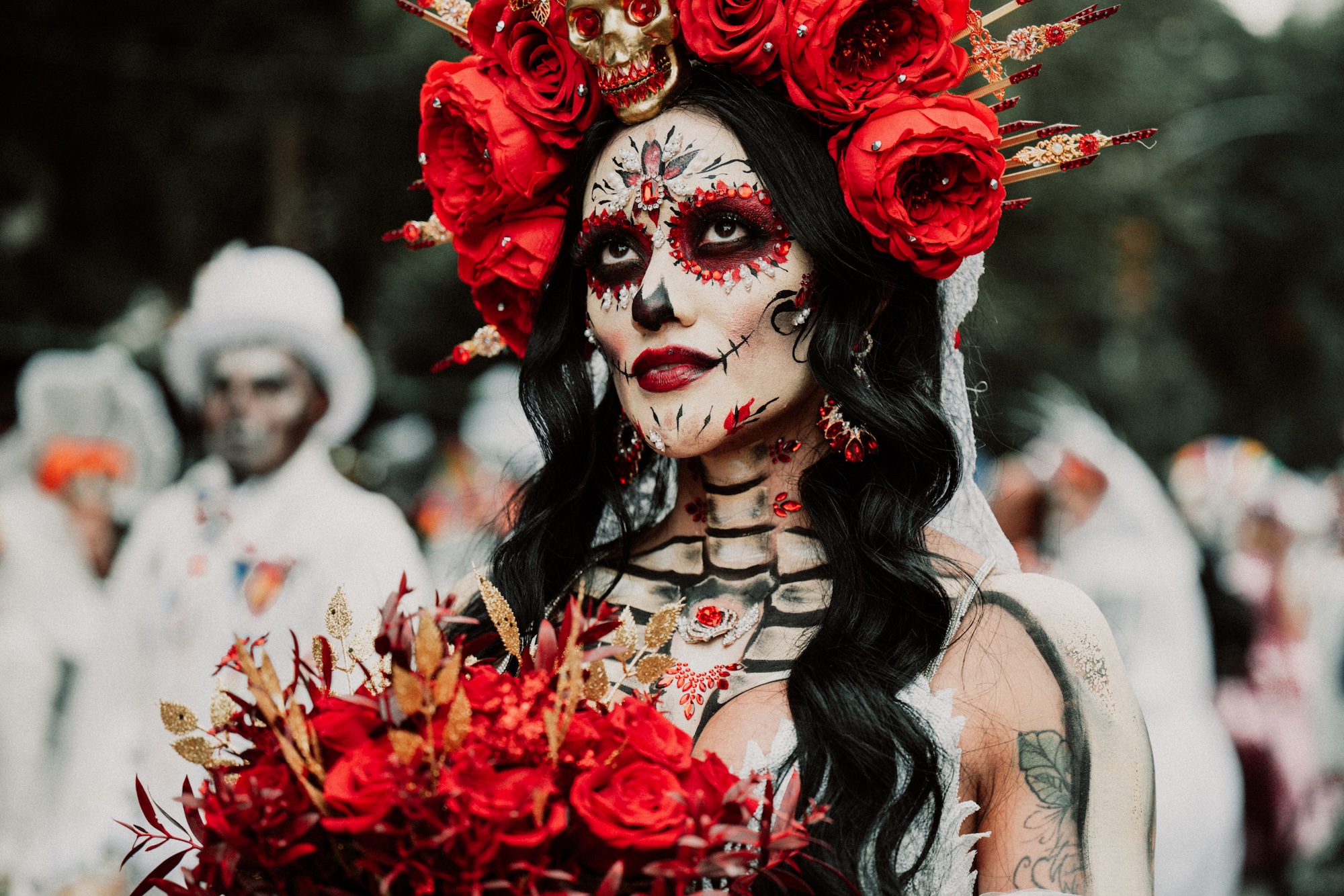
Mega Procesion de las Catrinas, Oct. 25, 2026. Photo by Jon Bauer 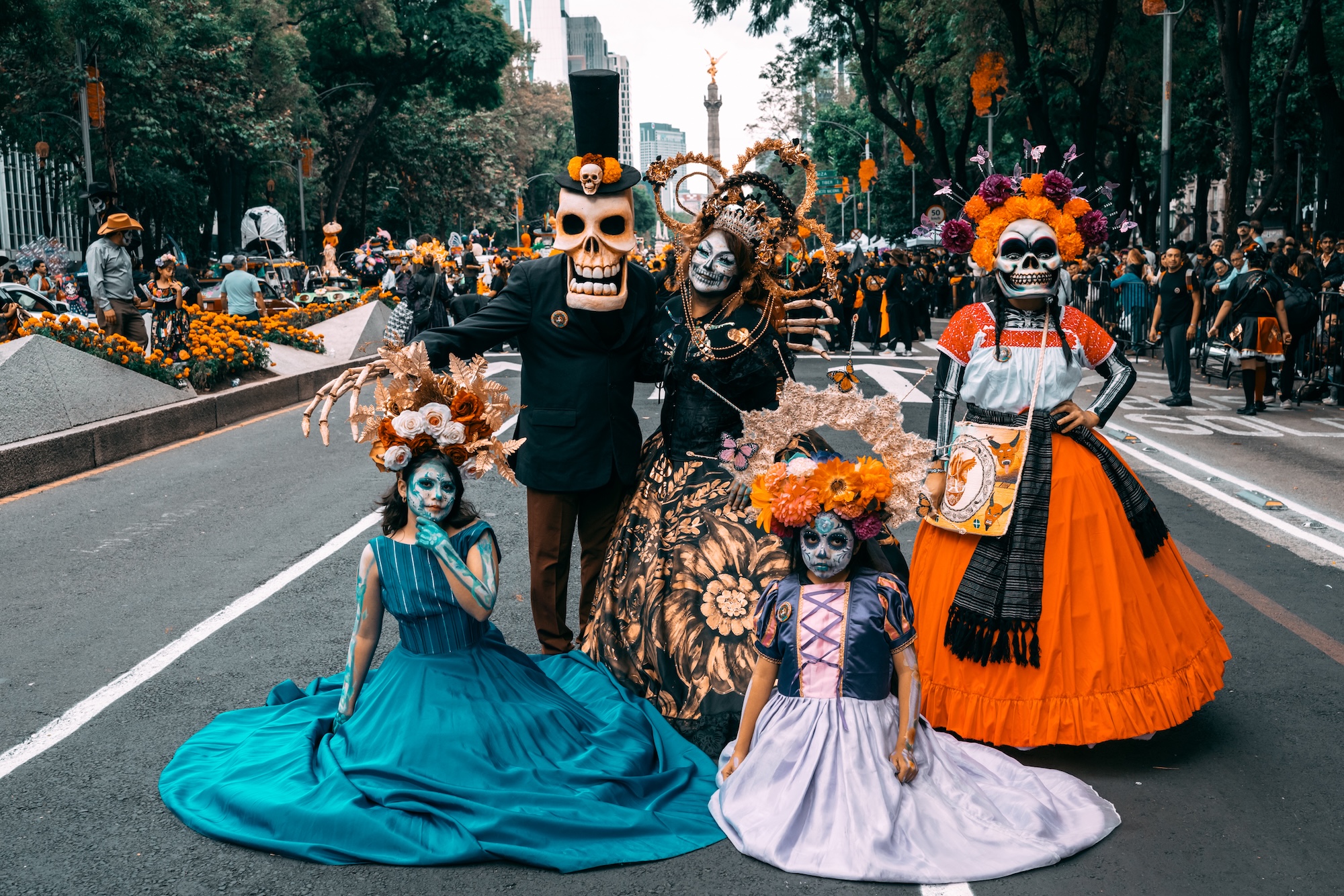
Mega Procesion de las Catrinas, Oct. 25, 2026. Photo by Jon Bauer 
Mega Procesion de las Catrinas, Oct. 25, 2026. Photo by Jon Bauer 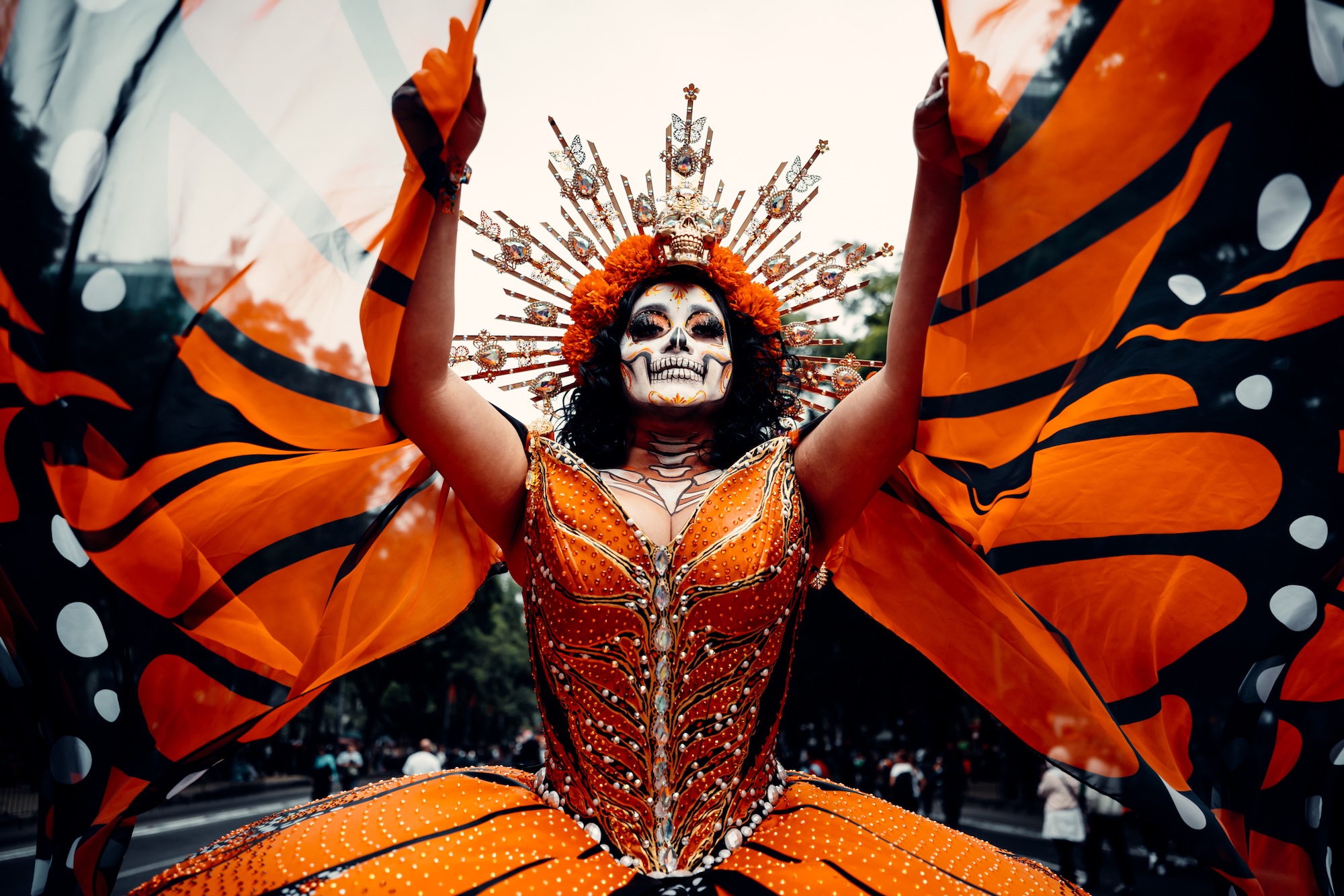
Mega Procesion de las Catrinas, Oct. 25, 2026. Photo by Jon Bauer 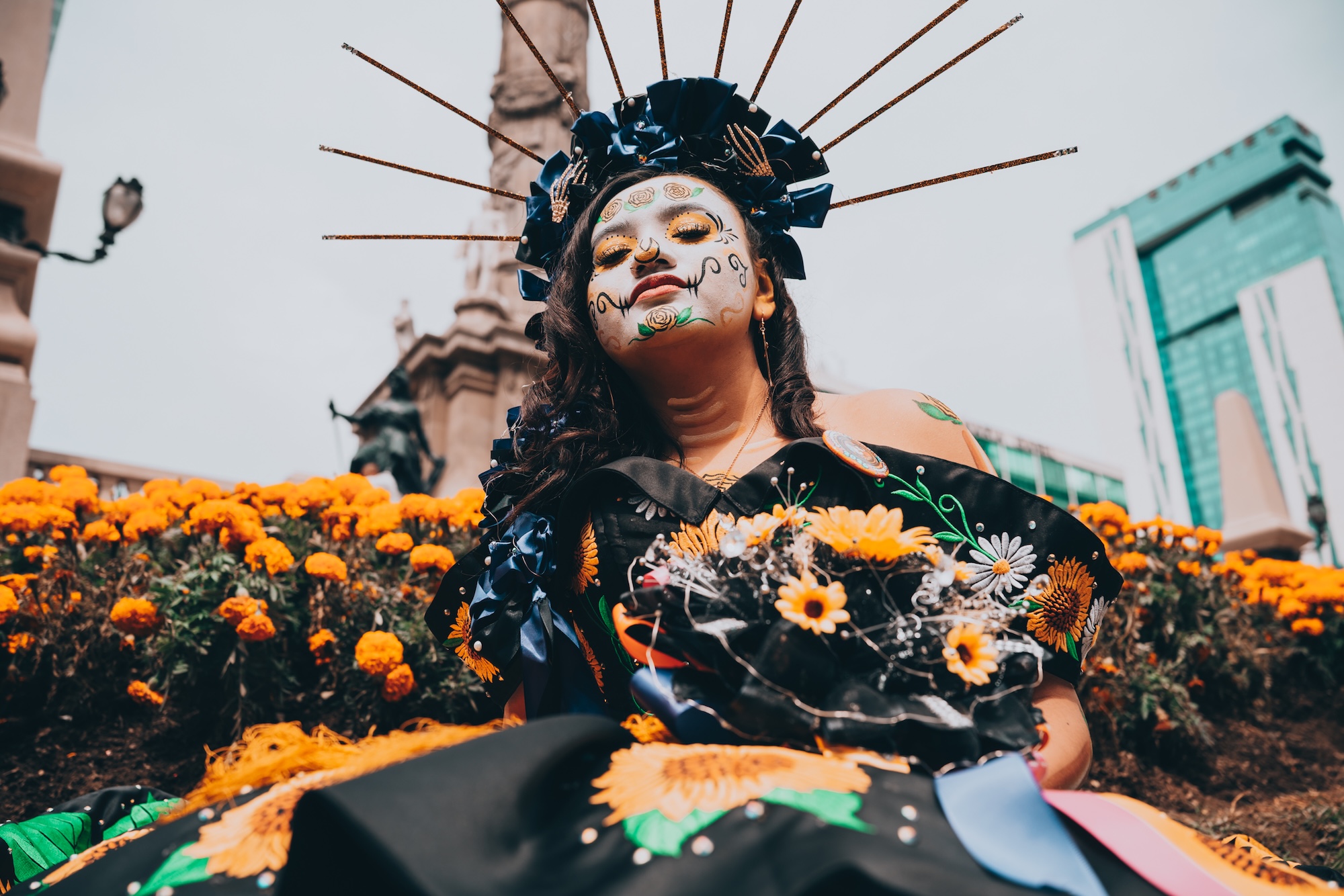
Mega Procesion de las Catrinas, Oct. 25, 2026. Photo by Jon Bauer 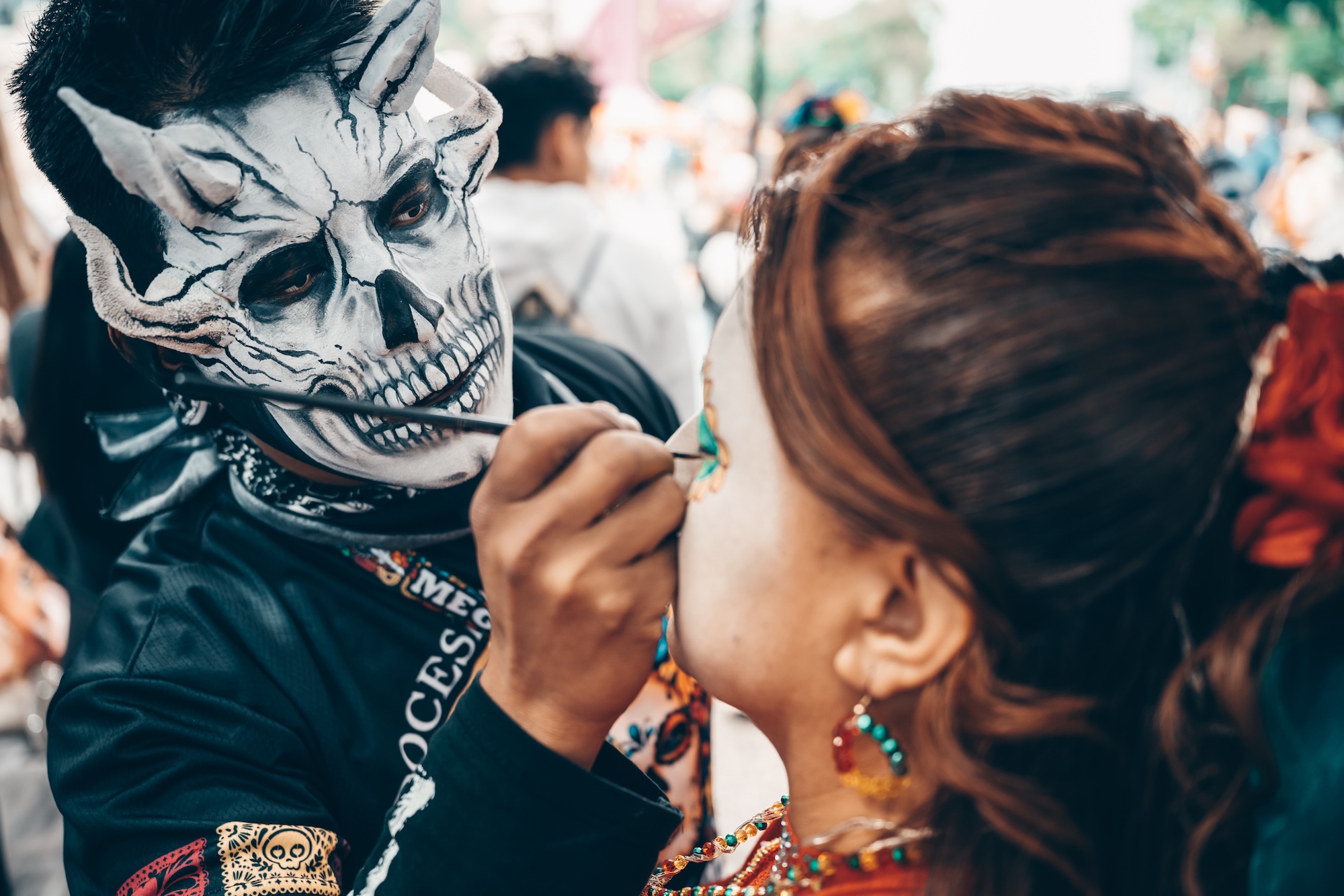
Mega Procesion de las Catrinas, Oct. 25, 2026. Photo by Jon Bauer 
Mega Procesion de las Catrinas, Oct. 25, 2026. Photo by Jon Bauer 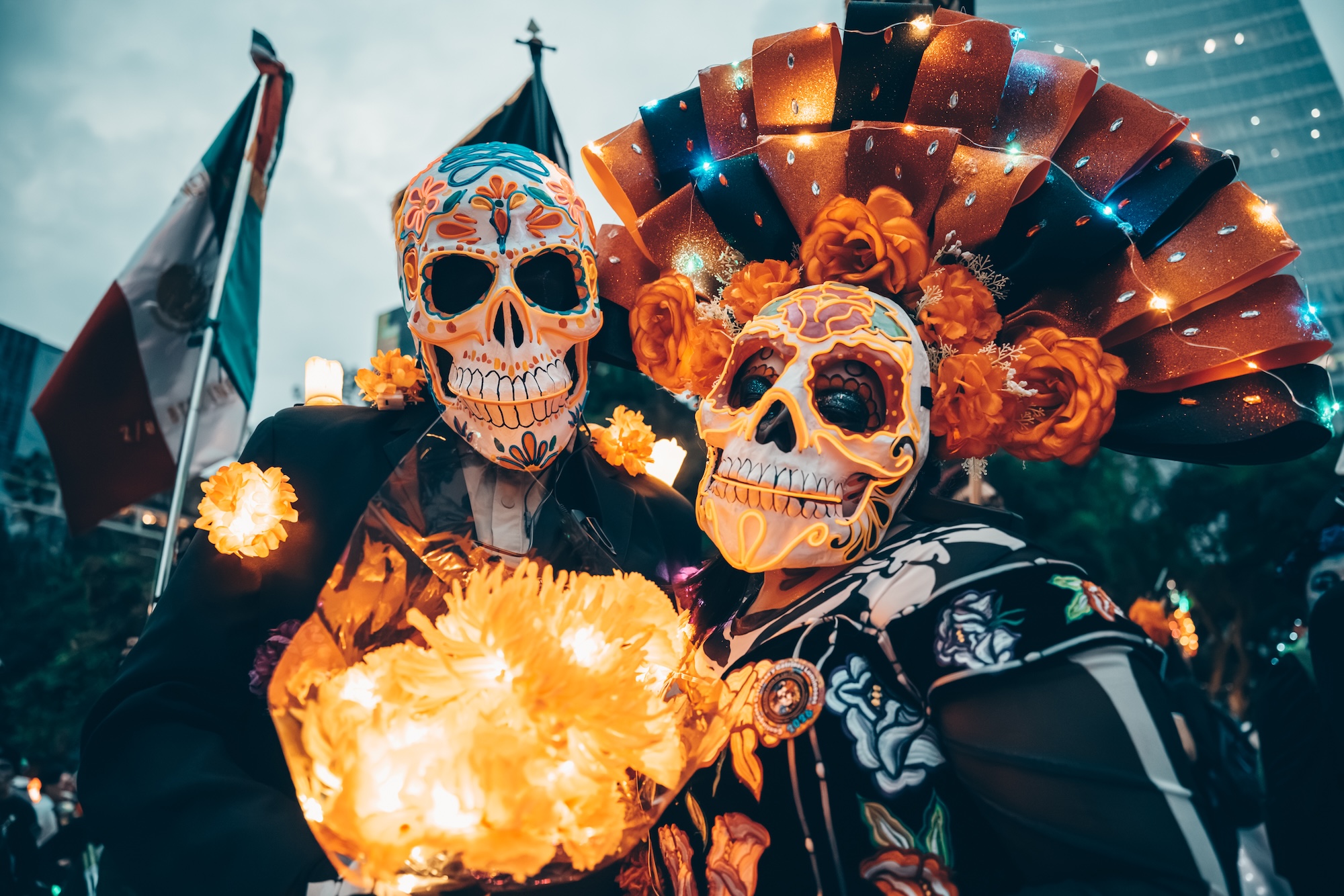
Mega Procesion de las Catrinas, Oct. 25, 2026. Photo by Jon Bauer 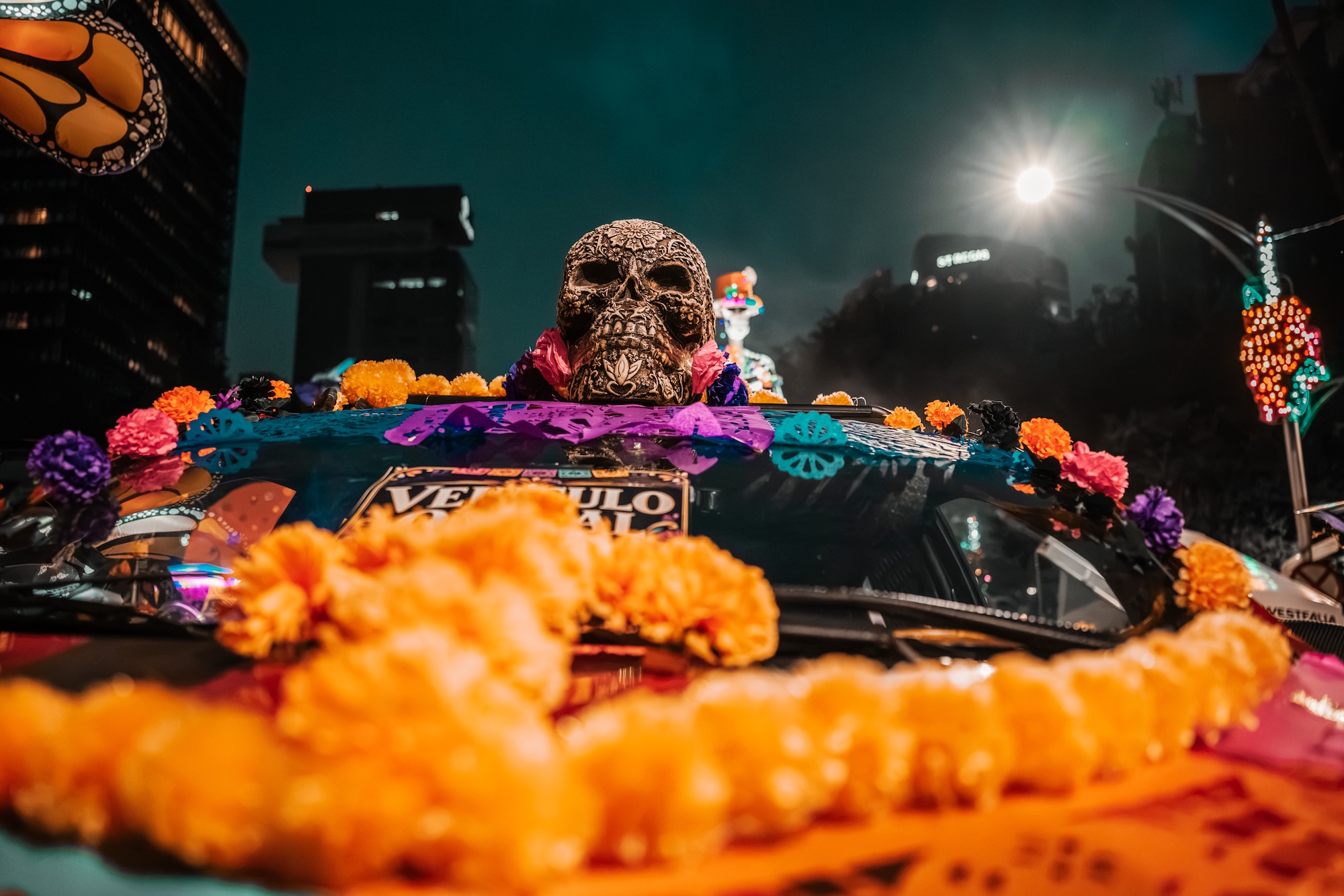
Mega Procesion de las Catrinas, Oct. 25, 2026. Photo by Jon Bauer
The procession was an endurance event. The start time was 6pm, but participants gathered early in the day decorating cars and applying elaborate make-up. Despite hours of prep and waiting, a festive vibe permeated. The car contingent blasted music generating impromptu conga lines. Once the sun set, the millions of lights festooned on cars and clothes erupted, adding to the glow of the nearly full moon as the procession began.
The crowning modern event was the Grand Parade, held on October 31. While the parade started in 2016 (yes, in response to the opening scene of the James Bond movie Spectre), the “floats” employ traditional Mexican papier-mache, cartoneria. Like any great event, preparation is all. Colectivo: Ultima Hora began crafting their design months ago. A visit to their workshop at FARO Oriente on October 24 was a chance to see their project El Panadero con el Pan (an homage to the Tin Tan short) in progress. As the artisans brought the giant figures to life, the dancers rehearsed their parade routine to a cumbia remix of the 1950s song.
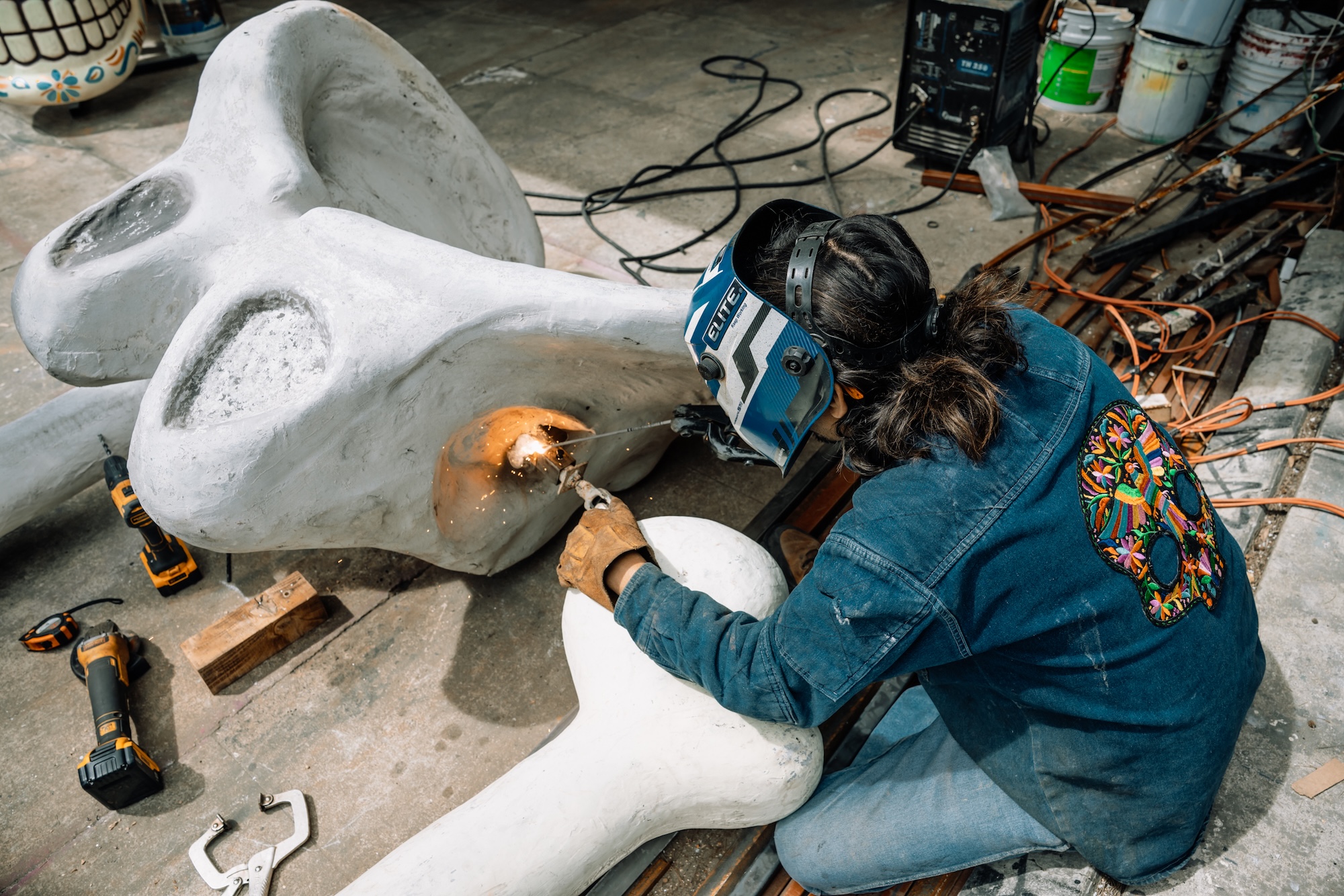
A visit to Fabrica de Artes y Oficios Oriente, Oct. 24, 2026. Photo by Jon Bauer 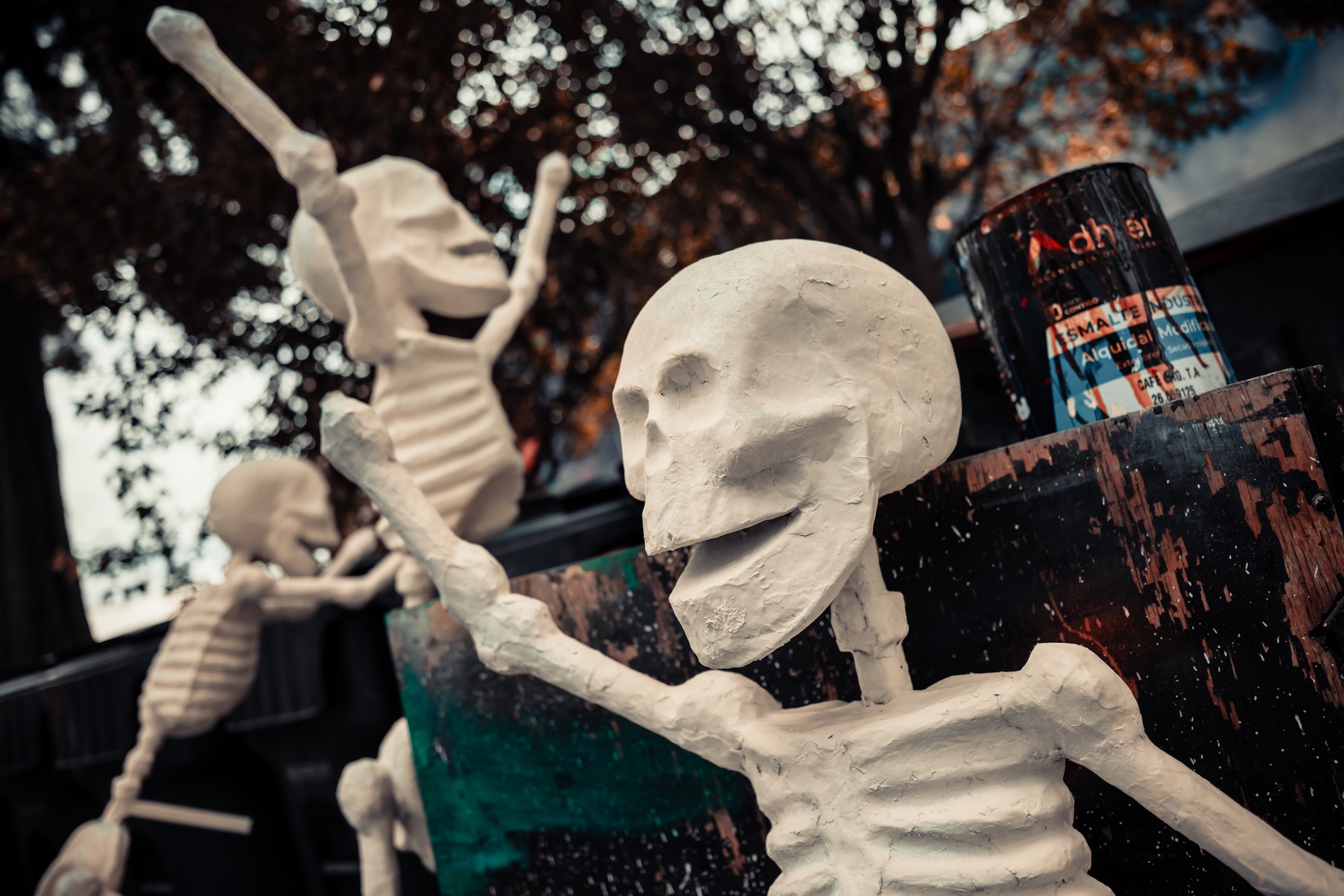
A visit to Fabrica de Artes y Oficios Oriente, Oct. 24, 2026. Photo by Jon Bauer 
A visit to Fabrica de Artes y Oficios Oriente, Oct. 24, 2026. Photo by Jon Bauer 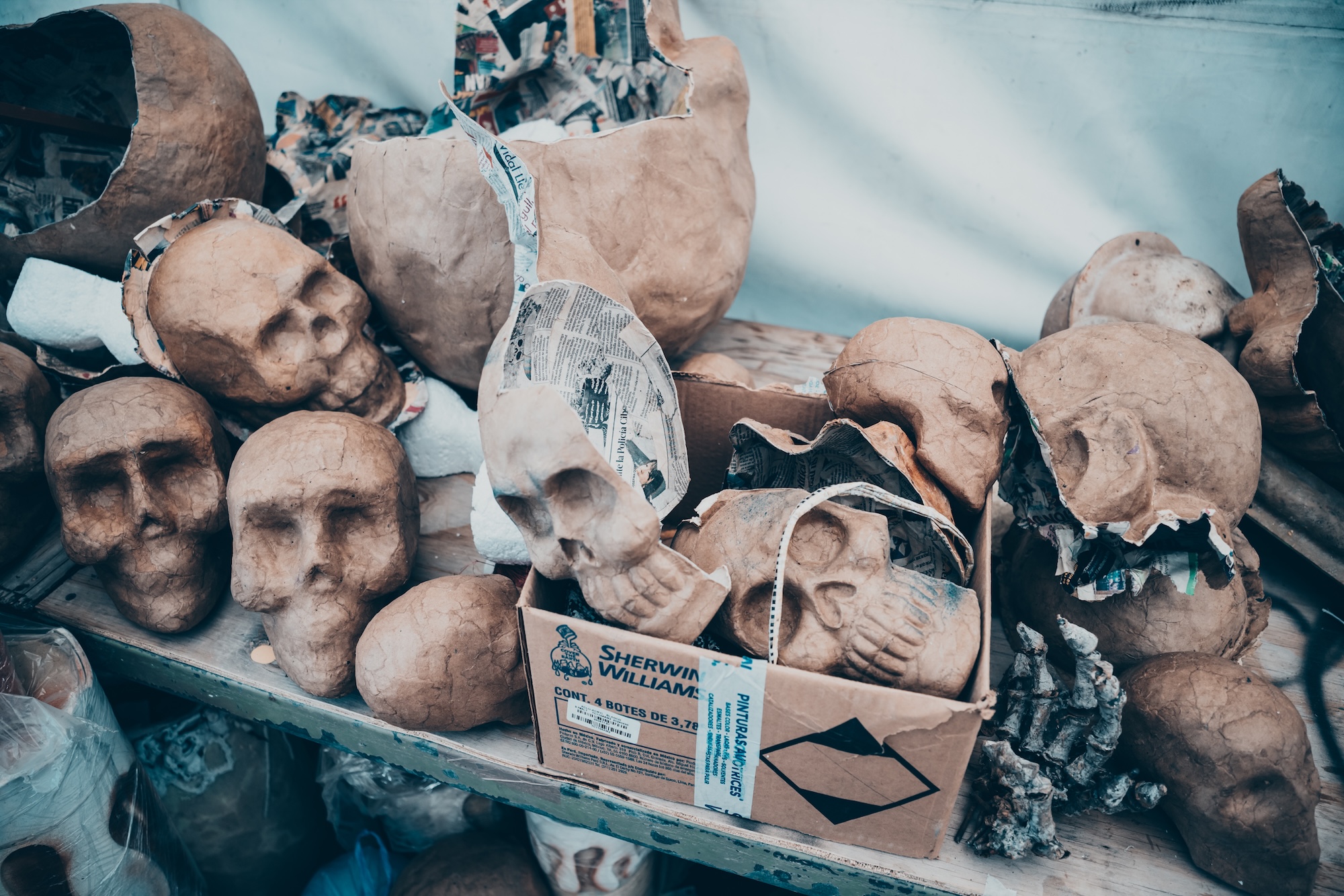
A visit to Fabrica de Artes y Oficios Oriente, Oct. 24, 2026. Photo by Jon Bauer
On parade day, colored smoke and lively music sparked excitement as spectators lined Paseo de la Reforma, many of whom had been waiting under the sunny skies for hours to secure a prime viewing spot. One of the first groups was the colorful Ajolote: Guardian of Memory contingent. An appropriate beginning as the holiday is about remembering loved ones; the focus of this year’s parade was to honor Mexican cultural icons.
In addition to the Tin Tan offering, other standouts included a float celebrating the film María Candelaria by Emilio Fernandez which was the first Latin American film to win top honors at Cannes. The elaborate float included a sculpted boat with the main characters rowing forward amid a sea of flowers. The back of the float depicted a somber scene as a man shepherds his lover’s body through the canals of Xochmilco.
The Regional Catrinas represented the different Mexican areas through their traditional dresses. A somber Puebla contingent wore massive sombreros with images of The Virgin of Guadalupe on the inside of their brims. The Memories of Childhood floats displayed skeletons on a seesaw, a swing, and a hobby horse acknowledging both departed children and our own past childhoods.
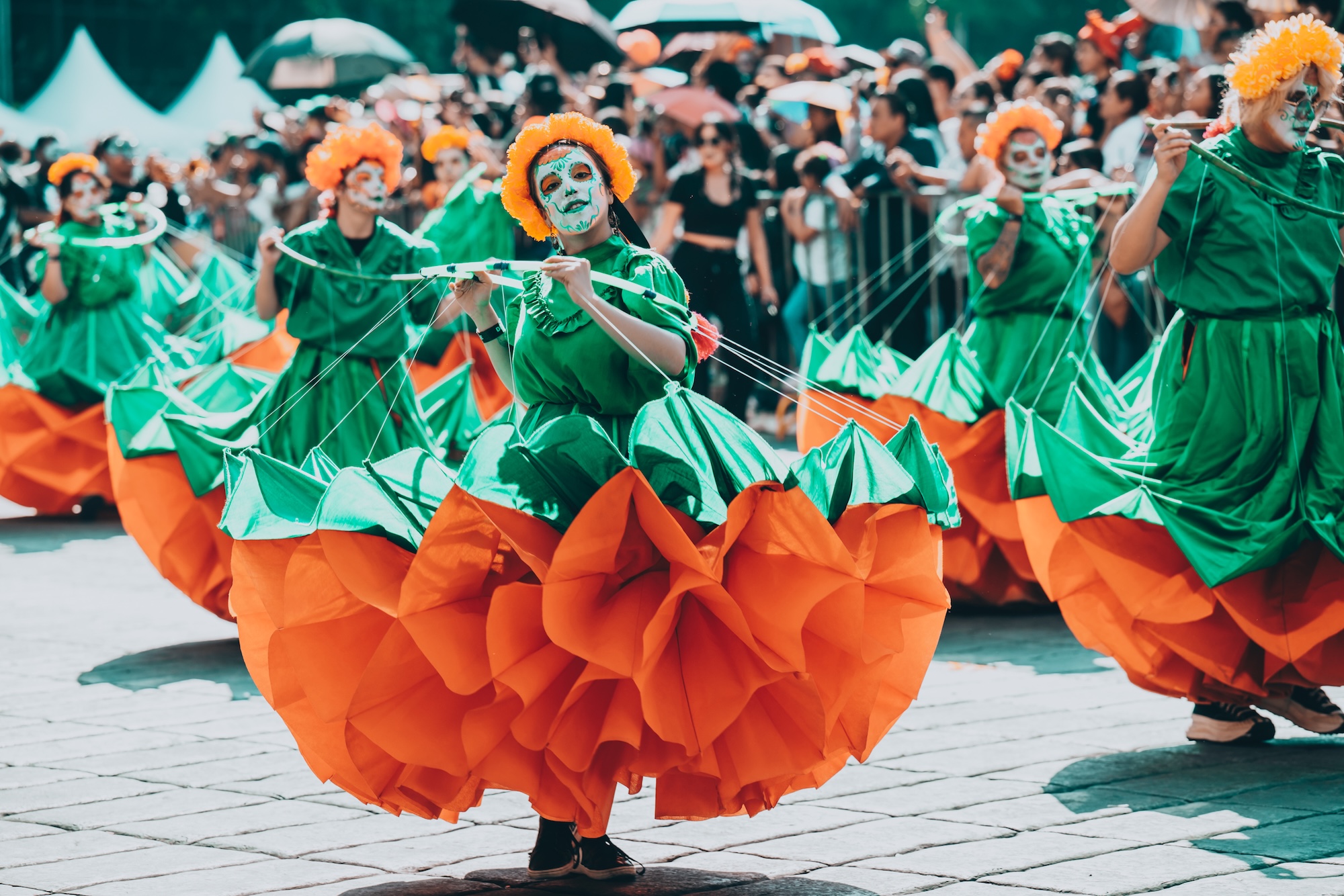
Mexico City Día de Muertos grand parade, Oct. 31, 2026. Photo by Jon Bauer 
Mexico City Día de Muertos grand parade, Oct. 31, 2026. Photo by Jon Bauer 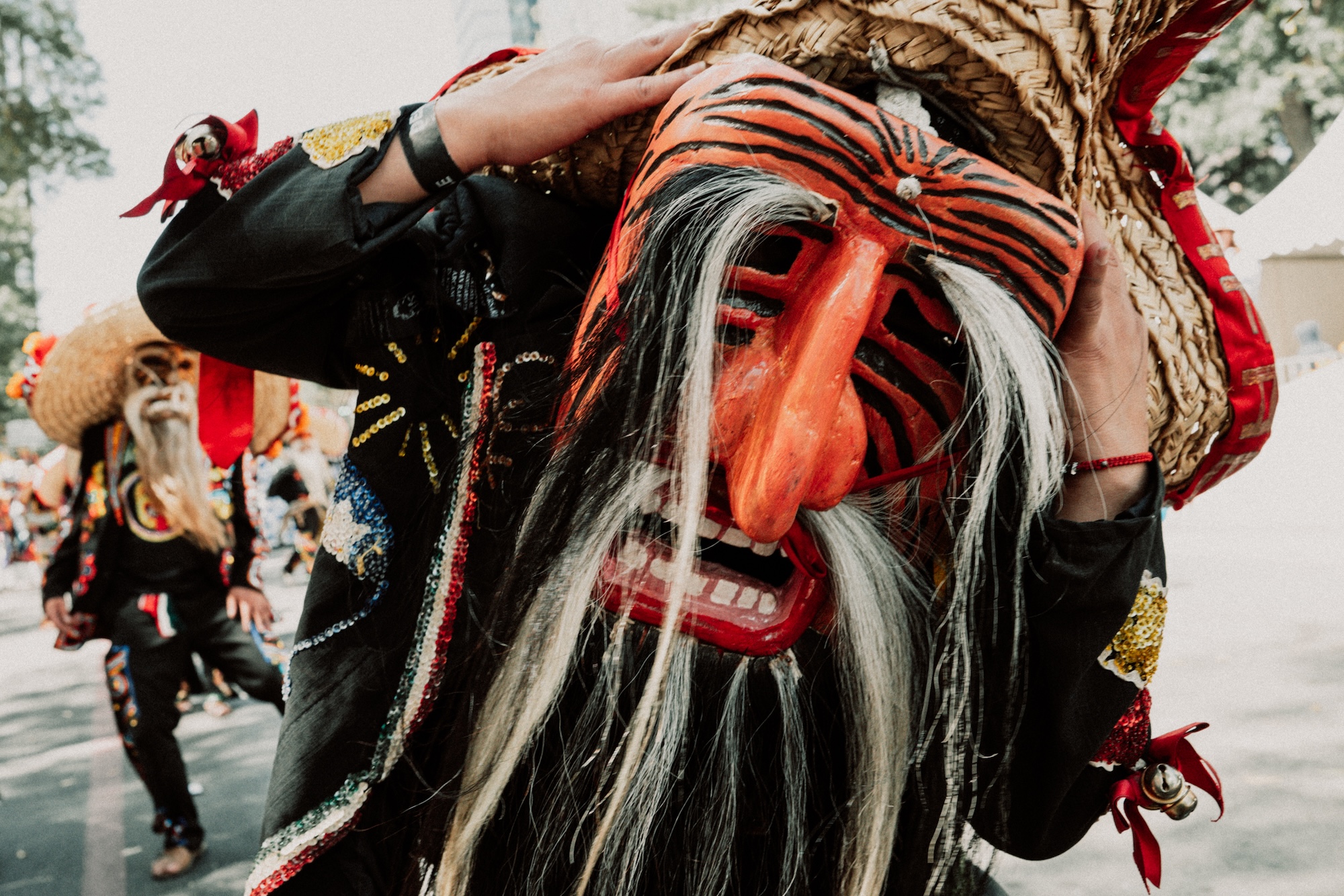
Mexico City Día de Muertos grand parade, Oct. 31, 2026. Photo by Jon Bauer 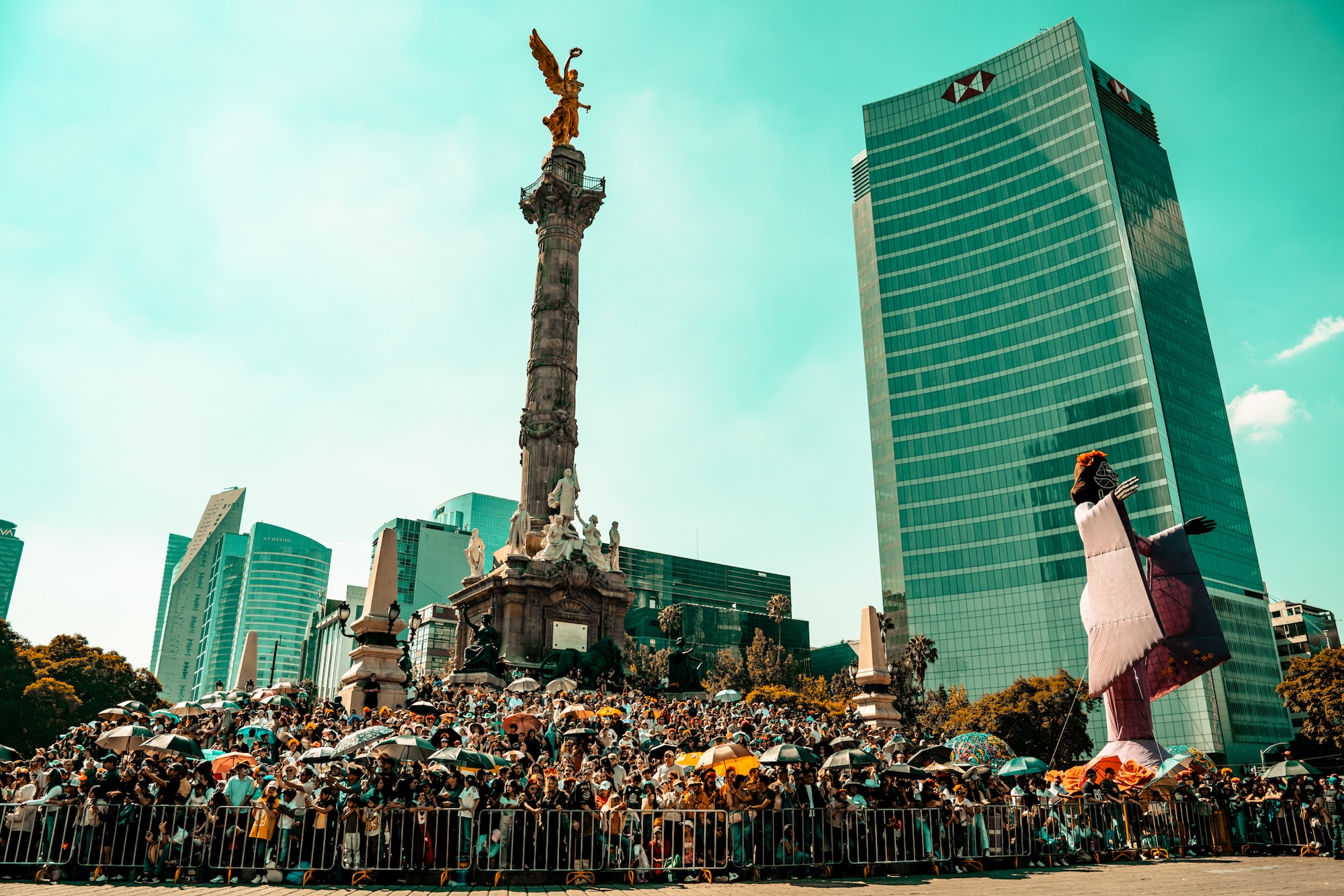
Mexico City Día de Muertos grand parade, Oct. 31, 2026. Photo by Jon Bauer 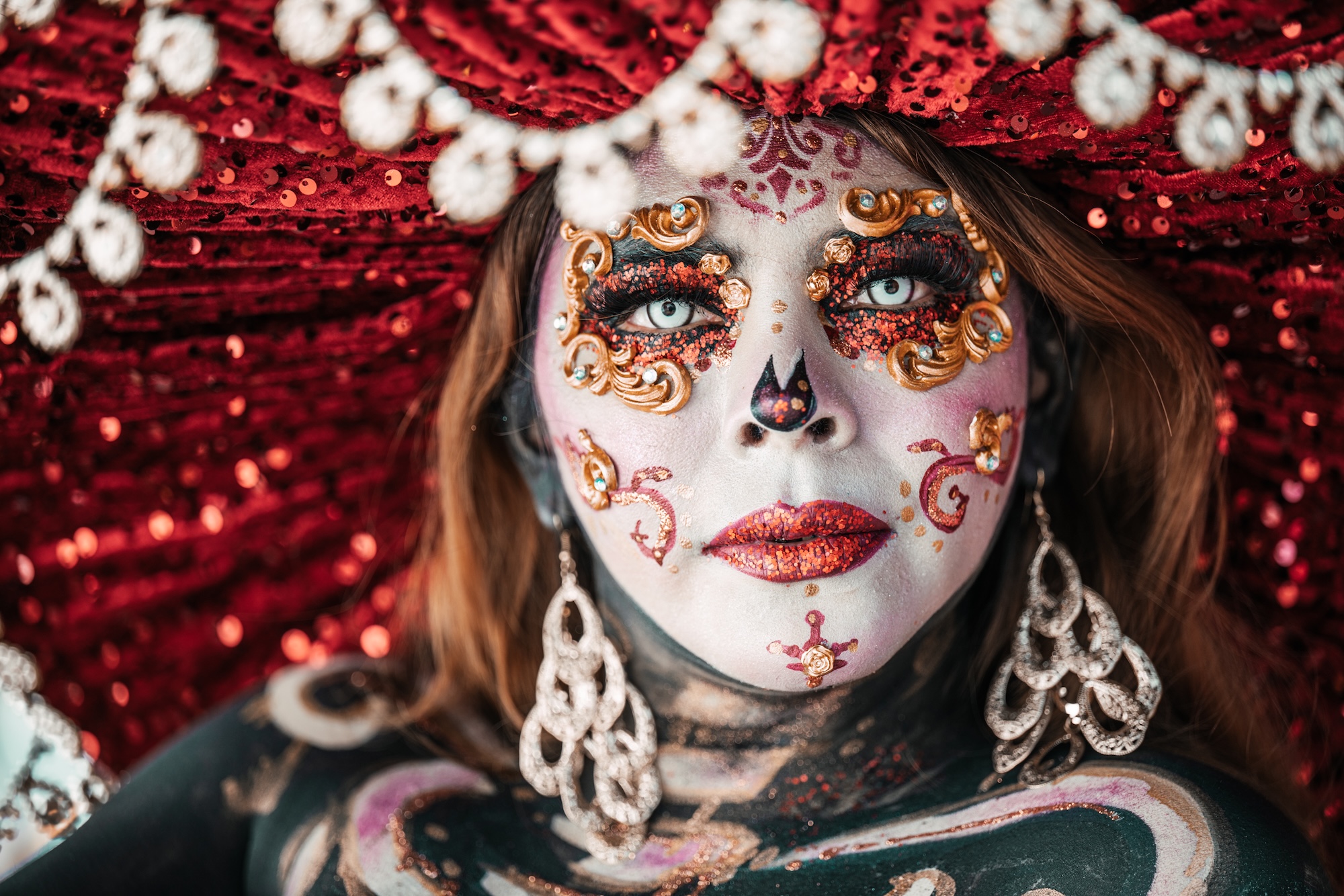
Mexico City Día de Muertos grand parade, Oct. 31, 2026. Photo by Jon Bauer 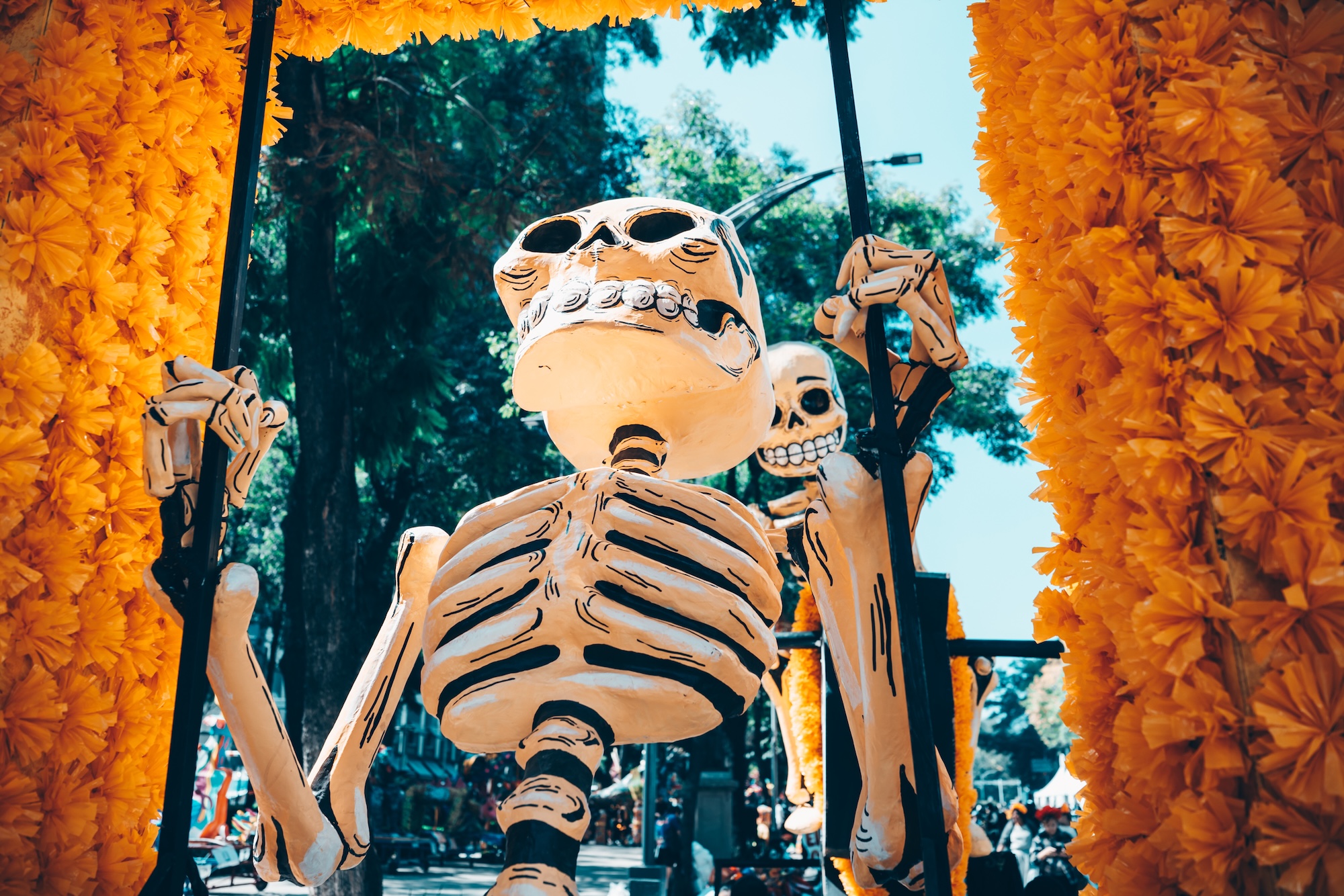
Mexico City Día de Muertos grand parade, Oct. 31, 2026. Photo by Jon Bauer 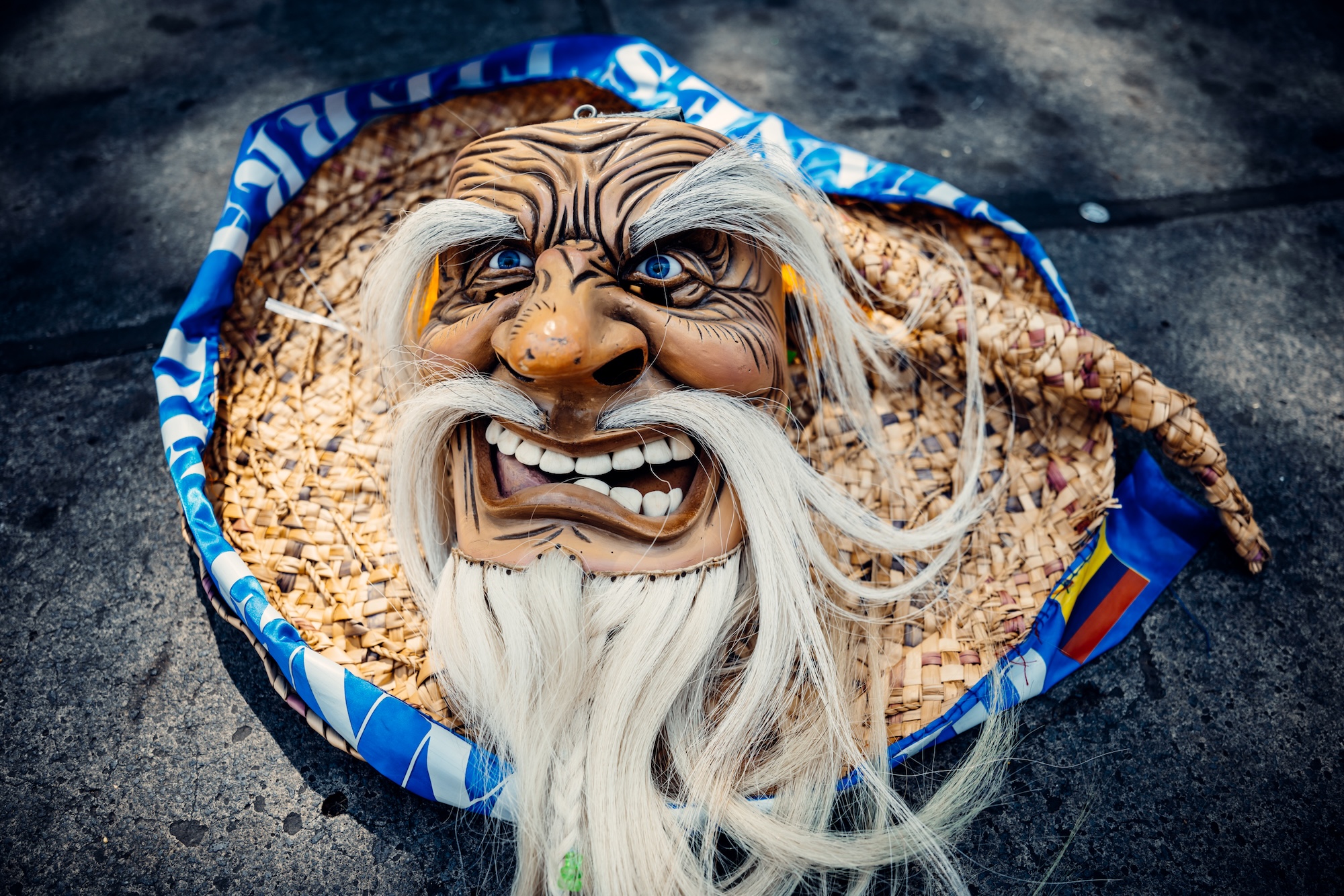
Mexico City Día de Muertos grand parade, Oct. 31, 2026. Photo by Jon Bauer 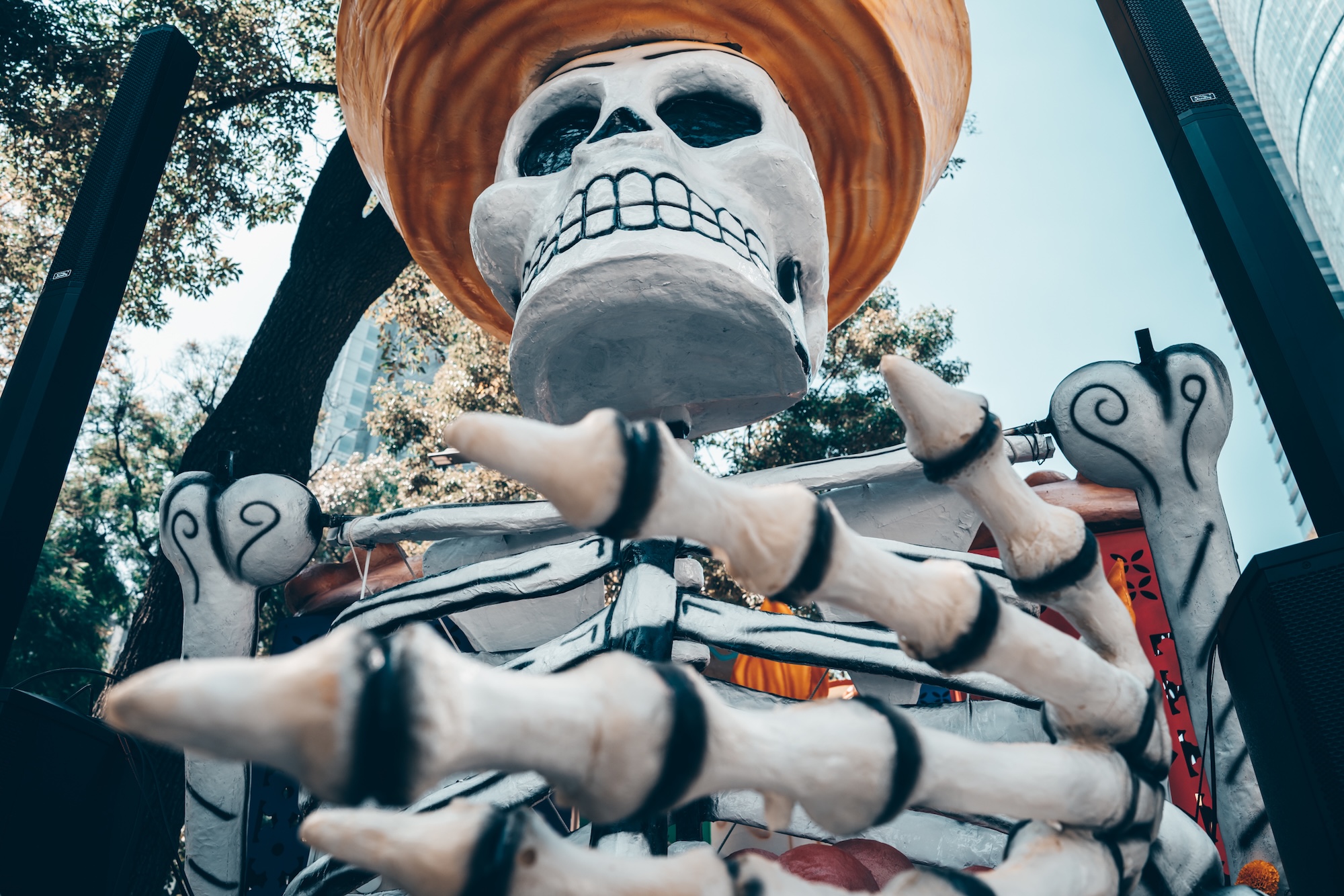
Mexico City Día de Muertos grand parade, Oct. 31, 2026. Photo by Jon Bauer 
Mexico City Día de Muertos grand parade, Oct. 31, 2026. Photo by Jon Bauer 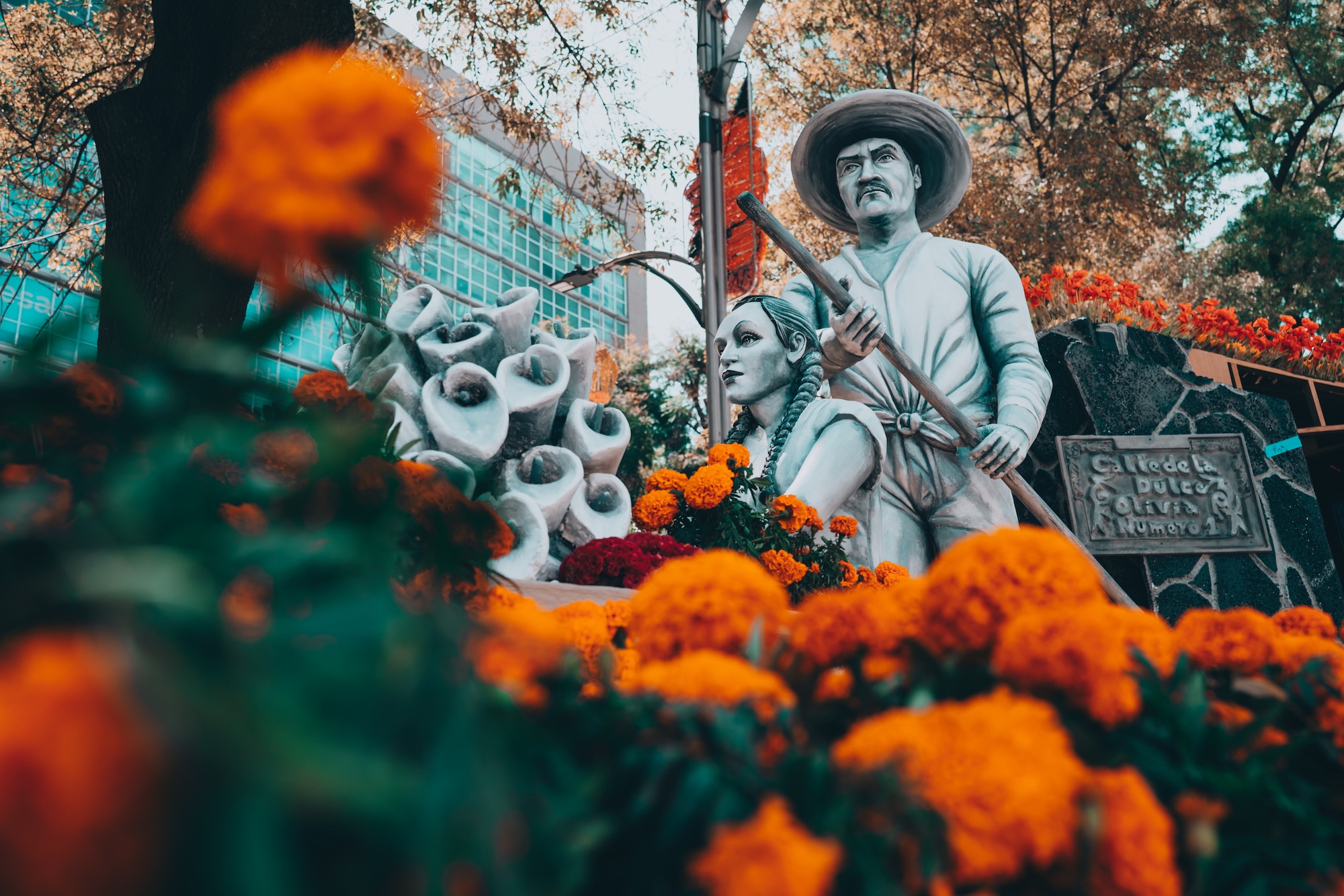
Mexico City Día de Muertos grand parade, Oct. 31, 2026. Photo by Jon Bauer 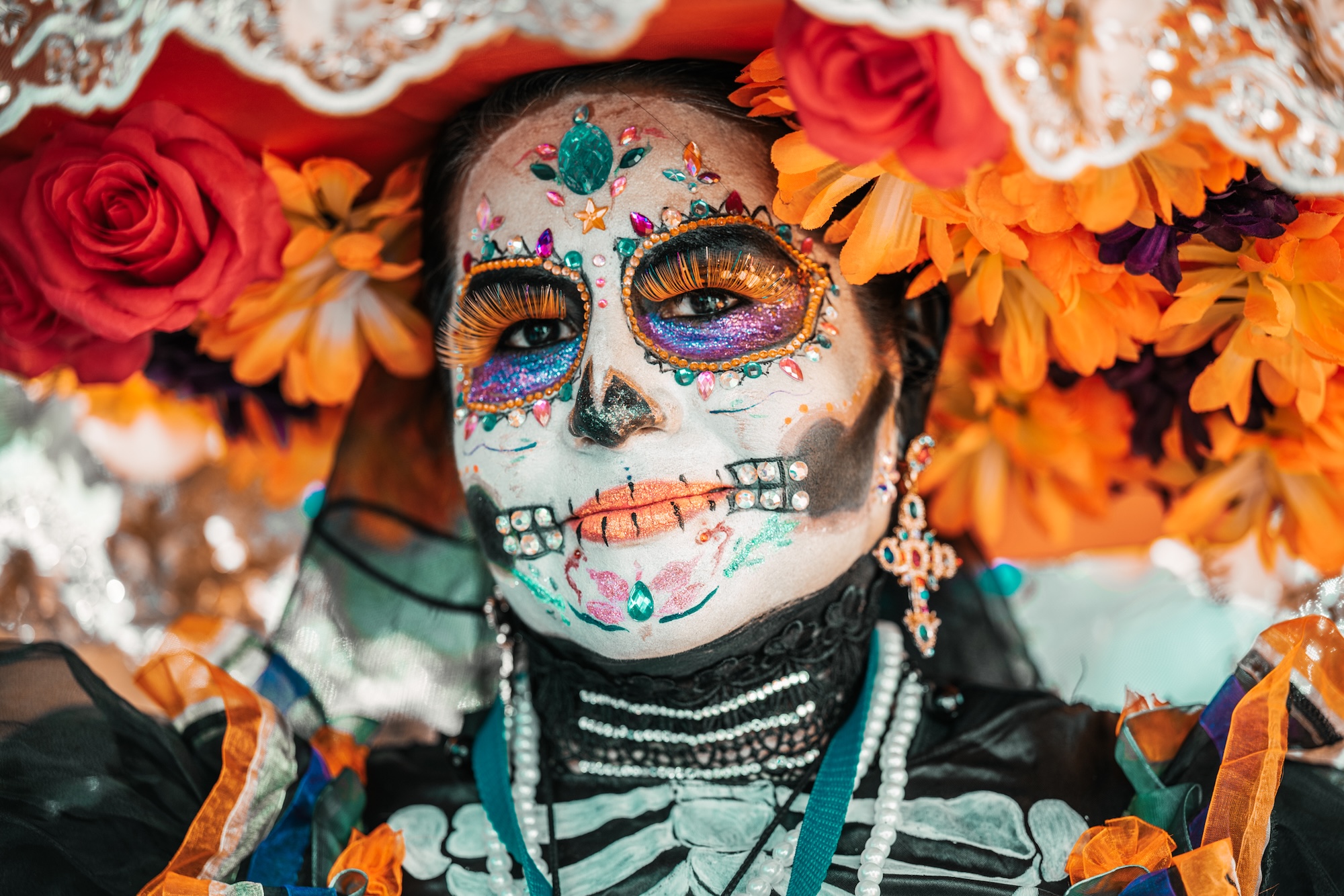
Mexico City Día de Muertos grand parade, Oct. 31, 2026. Photo by Jon Bauer 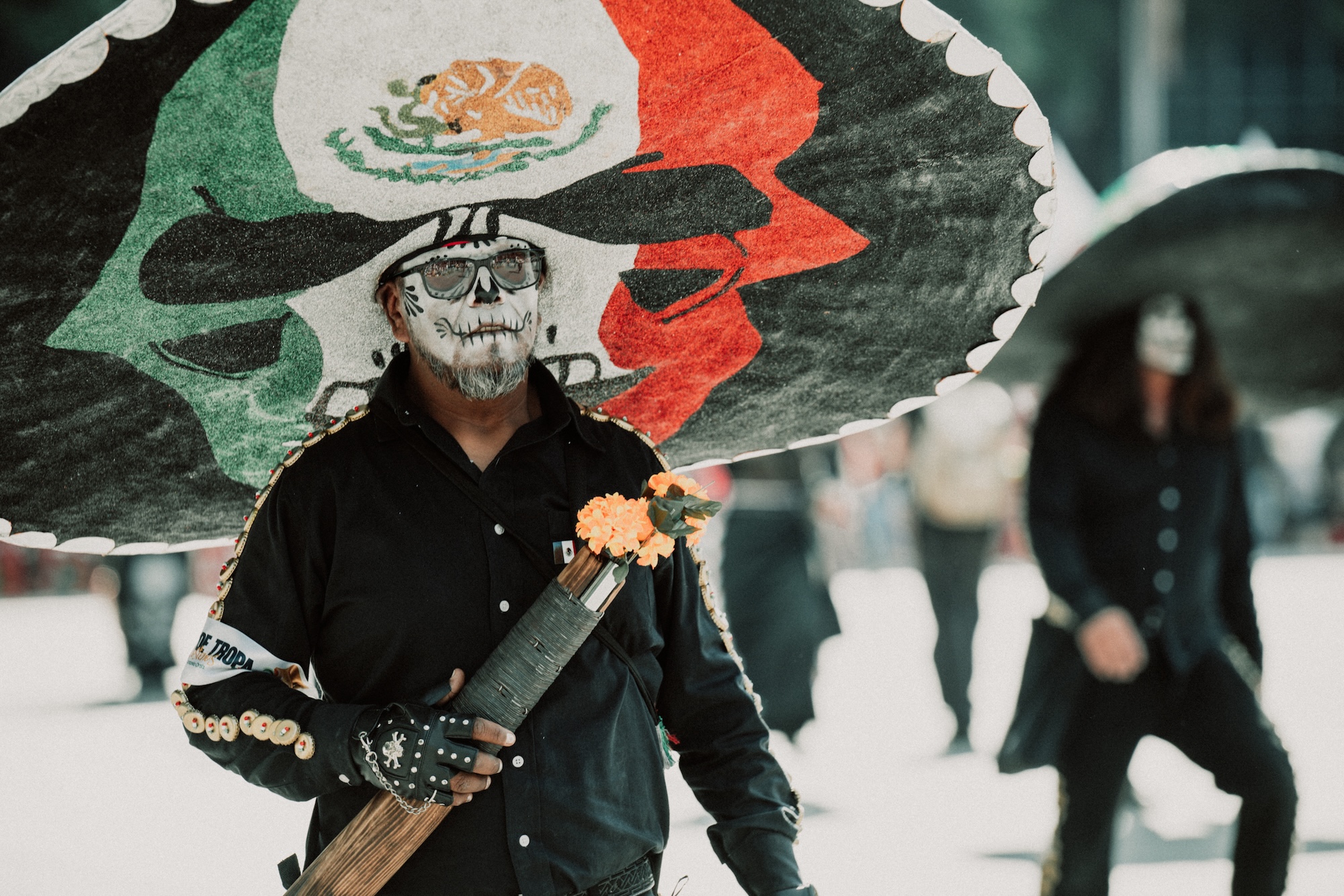
Mexico City Día de Muertos grand parade, Oct. 31, 2026. Photo by Jon Bauer 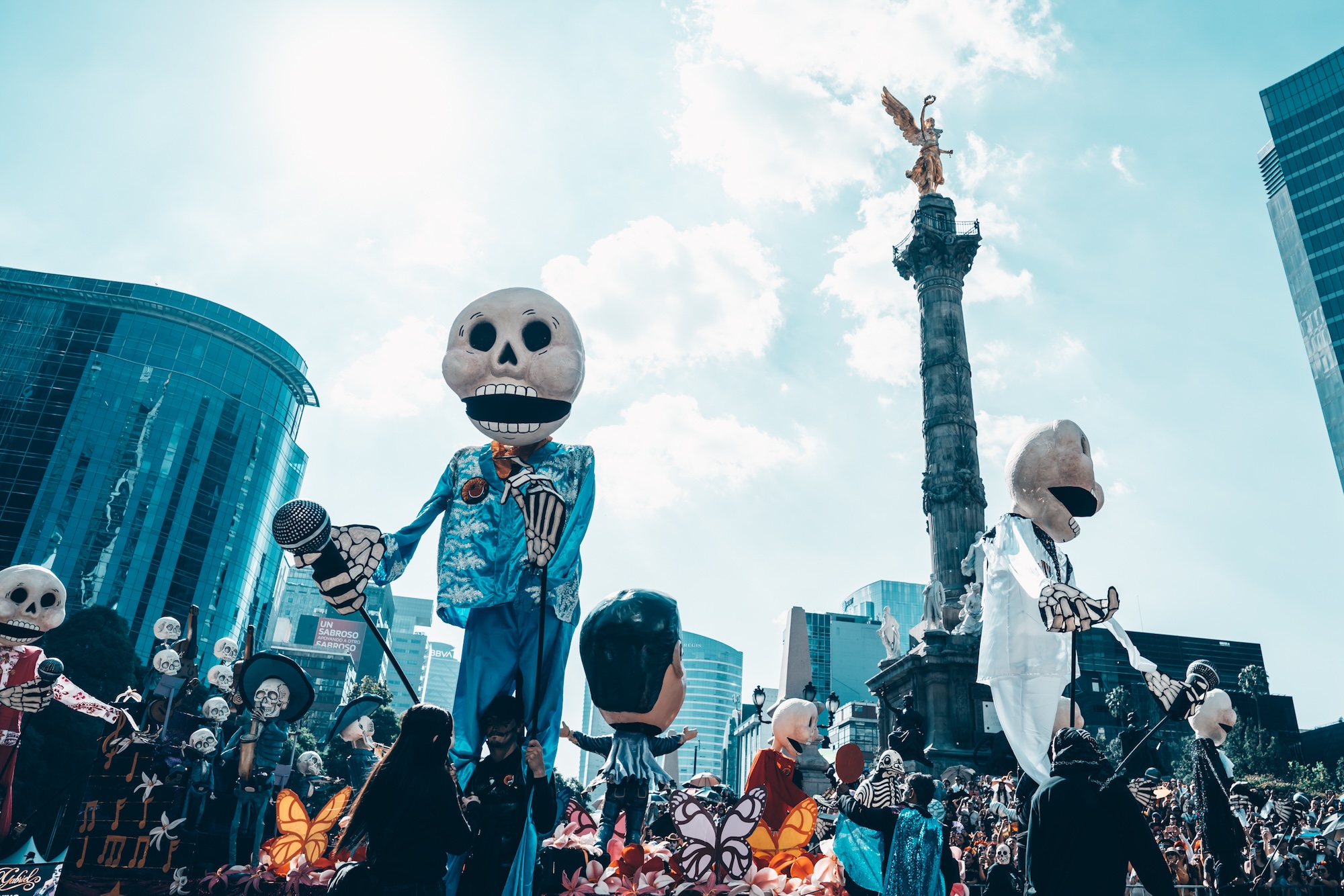
Mexico City Día de Muertos grand parade, Oct. 31, 2026. Photo by Jon Bauer
Women in blooming marigold dresses, crowd sing-alongs, cheerleaders with orange pompoms, marching bands, stilt walkers, and folkloric dancers—including the stunning Danza de Tecuanes Azules (“dance of the jaguar”), which originated in the state of Guerrero—rounded out the parade.
When a giant Mexican flag passed, the crowd chanted, ME-XI-CO! And, Mexico, especially the La Secretaría de Cultura de la Ciudad de México, should be proud. The parade was a stunning representation of the rich Mexican culture (and way more organized than the parade in the Bond film).
The season culminated with family cemetery visits. Panteon Xoco hosted a variety of families. Some memorials included modest flower displays, some with intricate floral designs, others with large papier-mache Catrinas or skeletons. One family prepared an elaborate feast for their departed, others feasted themselves, some families hired mariachi bands to honor loved ones.
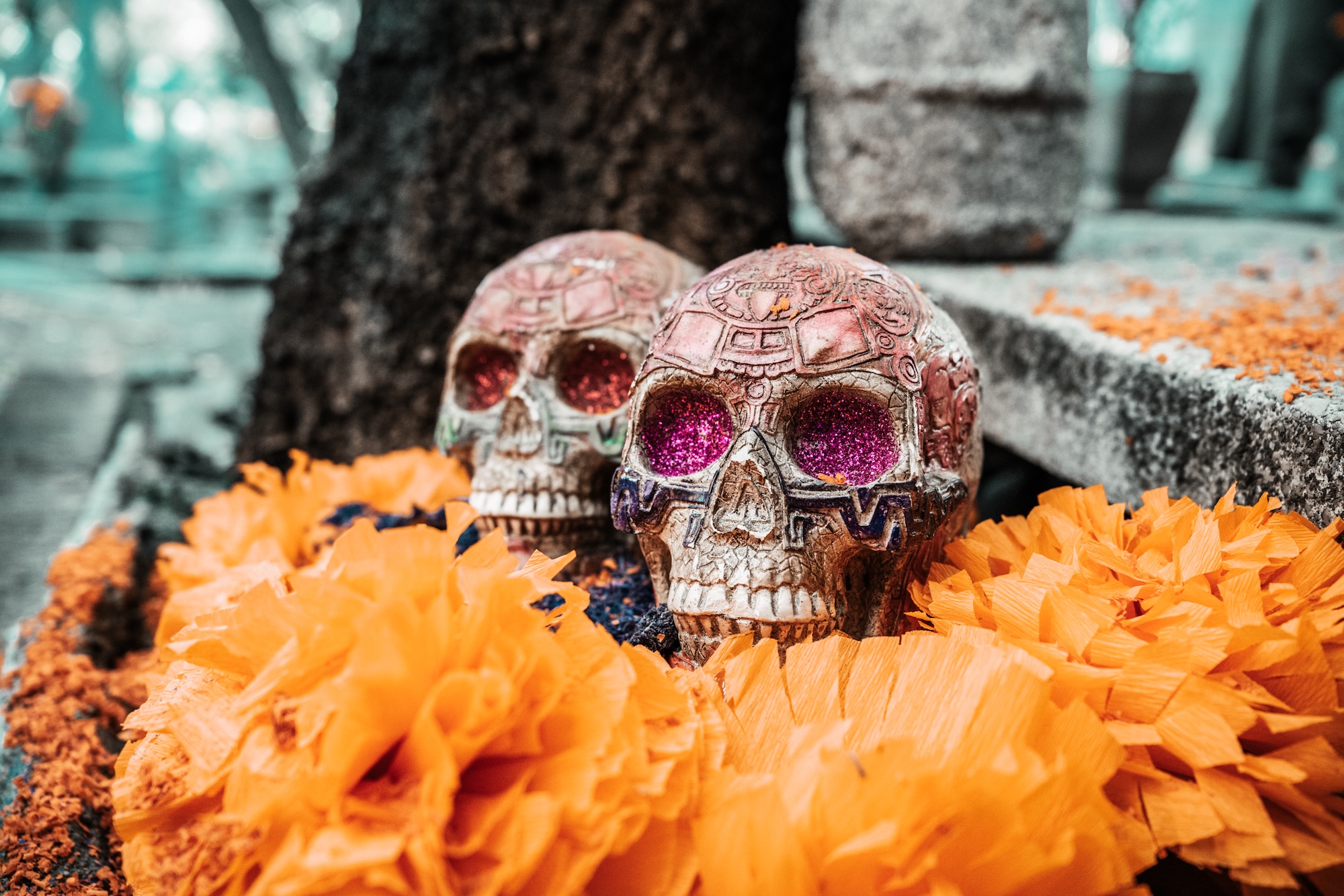
At Panteon Xoco cemetary, Nov. 1, 2026. Photo by Jon Bauer 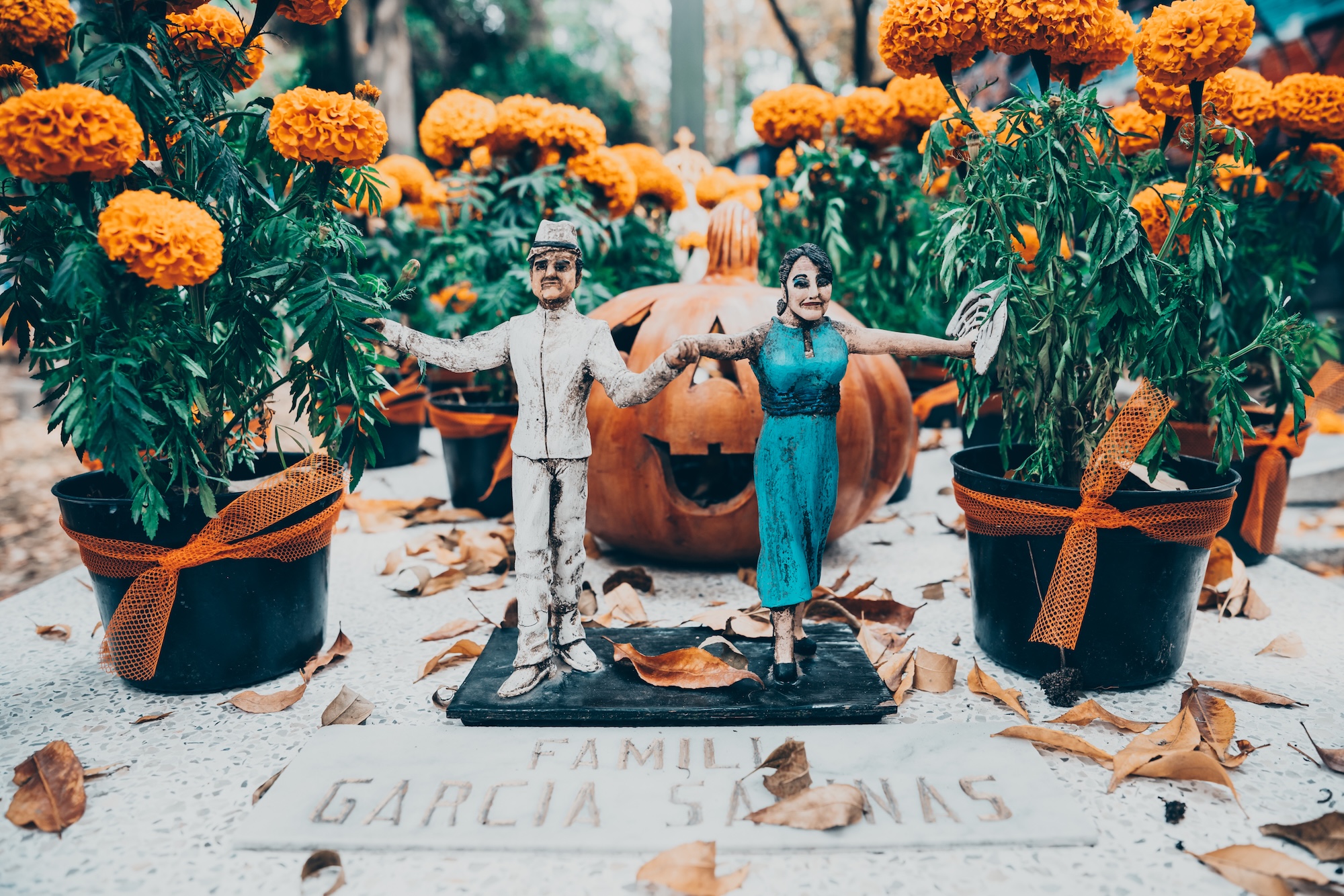
At Panteon Xoco cemetary, Nov. 1, 2026. Photo by Jon Bauer 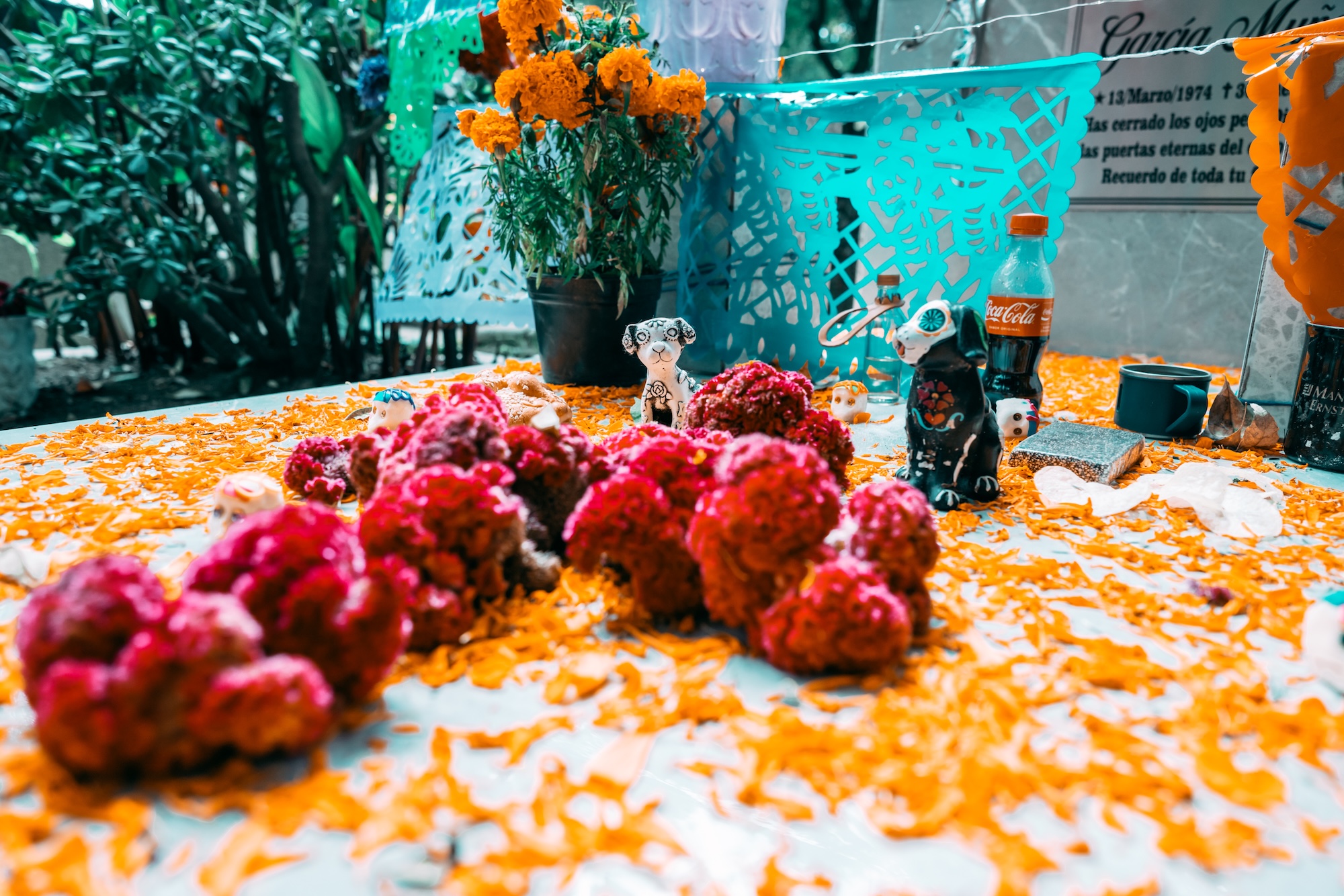
At Panteon Xoco cemetary, Nov. 1, 2026. Photo by Jon Bauer 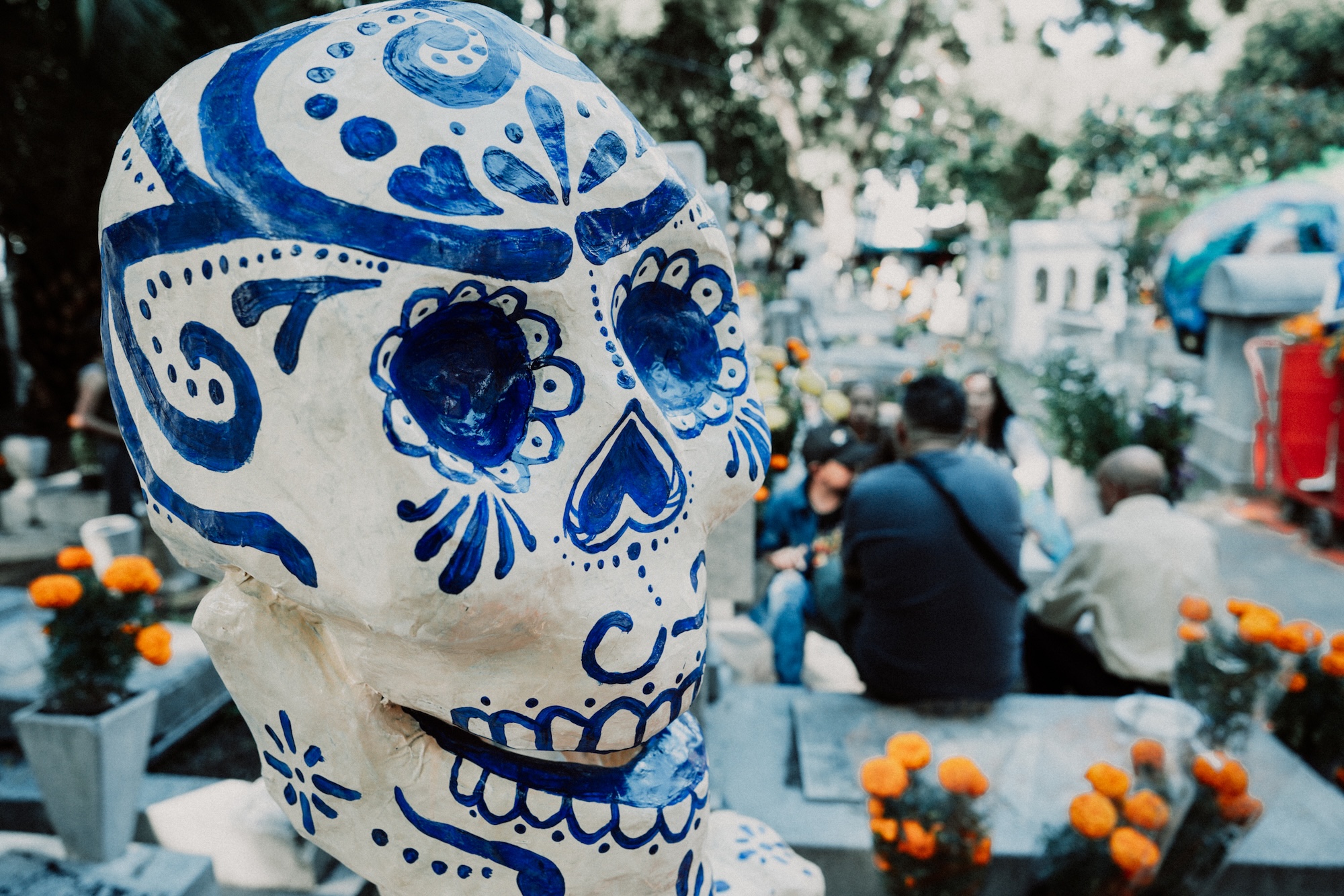
At Panteon Xoco cemetary, Nov. 1, 2026. Photo by Jon Bauer 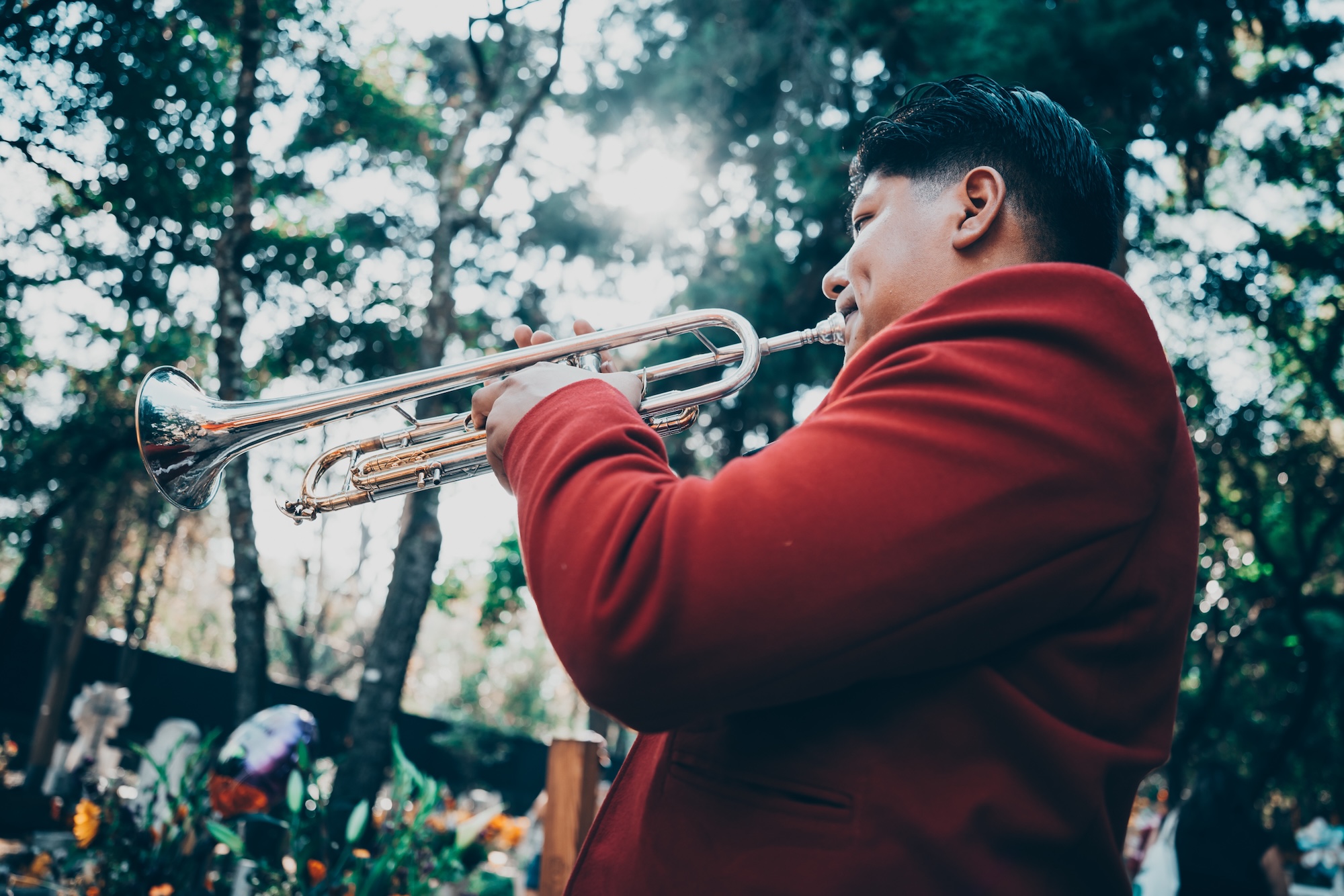
At Panteon Xoco cemetary, Nov. 1, 2026. Photo by Jon Bauer 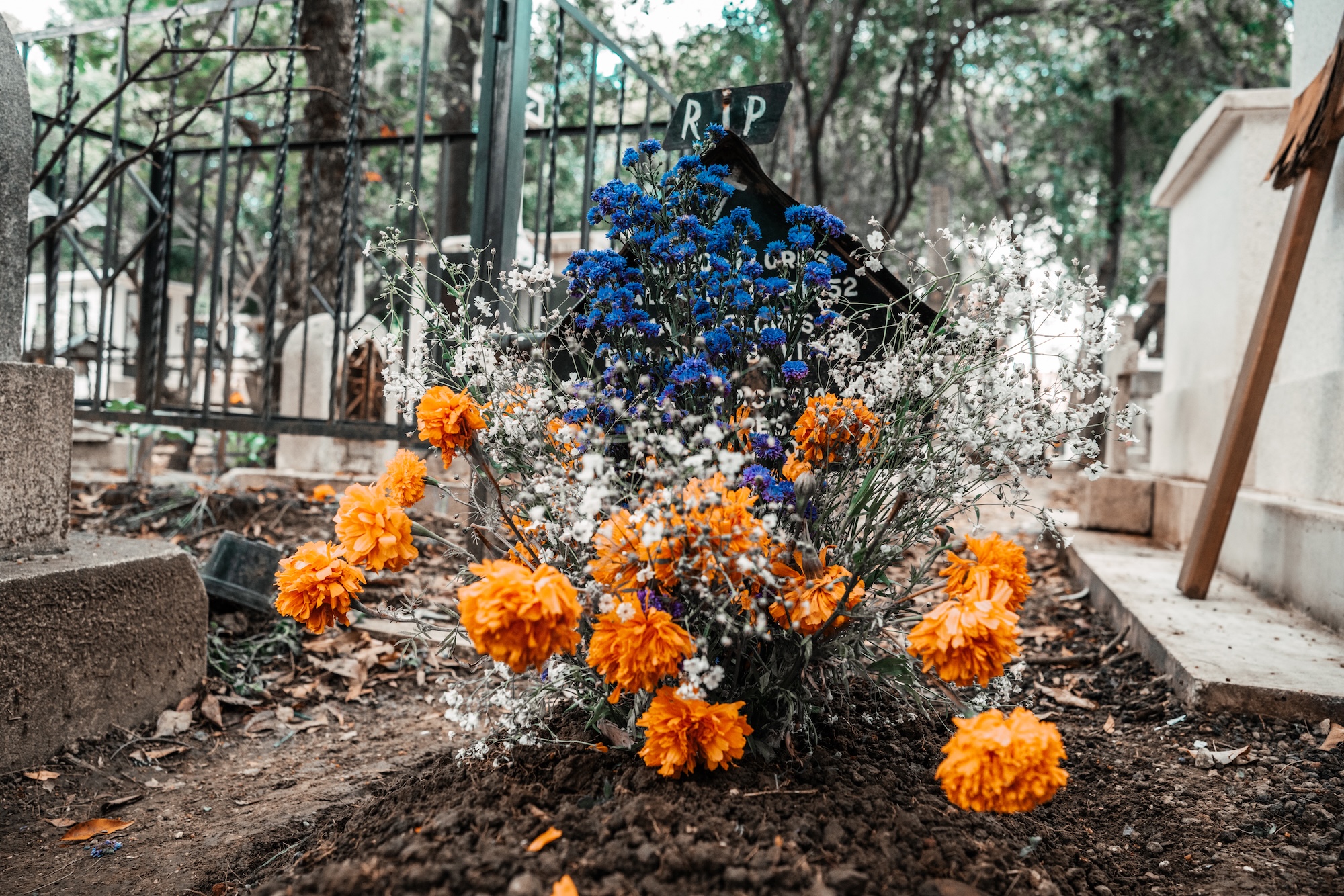
At Panteon Xoco cemetary, Nov. 1, 2026. Photo by Jon Bauer
Someone left a touching message: “Congratulations! You are going to be a great-grandma. We miss you a lot.” Even the telecom company advertising with photos of Catrinas giving out paper marigolds didn’t dampen the evening.
Leaving the cemetery, one vendor had a few poinsettias nestled amongst the marigolds. Life does go on; Dia de Muertos season gives us the time and space to remember those we’ve lost and treasure the time we all have. —Patty Riek