National Crab Meat Day was a month ago—but don’t worry if you, like me, missed it. International Crab Day is right around the corner on April 26. We’re in the middle of recreational crabbing season, approximately November through June every year, and there are plenty of opportunities to feast on crustaceans.
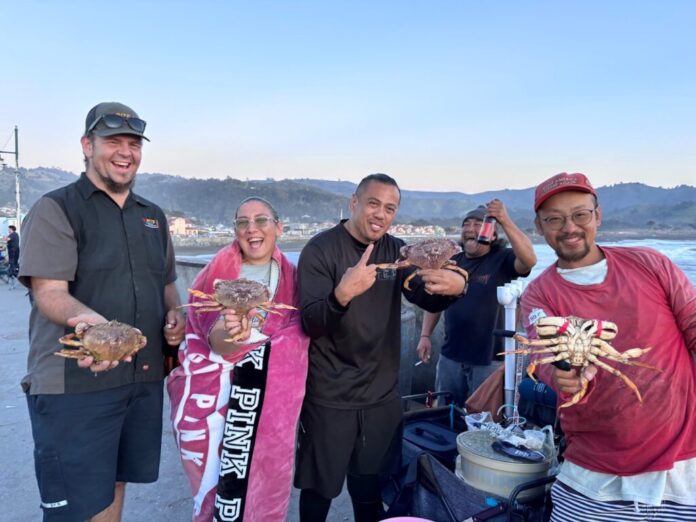
According to multiple fishermen, including ones I spoke with at hotspot Pacifica Pier, crabbing has exploded in the last few years, after the height of COVID. You can easily join in on the enthusiasm: There are active online groups such as Northern California Crabbing, Crab Harder, and Baddies Who Crab (the latter two are women’s groups). There’s West Coast Crabbers, a crabbing community hosting its fifth birthday party at Baker Beach on April 11.
And there are multiple crabbing and fishing influencers, Alex Goffo says, who have helped propel the popularity of the relatively simple, low-commitment, and novel activity. Alex has led Art of Crabbing tours since 2016, introducing novices to the adventure.
“Going out and hunting for your food is cathartic, instant gratification,” Alex says. “The likelihood of catching is far greater and quicker than fishing. So for people who have ADHD, like me, it’s better.”
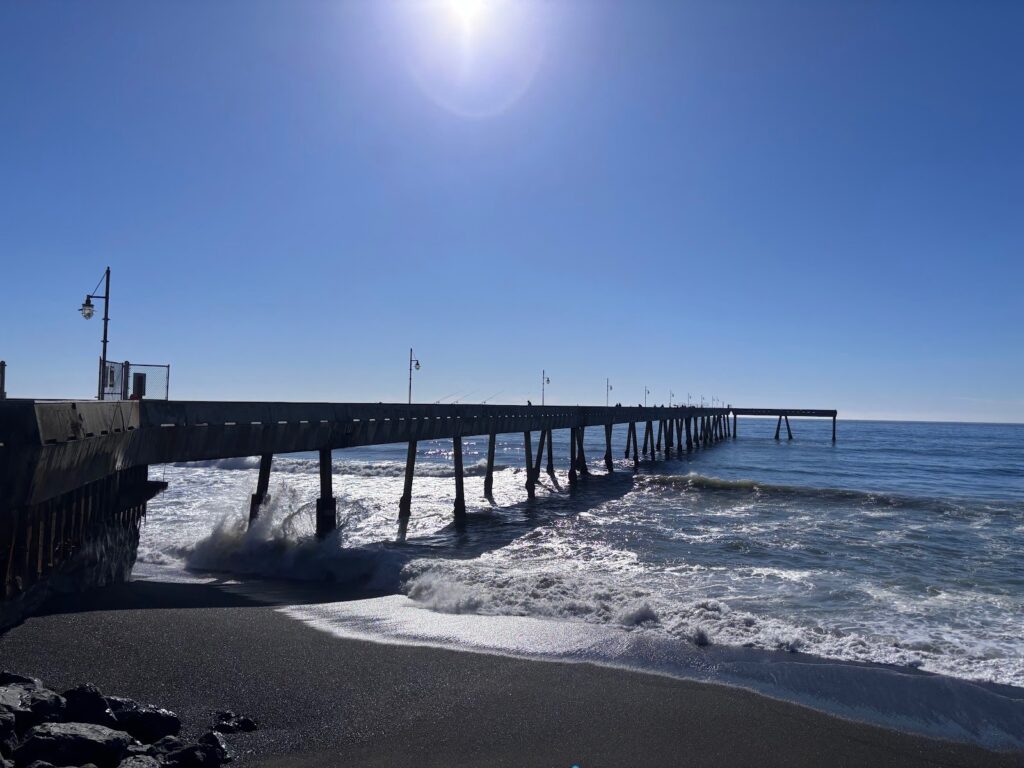
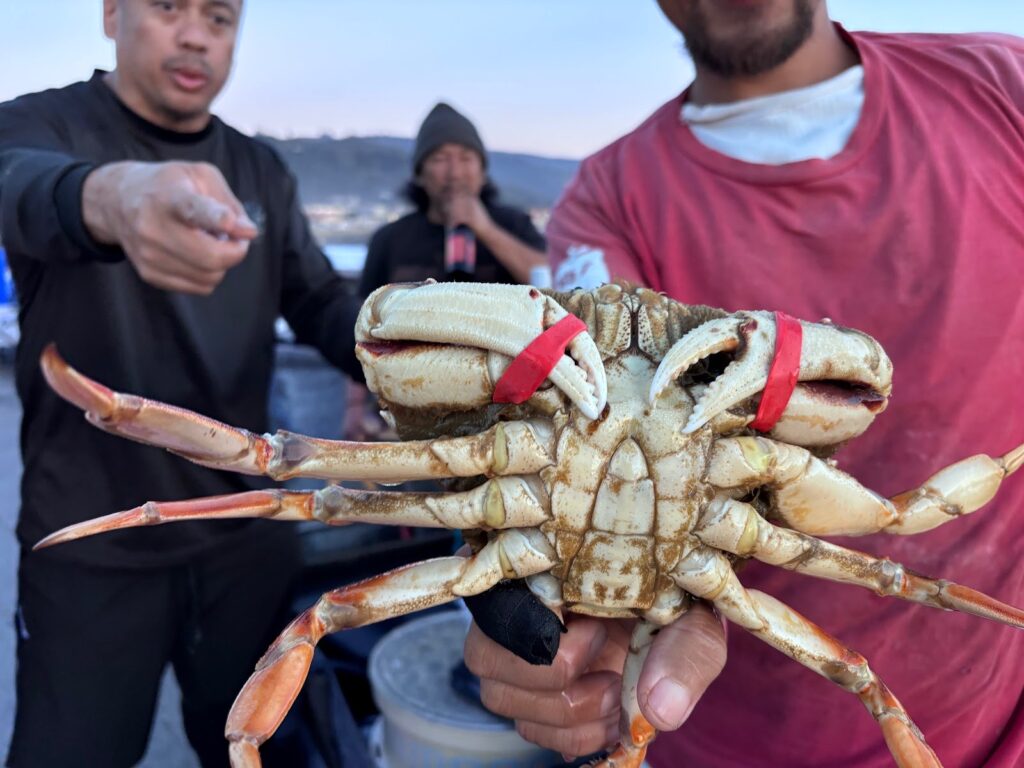
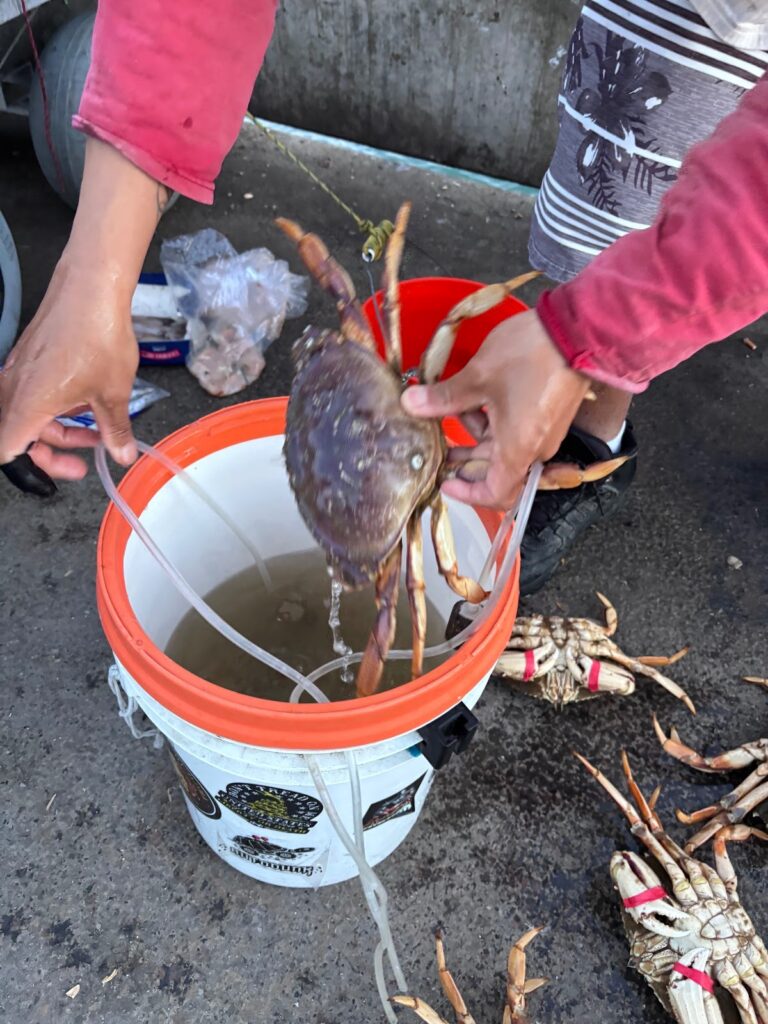
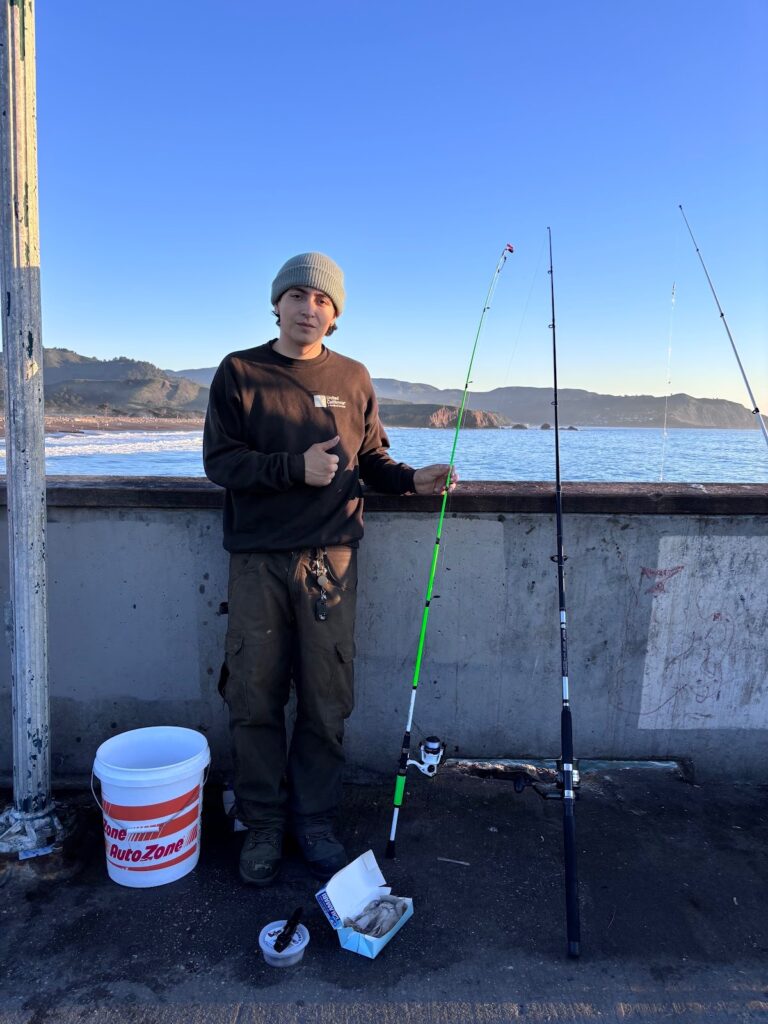
I decided to try it, borrowed a pole from a friend, and headed to Pacifica Pier. I’ve never really fished, but it worked out. I didn’t catch a crab myself (despite having three on the line which fell off), but I went home with one thanks to the generous fishermen.
So, the DIY plan:
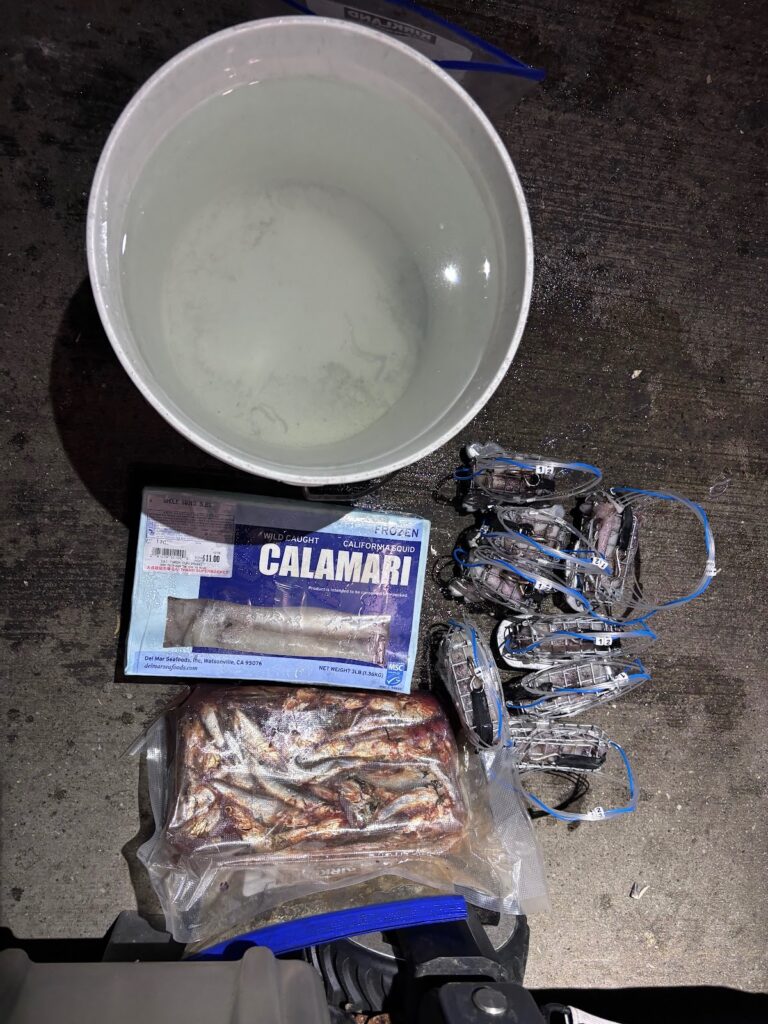
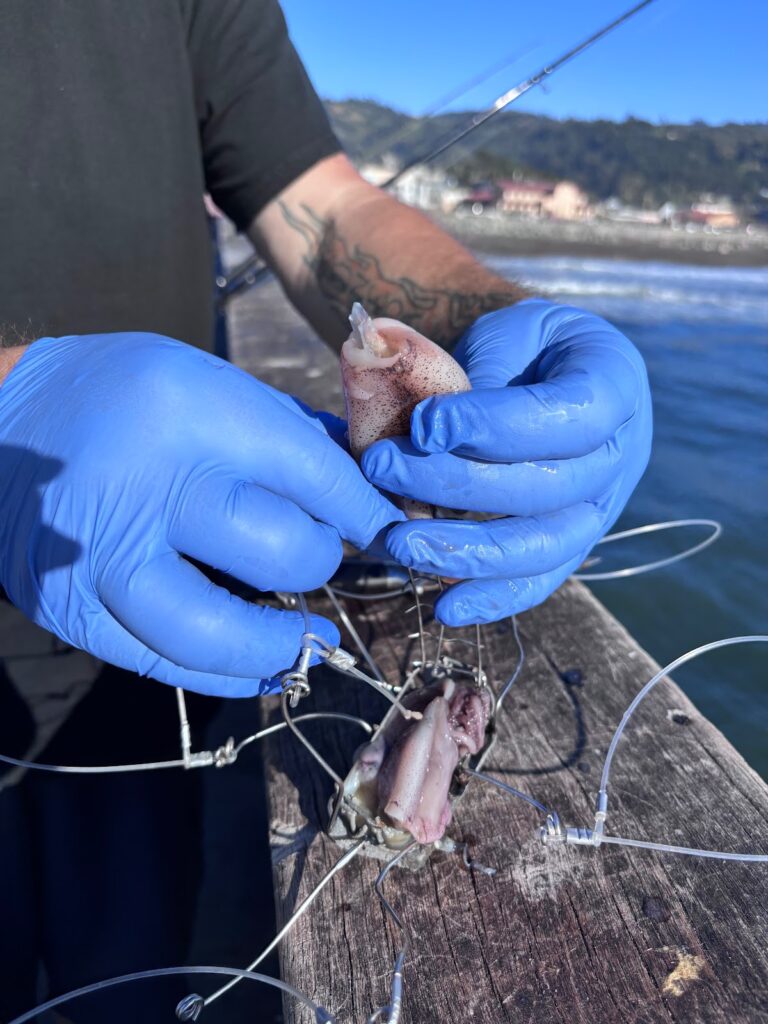
Borrow a pole or buy one cheap from Facebook Marketplace. Bring a bucket, water, and a measuring tool, required by law to accurately measure the minimum legal size of your crab (5.75 inches for Dungeness crabs and four inches for Rock crabs). If you want to be extra prepared, pack some plastic gloves to handle the bait (anything you touch will smell), a rag, a hat, sunscreen, hydration, and other responsible items for a day outside. Perhaps some liquor to share. Go during slack tide, when the water is stillest.
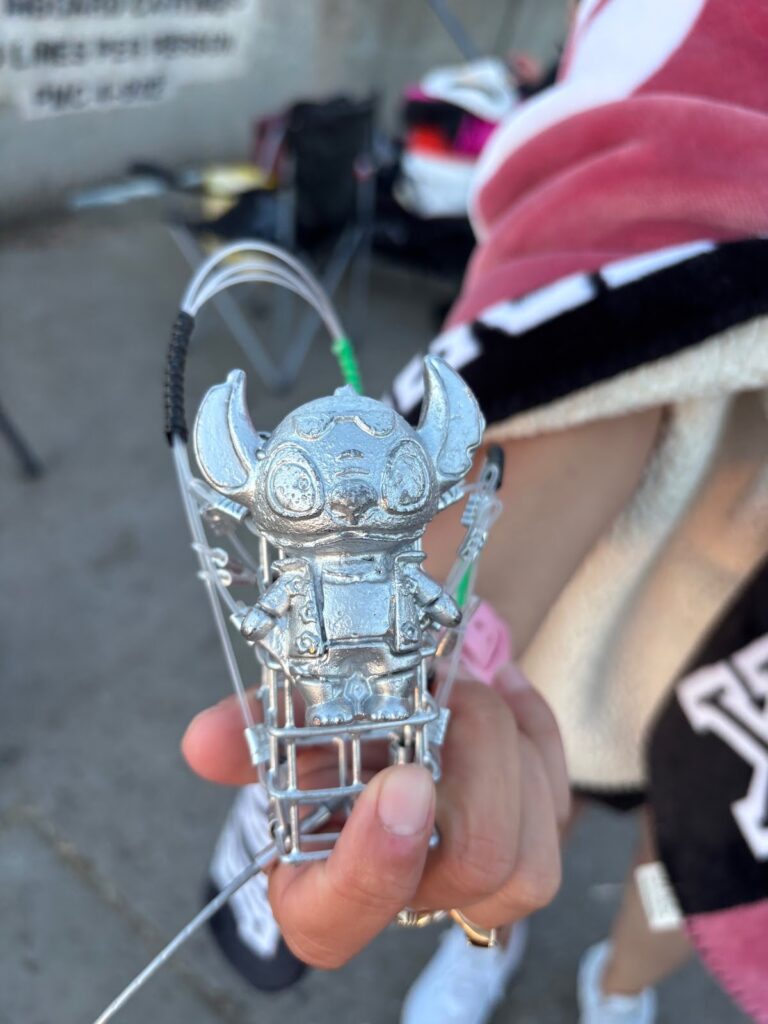
The rest is at the pier. You can buy snares (bait cages with loops to trap the claws) from fishermen and bait (squid, anchovies, etc.) from the Chit Chat cafe at the pier’s entrance. Danny, Ed or anyone who’s out there will show you the way.
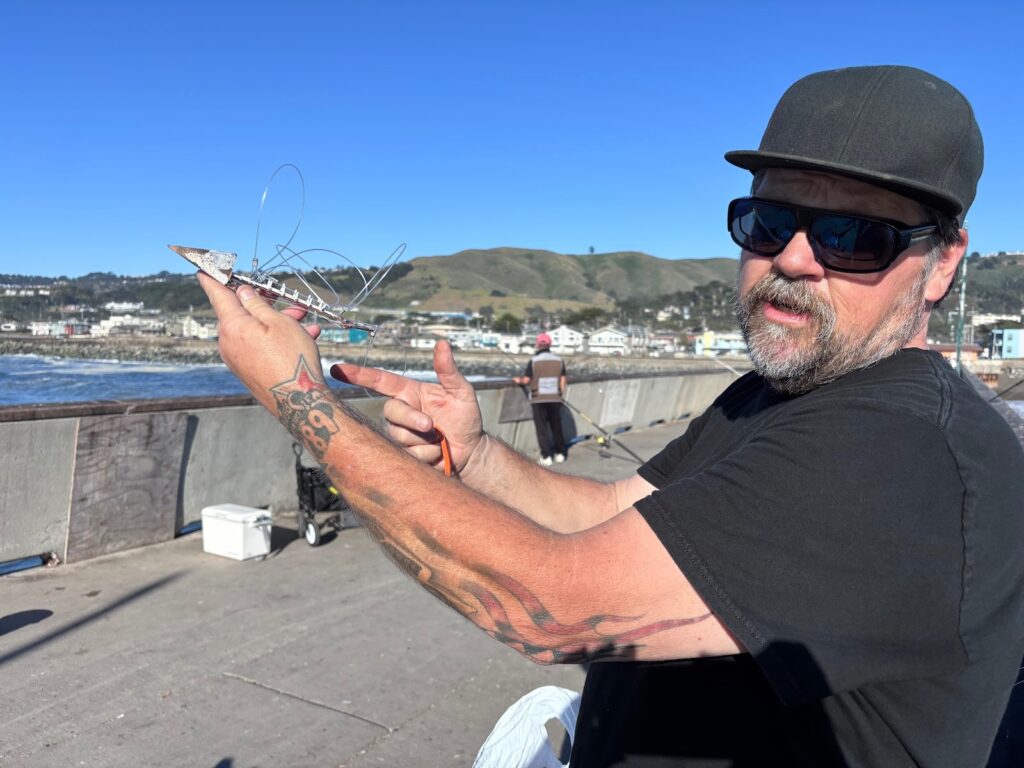
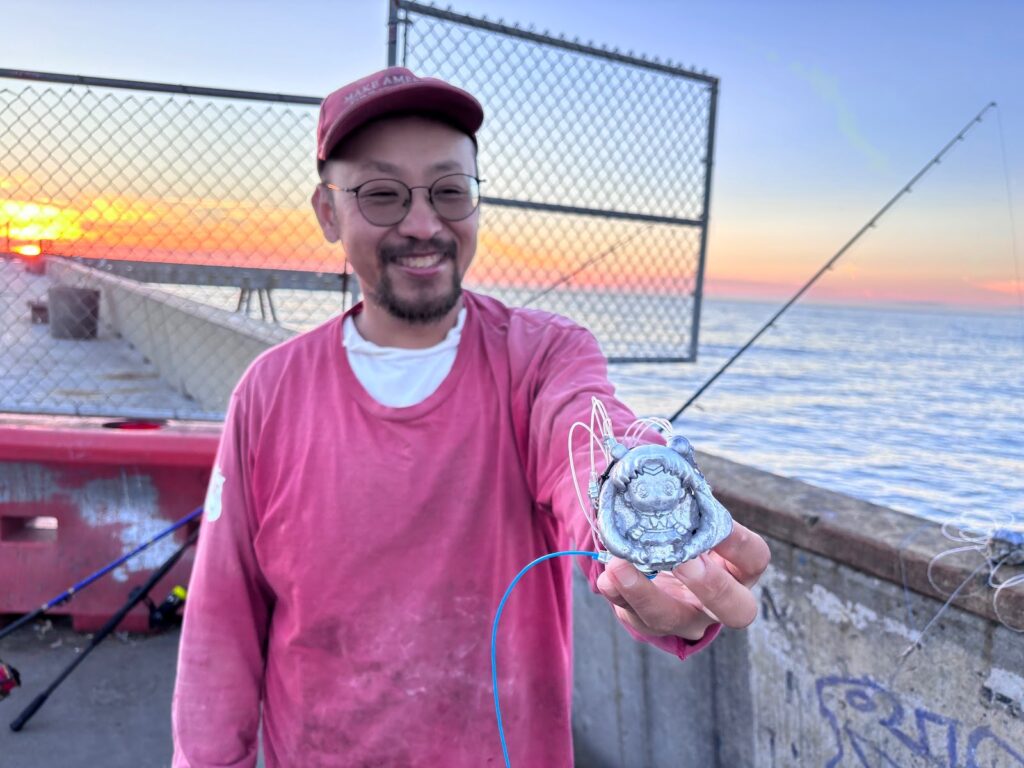
For further guidance and a more group-oriented experience, Alex’s Art of Crabbing tours start at $70 for three hours. His classes fill quickly.
While you need a license to fish along the shoreline, Pacifica Pier is free, and from there you can keep the Dungeness crabs you fish (the limit is 10), and also find smaller rock crabs (35).
Regulars know each other. Jason, from nearby Linda Mar, is out here even when he’s not crabbing. He rarely keeps the crabs he fishes anymore since his family doesn’t eat them, and often gives them to friends, neighbors (one traded him a blue marlin), and his dad, who asks Jason to fish them for his girlfriend. You can’t eat roses, after all.
Nearby, Ed points out a flash of misty rainbow that appears in the crash of a wave. A blubbery sea lion with glossy obsidian skin swims just under the pier. “It’s always nice out here. Except for that fence,” Jason says.
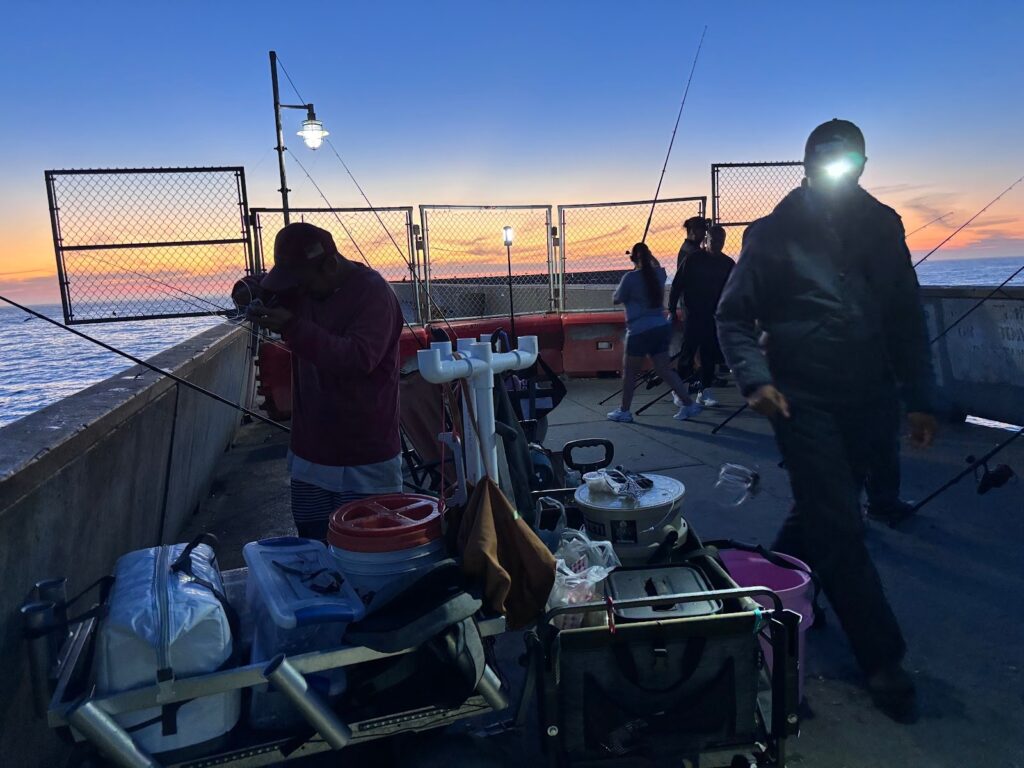
Roughly halfway up the L-shaped pier, a fence cuts the stretch in two. After a storm caused $20 million in damages, prompting a full closure in December 2023, the pier partially reopened February of 2024.
Even after regaining some access to the pier, Jason and other fishermen say the crabbing is worse. Fishers will now cast their lines into the water as far out as they’ll go, and rest their poles on the fence. There’s less space and access to deep water on the pier, and more competition. Local businesses including the cafe and tour guide Alex say the closure has affected them. During winter, rougher waters closer to the shore also make fishing challenging. Less foot traffic means less people shopping.
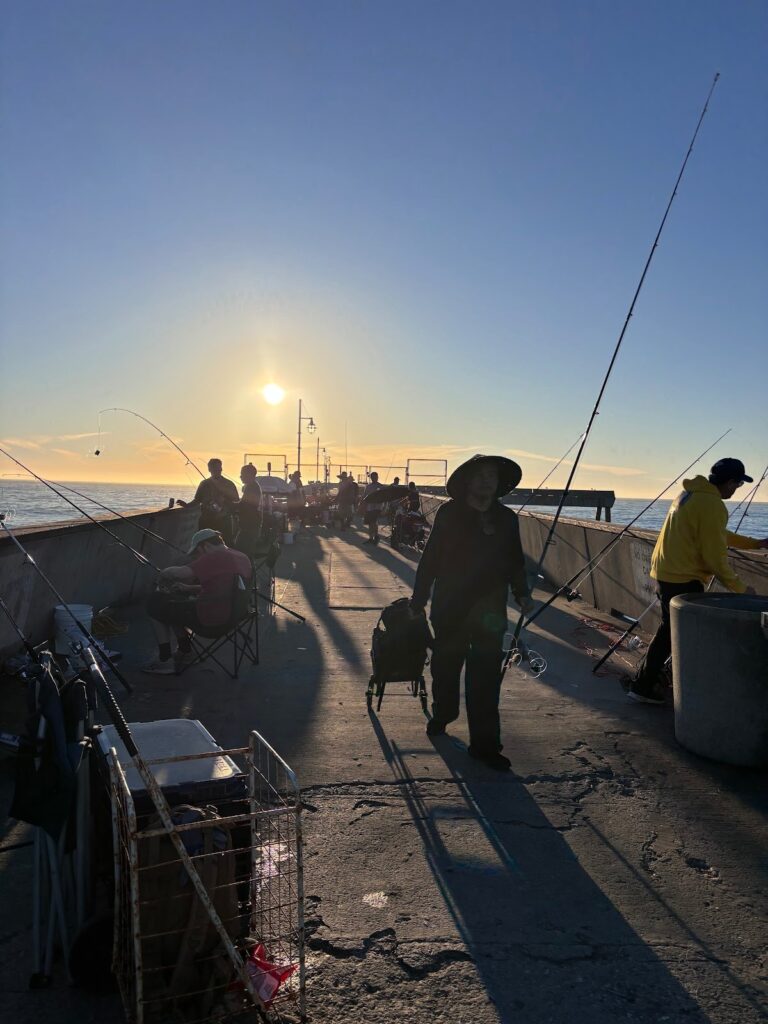
Catching the crab
Even though things are a bit more difficult, Ed says that mostly it’s fine. You can still catch a crab.
To Ed, it doesn’t really matter where you are on the upper half of the open part of the pier. Shove as much bait as you can in the bait box. Maybe strap some on top too for promise. Anything gutsy and odorous works. “Roadkill would be perfect,” Ed says. Cast it, let it sink, and wait five to 15 minutes.
There are different methods for reeling crab in. Some fishers pull the rod upwards first to see if it’s heavy. I can’t tell the difference in the weight on the line in the beginning, but you learn.
When you think you’ve got something, continue pulling up swiftly so the loops fasten around the claw, and start reeling evenly. Do not stop. I stopped (it was too heavy) and lost crabs because once the line tension releases, the loops unfurl.
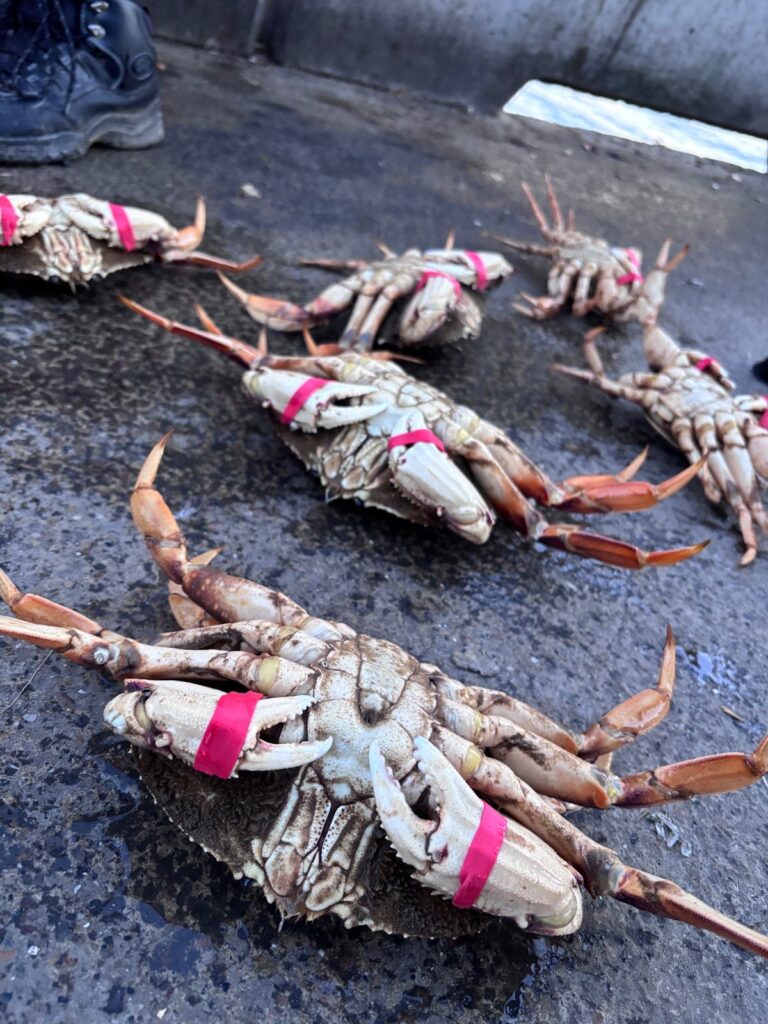
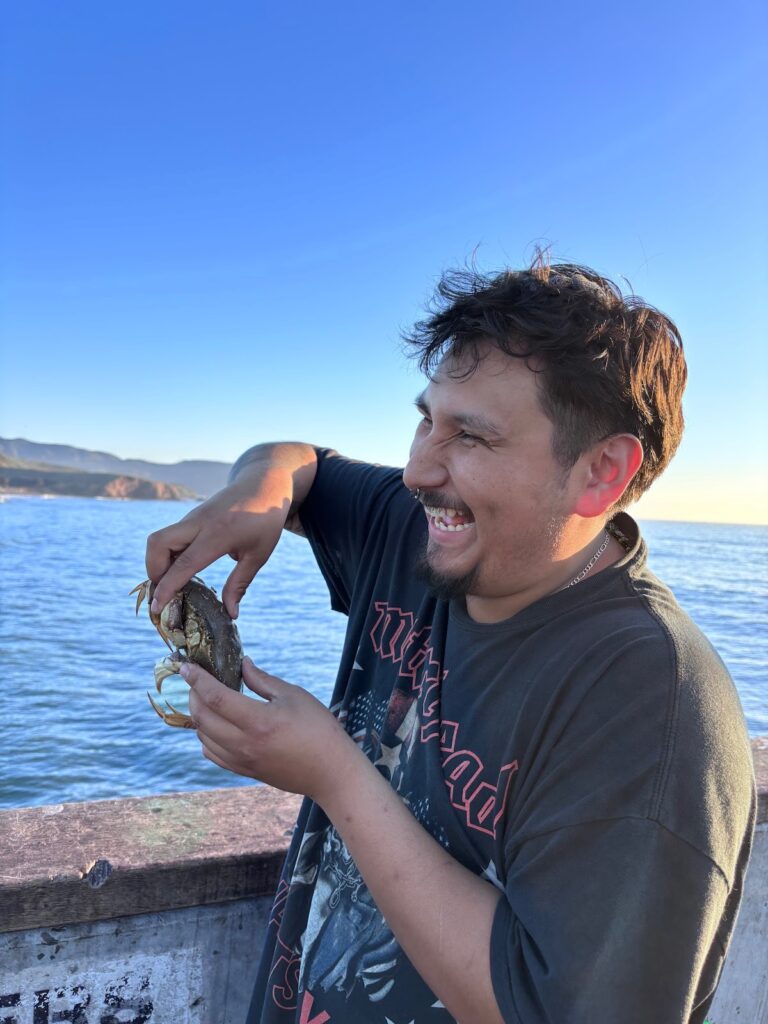
Catch one? Now measure. Grab the back two legs to avoid being pinched, and measure the diameter of the shell. Some people rubber-band the claws, preventing crabs from hurting you and other crabs in your bucket.
Also, watch out for birds eating your bait or flying into your line. Here’s a helpful video showing how a snare catch works:
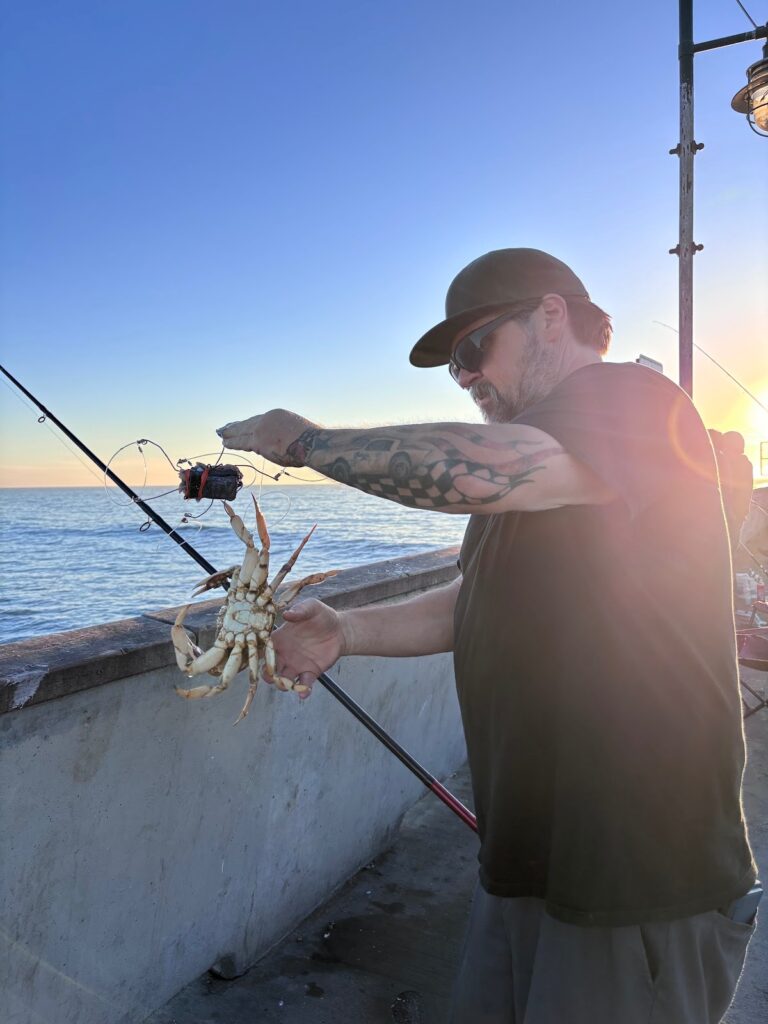
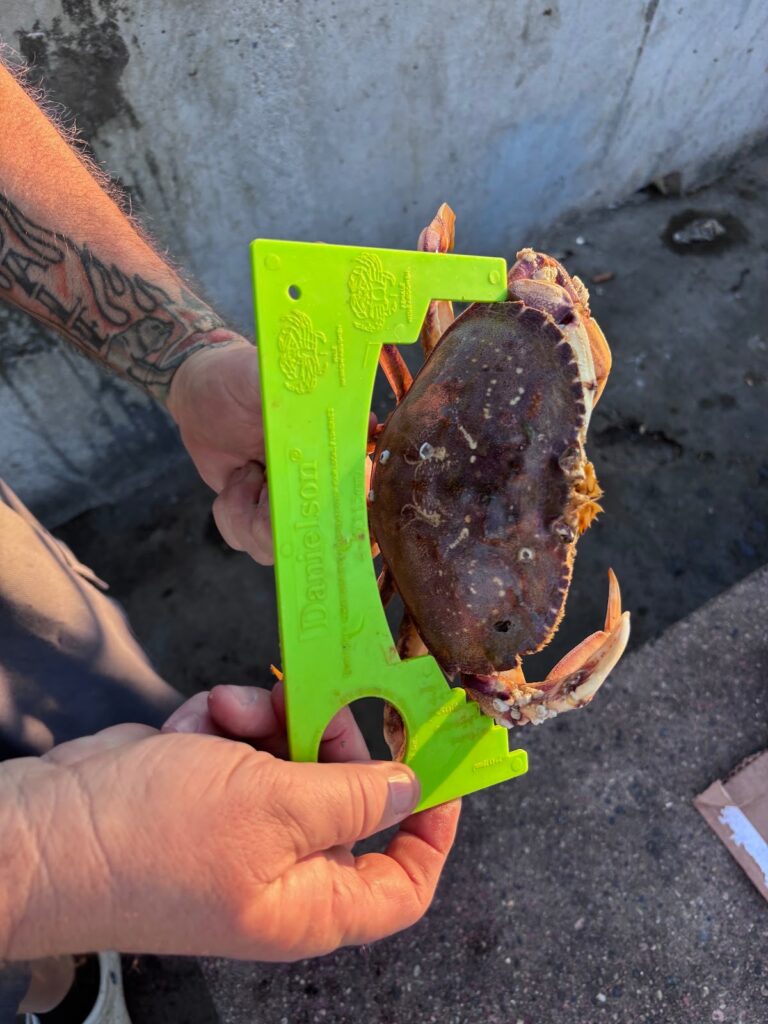
Ed once saw a guy catch a gauge-buster (see terminology guide below), and two extra snares which snapped from other poles. “That’s 60 bucks!” Ed says. A crab at the store is around $20, and so is each snare.
Selling crabs is prohibited without a license, but gifting’s OK. “People will drop a crab in your bucket.”
“Some days, there’s a lot of crabs being caught and everybody’s just having a good old time. So they’re just feeling generous.”
Down the pier, a guy screams, “Let’s go baby! Lessgooo,” as he hurls a crab on the deck. I walk over and meet Dewey, who’s out here most days. When I tell him it’s my first time, he says, “Come over. We’ll show you the ropes.”
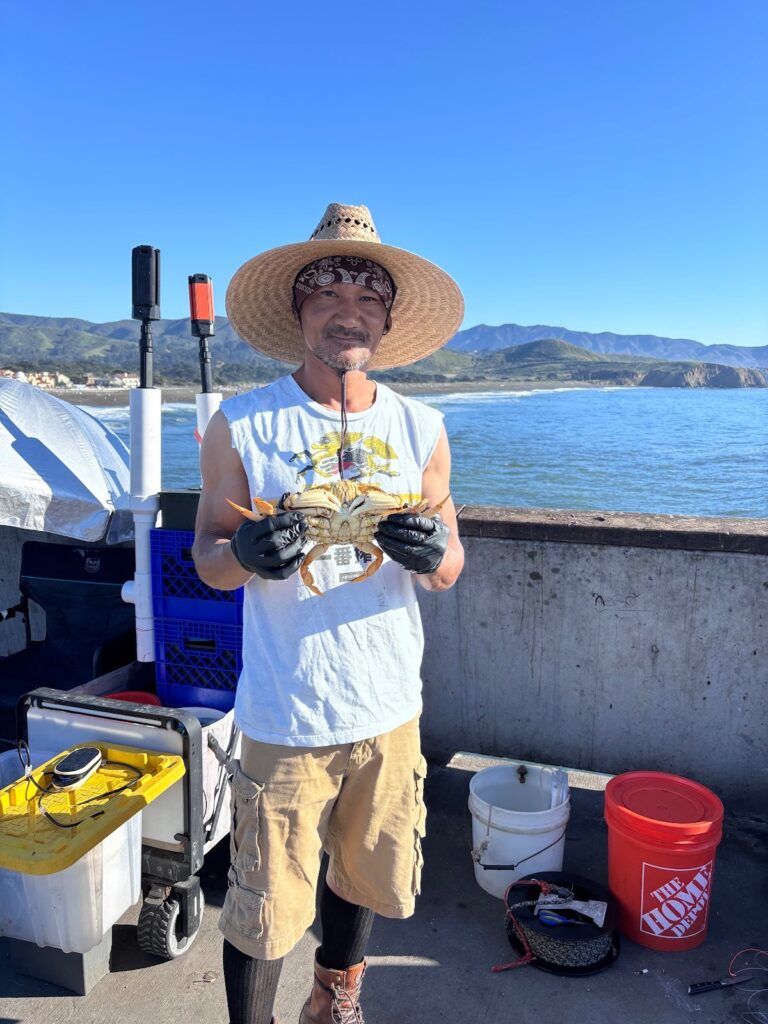
Philosophy of crabbing
At the end of the open pier, the men ask me lots of questions about things I don’t know. Are your snare weights 12 oz? 14? 16? Is your line mono or braided? What weight can it hold? When I shrug, Tommy gets up from his lawn chair and rubs the line between the fingers. “20,” he says. Pounds of force.
“When you spend your whole life fishing, you know.”
People are devout in their crab fishing philosophies and superstitions, and will sell you on it. Some say casting as deep as possible is best, while others say it doesn’t really matter. Mike, another regular, uses 12 oz weights to catch everything, and says it varies with each fisherman’s preference.
One crabber swears by chicken, most effective if it’s gone bad. Fish & Boat Magazine says to make sure it’s fresh—spoiled meat is no good. Coast Monthly recommends chicken neck as bait, but Tommy says he’s never caught anything with it. Chicken breast, though, is fine. “I could be 100 percent wrong,” Tommy admits about his various fishing theories.
I brought chicken necks, but stick to anchovies, which Jay, who works at Chit Chat, recommended. Everyone agrees on squid.
Crab talk
There’s a whole lingo, just like any sport:
Skunked: you go home empty handed.
Casting: what people yell before throwing their snares into the ocean.
Keeper: a crab that satisfies the minimum legal size of what you can keep.
Gauge-buster: a crab bigger than your crab-measuring gauge.
Handjob: when someone pulls your line up by hand for you because it’s so heavy. (Ed’s heard someone yell this when they’ve had three keepers on the line.)
Limiting: when someone has caught 10 Dungeness crabs, the legal limit of what you can keep.
Credit-card short: when it’s one credit card thickness short of the requirement. You feel like you’ve been snubbed.
Paper short: even worse.
“It’s not worth it,” Tommy says about keeping an undersized crab. The fine is hefty, and officers will check. It’s also unethical and leads to overfishing. Crabs molt as they grow, so their shell diameter is directly related to their age.
Night fishing
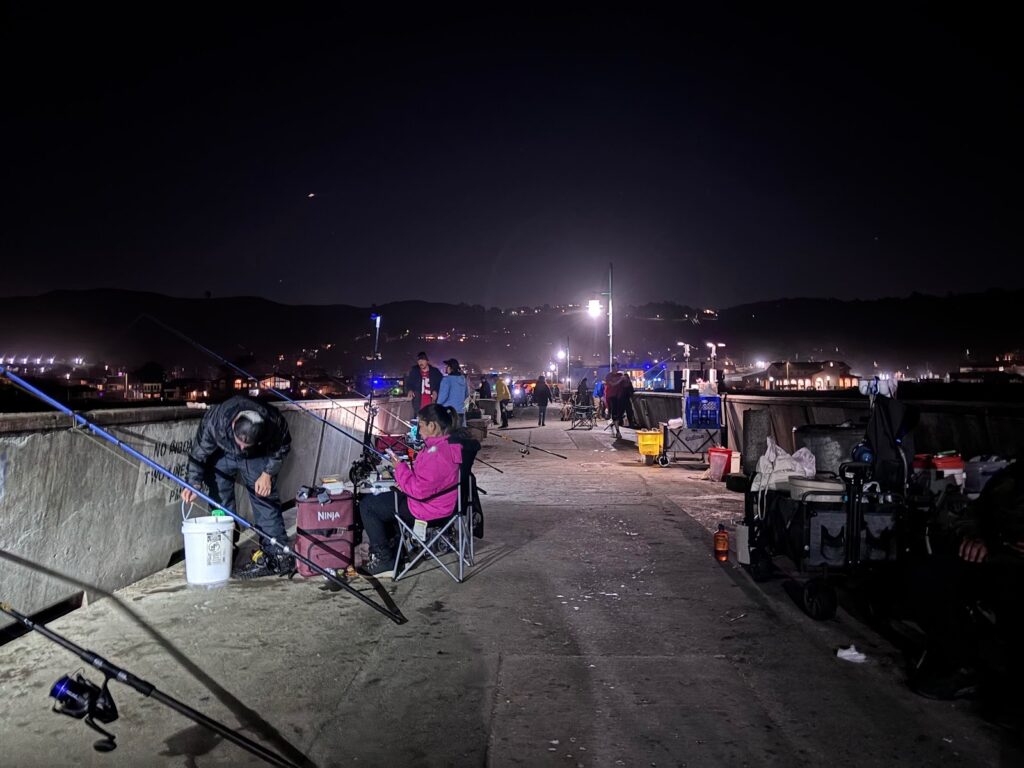
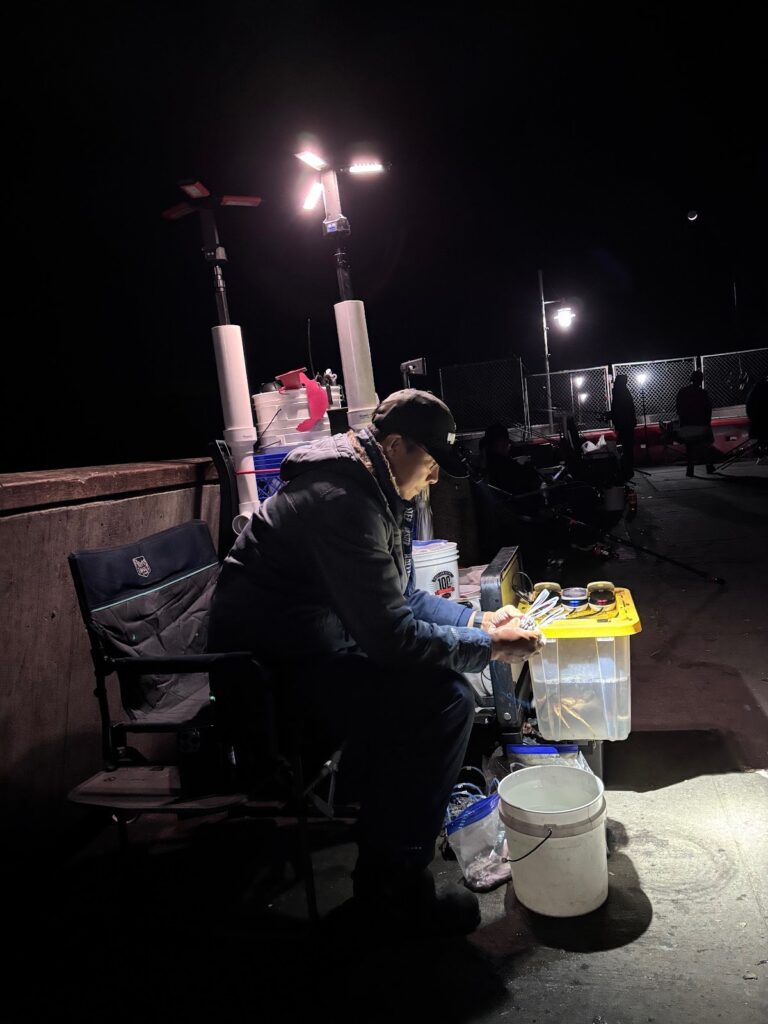
“This is the night crew now,” Tommy says a little after 8pm. It’s busier.
After one man reels in my line, another shoves his own chicken bait in my snare. Then they cast it back out for me. It’s very endearing, and doesn’t feel condescending. They genuinely want to help.
While it’s mostly men on the pier, there are a few women and it doesn’t feel as unbalanced as it looks. Everyone I meet is friendly and generous. Danny keeps letting me reel in his poles so that I can say I caught a crab, which we do.
There’s music playing. Beer. Dumb jokes, and discussing bucket lists.
Cooking your crab
For some, cooking their catch might be the worst part. Crabbing tour guide Alex says sometimes, once clients see the animals up close, they don’t want to take them home.
While studying hospitality at Chico State, Alex worked in sushi restaurants and made “tens of thousands” of imitation crab rolls (with bottom-dwelling fish, mayo, and food coloring). Most people didn’t know what they were eating. It was “detached,” Alex says. He prefers the real thing.
After working to catch one, a big part of crabbing is the connection that comes with “holding the live crab in your hands, knowing that you’re going to take its life, and understanding that this creature lived. It comes down to respecting the animal. You should eat all of it, enjoy it, and give thanks for its life.”
There are credible studies and physical evidence that crabs feel pain, including writhing and shedding limbs from shock while boiling. There are more humane techniques that lead to better cooking, since a crab that is less stressed while boiling will stay intact—helpful because otherwise water floods the crab and diminishes flavor, online blogger Andrew Fletcher explains.
While the most humane way is electrical stunning followed by boiling, you, reader, as I, may not have such equipment in the top drawer. Next best is piercing their nervous system, which Fletcher also explains how to do. Some online guides recommend freezing the crabs for 15 minutes before dropping them head-first in heavily boiling water. It should be noted that it’s not well understood if chilling causes insensitivity (the practice is even banned in Switzerland) according to the Royal Society for the Prevention of Cruelty to Animals.
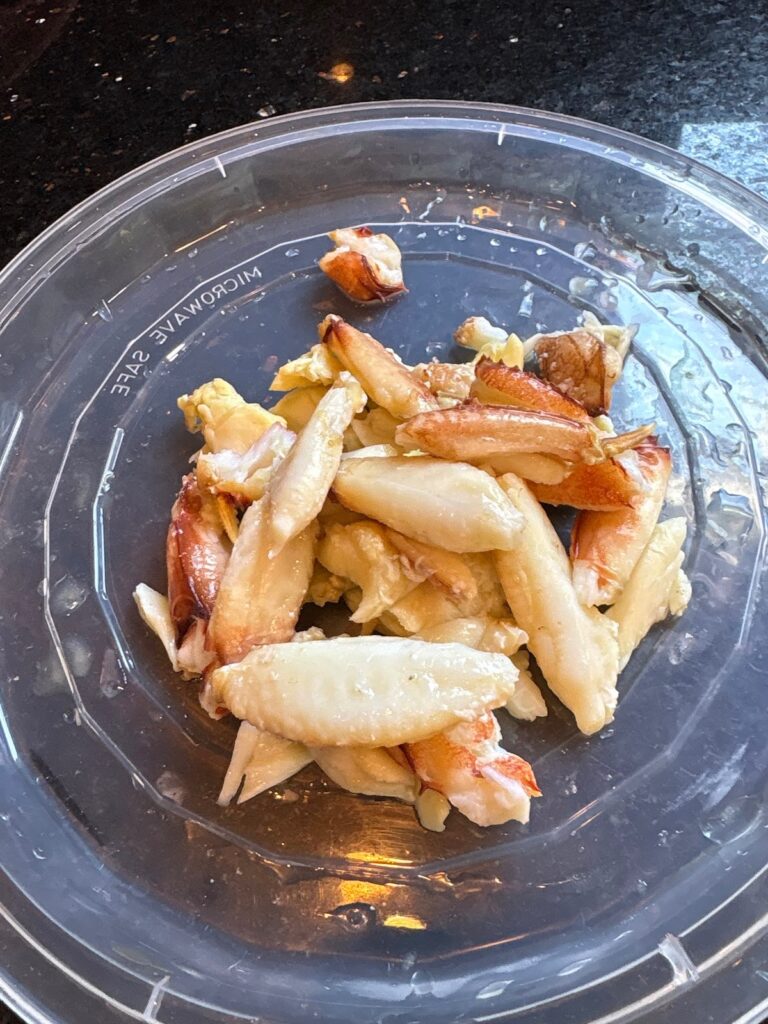
For those who indulge, one crab yields at least one tasty appetizer. For those who like the outdoors and camaraderie of a friendly community, Pacifica Pier awaits. Now, get out there.