
Want more of Tim Redmond’s incisive analysis and reporting? Subscribe to his weekly Agenda newsletter for stories you won’t find on the site.
It’s hard to avoid comparisons between Zohran Mamdani and Daniel Lurie these days. Two unlikely mayors, taking over troubled cities. There are the contrast stories.
There are the stories that say they aren’t that different.
But as we get close to the one-and-two-year anniversaries of the elections that put them in office, it’s worth looking at some basic facts. They show that Mamdani and Lurie have operated at the opposite ends of the political spectrum.
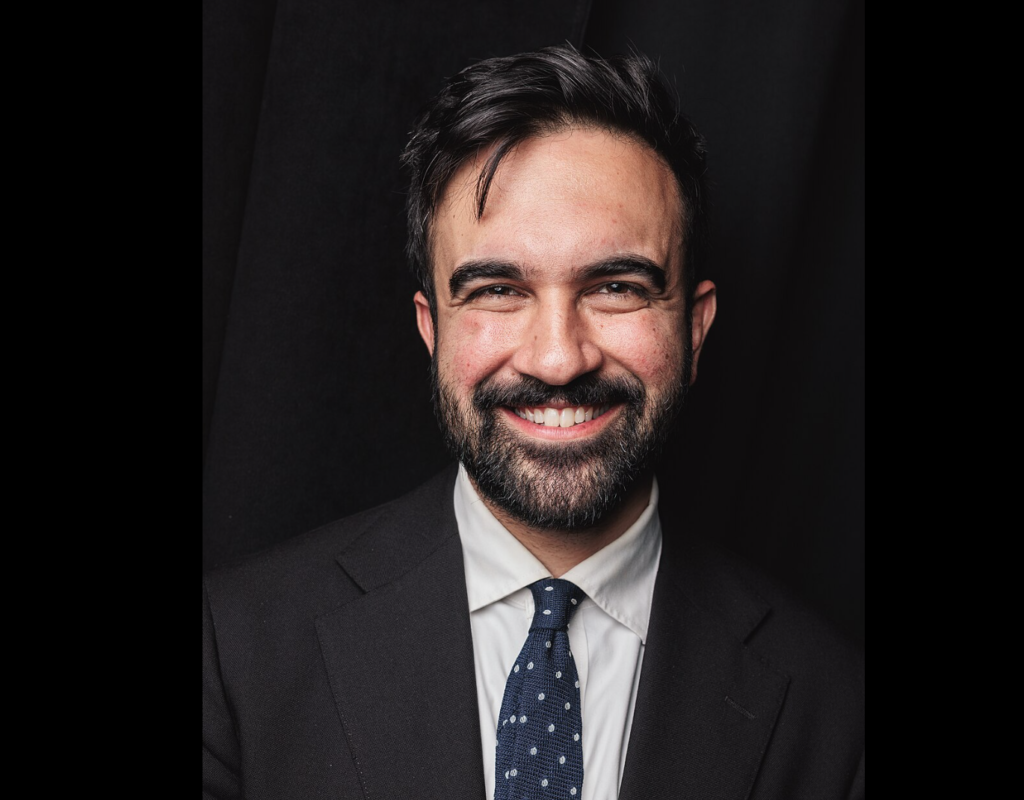
Mandani is using local government to make the city safer and more affordable. Lurie is allowing Big Tech to take over local government, celebrating a boom that has caused rents to soar and evictions to rise to alarming levels.
Mamdani froze rents on more than 1 million apartments. Lurie has refused to consider anything that expands rent control. Mamdani is raising taxes on the rich to pay for better transit and affordable child care. Lurie opposes any new taxes on the rich and has tried to eliminate a tax that funds affordable housing.
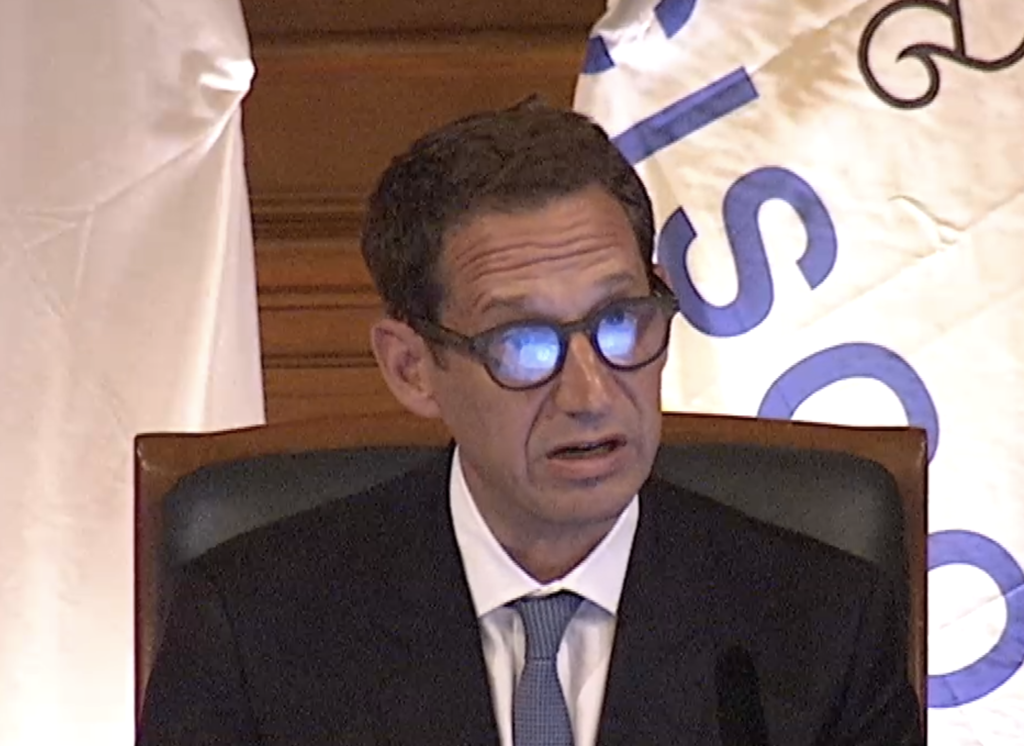
Lurie is making it more difficult for unhoused people to get housing and is relying on the private sector to solve a crisis that the private sector created. In the process, he’s filled the county jail with people who suffer from mental illness and substance use problems.
No comparison, really.

The Big Tech takeover of local politics, which has turned the SF Democratic Party into a laughingstock, just gets worse and worse. Last week, crypto billionaire Chris Larsen put $500,000—that’s right, half a million—into an independent expenditure committee to support Theo Ellington for D10 supe. We have never seen anything close to this kind of IE money is a district supe race.
Larsen doesn’t live in D10. He doesn’t, as far as I know, have any businesses in D10. Why does he care that much who the D10 supervisor is?
A few thoughts.
Big Tech wants total control of the city. Right now, a majority of the supes side with the mayor and the tech companies, but there’s an election in November, and it’s possible, if unlikely, that the situation could change.
The incumbent Supervisor Shamann Walton has been in independent voice, unafraid to take on the mayor and Big Tech. Walton has endorsed D. J. Brookter. Brookter supports rent control, affordable housing, a public bank, and development that doesn’t displace existing residents. From his platform:
We should not demolish existing affordable or rent-controlled housing to build new housing when viable alternatives exist on vacant or underutilized sites that would not displace tenants.
He’s not the kind of candidate that the libertarian Big Tech folks want to see in office.
Also: Larsen and his allies support more police drones, and it’s likely that if the cops get more surveillance, it will start in Bayview Hunters Point. The SFPD spy unit operates out of Larsen’s Ripple Labs office.
Walton told me:
I think it’s pretty disgusting to see something like this happen in San Francisco. This truly makes me wonder what could be going on behind the scenes. We have never seen a donation like this in a supervsior’s race. I believe voters will see right through this because District 10 is not for sale. Elections have always been competitive (as they should); it’s hard to understand why this is legal.
Whatever the specific motivations, this is another profound and serious step in the Big Tech takeover of City Hall.
The Planning Commission will consider Thursday/10 an application that would allow a developer to demolish a seven-story downtown building that once housed Golden Gate University and build … we don’t know.
It’s a weird application. The developer wants to tear down the building at Mission and First, but it’s not clear what would replace it. The application says the developer will build
one of two distinct land use programs (“variants”). The first variant (the “Commercial Variant”) is a 700-foot-tall (752 feet to the top of the parapet), approximately 1.22-million-square-foot building that would include a mix of office space and laboratory space. The Project Sponsor proposes two options for the Commercial Variant in terms of relative amounts of office and laboratory uses: one option with 813,214 square feet of office space and 403,518 square feet of laboratory space (“Commercial Variant Option 1”) and one option with 555,390 square feet of office space and 661,342 square feet of laboratory space (“Commercial Variant Option 2”). The second variant is a 649-foot-tall (698 feet to top of the parapet), approximately 992,000- square-foot building that would include a mix of office space and 385 residential dwelling units consisting of 64 studio, 221 one-bedroom, 60 two-bedroom, and 40 three-bedroom units.
Those are pretty different proposals.
The AI boom is making office space attractive again, but lost of empty space remains downtown. And the city seems to be trying to prioritize housing, although this would be the top of the luxury market.
I’ve been covering city planning for 40 years, and I can’t remember the last time a commission approved a project without knowing exactly what it is. This will be a test of the new commission.
The meeting starts at noon.