
Let’s be honest: What’s happening to Silicon Valley Bank is a bailout. The bank’s executives made bad decisions, and helped roll back the protections of the Dodd-Frank Act. They got caught up in the Fed’s rising interest rates, which could have been predicted, and now the government has had to take it over.
Allowing the bank to just fail might have caused even worse economic chaos. I get that a lot of businesses, including small businesses, had their payroll with SVB. Vineyard workers, many of whom are barely surviving, might have missed paychecks. I get that the choices here were not good.
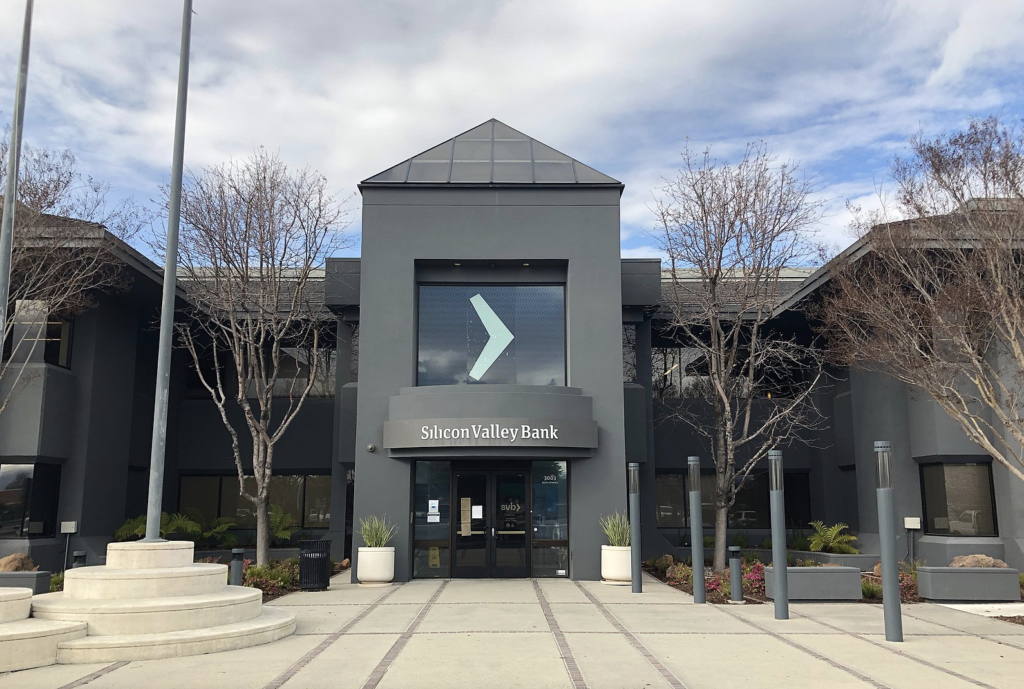
Within hours of the federal takeover, President Biden promised that every no taxpayer fund would go into the bailout. So far. But the government has promised to cover every deposit of any size; the shareholders will be wiped out, but all the businesses that have deposited money in the bank will be made whole.
I get it. But something about it still bothers me. Here’s why:
The same week that SVB failed, a levee on the Pajaro River failed, flooding the nearby community of Pajaro, and forcing 1,700 people, many of them farmworkers, to abandon their homes and flee to shelters.
Biden has not promised to make them whole, to pay to repair all their homes, to replace all their possessions, and to pay for adequate housing while they await the reconstruction of their community.
A few weeks earlier, a train derailed in East Palestine, Ohio, releasing large amounts of highly toxic chemicals. That entire town may be contaminated for decades. Biden never promised to bail out the residents, pay for their relocation to new homes, compensation them for the destruction of local business, and cover and all their medical costs.
Maybe the government had no choice but to stabilize SVB. But when the bankers get held to one standard, and poor people all over the country get held to another, it’s a sign of so much of what is wrong with this country.
It’s also what’s wrong with a lot of San Francisco—witness the response to Sup. Hillary Ronen saying in a tweet what pretty much anyone who believes in social and economic justice would say. Sure: Protect the banks—but protect the most vulnerable, too.