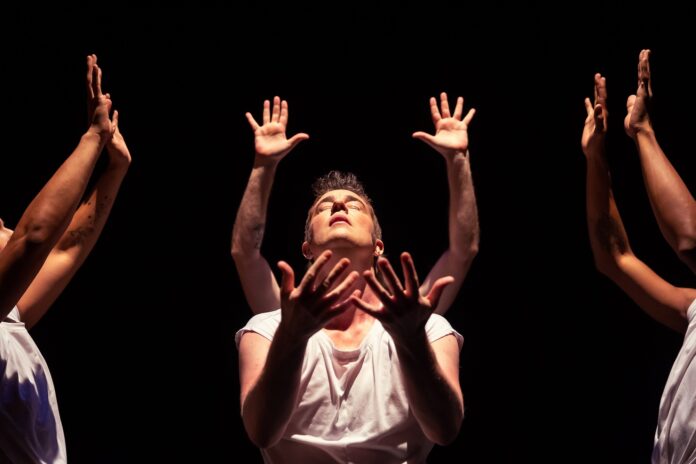
Boundary-breaking, trans-centering dance company Sean Dorsey Dance returns to San Francisco’s Dance Mission Theater for its 22nd Annual Home Season, featuring repertory favorites alongside an early look at a new work-in-progress, We Choose Each Other.
These performances (Fri/24-Sun/26) arrive amid escalating anti-trans legislation and cultural hostility, but Sean Dorsey is not interested in surrendering to despair. Instead, he is creating what he calls “a balm for this moment in America.”
“Before I had a title for this new work, I was reeling with grief—both collective and personal,” Dorsey tells 48 Hills. “This is a time of truly monumental grief for so many folks, from the harm, losses, and violence being done to so many communities.”
The choreographer found himself asking difficult questions: What is a path forward from this space? How do we embrace collective care in the midst of so much fear, anxiety, and rage?
The answer, he says, came from generations of trans and queer people who survived before him.
“When shit gets hard, we choose to show up for each other … even (especially) when no one else will,” says Dorsey. “With love, care, and fierce protectiveness, we choose each other.”
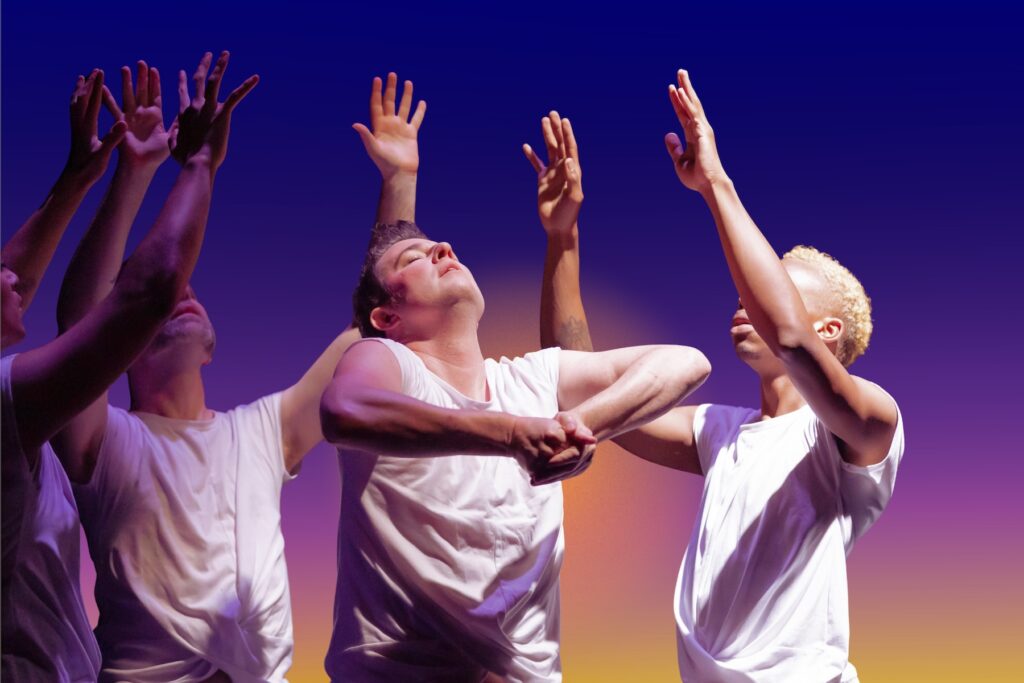
That idea forms the emotional center of the new work, which will be previewed during the Home Season alongside dances drawn from across the company’s two-decade repertory.
Featuring Dorsey, Brandon Graham, Héctor Jaime, David Le, and Nol Simonse, the performances blend movement, spoken word, theatricality, and deeply personal storytelling.

The result is not simply a dance performance, but an invitation into community.
“Everyone I know is steeped in high levels of cortisol and adrenaline,” the choreographer says. “How could we not be? Cruelty, hate-based legislation, persecution, and violence face us every single day.”
For him, dance can offer a reprieve from that constant pressure. It is what he describes as a medicine that brings the community together to mourn, grieve, reclaim joy, share exquisite beauty, and witness trans and queer bodies in motion, led by tenderness and love.
That spirit of mutual care extends beyond the subject matter of We Choose Each Other and into the process of making it.
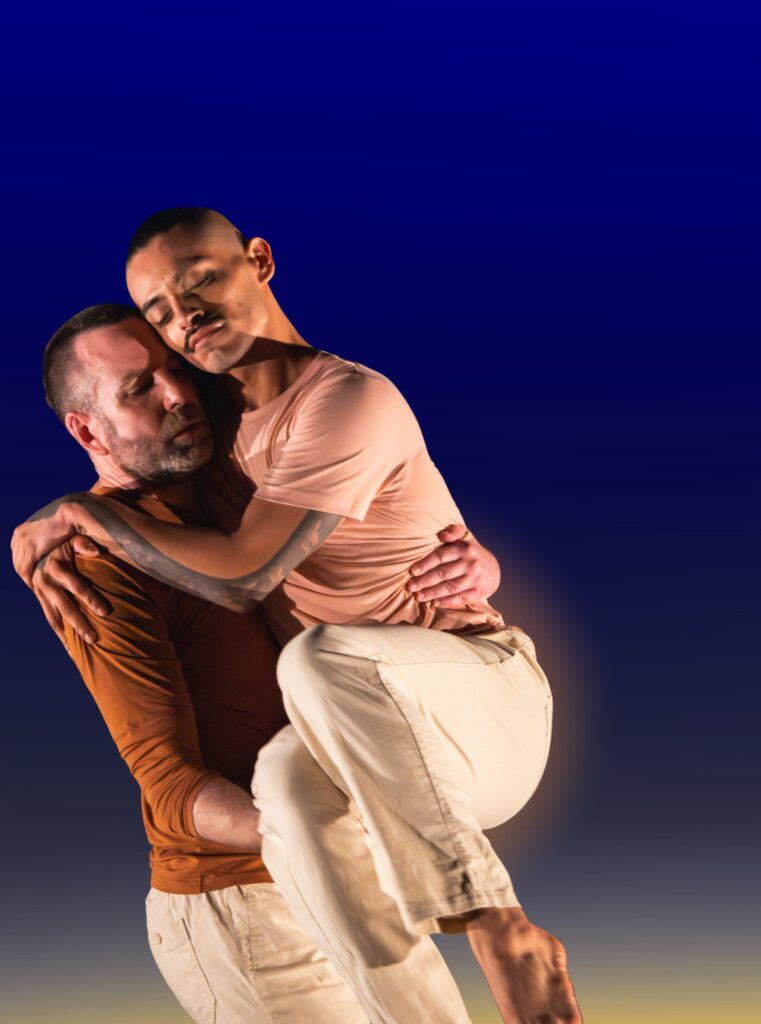
Dorsey describes translating We Choose Each Other into movement and storytelling as an intense, hard, gorgeous, and moving journey that has ultimately become empowering.
He sees the company’s collaborative process in the dance studio as embodying those same values.
“We show up for each other every day,” says the choreographer, “with generosity, love, care, attention, and hard work—in the service of shifting culture and offering healing to each other and our communities.”
That commitment to healing is especially urgent now. Dorsey points out that the current political climate has made clear just how threatening trans, queer, immigrant, disabled, and BIPOC artists are perceived to be by those in power.
For the choreographer, art is not an escape from this painful political reality. It is one of the tools marginalized communities use to survive.
“We cannot create liberated futures unless we imagine them first,” Dorsey says. “The role of the artist is to imagine a better, more just future and to create art that helps us get there by asking questions, offering pathways, tearing down oppressive narratives, and building and sharing new ones.”
Resistance, in the choreographer’s work, does not always look like confrontation. Sometimes it looks like caring enough to center trans and gender-nonconforming stories, experiences, bodies, and leadership. It can also mean insisting on accessible, affirming spaces.
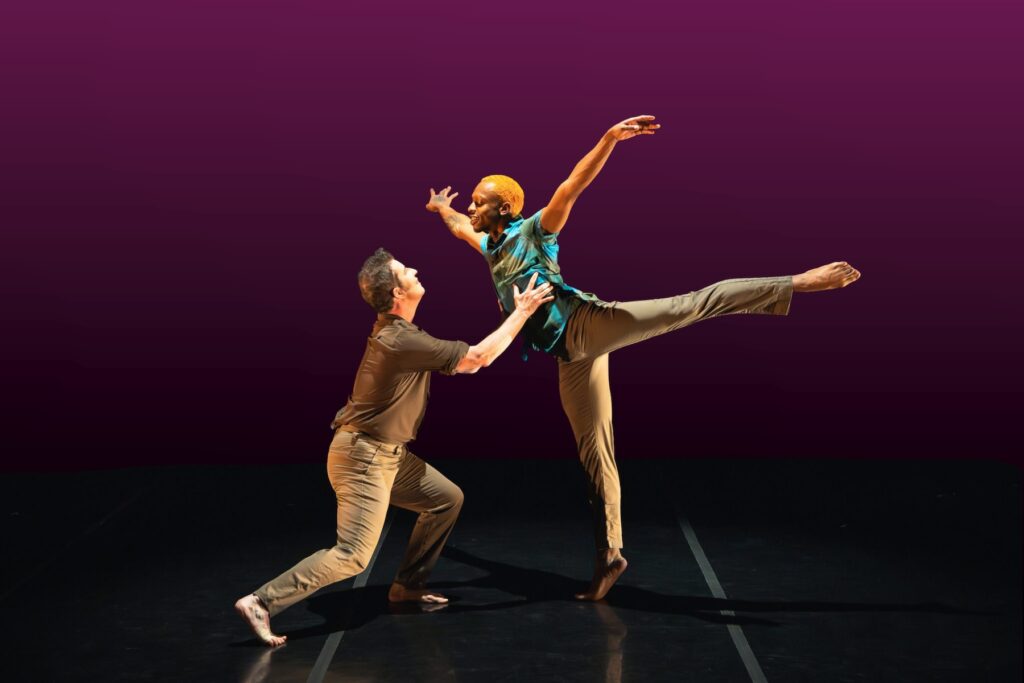
As a transgender, disabled, and deaf/hard-of-hearing artist, he has spent years navigating spaces that were not built with him in mind. He points to conferences without all-gender bathrooms and workshops where he could not hear the instructor because no accommodations were available.
“I have been excluded from many dance and performing arts spaces,” says Dorsey. “My lived experience simply hasn’t been thought of or prioritized. So I think deeply about the spaces I create—and I create them with intention.”
That intention shapes everything from the rehearsal room, where dancers have access to fair wages, free bodywork, and all-gender bathrooms, to the audience experience, with sliding-scale tickets, ASL interpretation, full accessibility for mobility devices, and no requirement for legal ID to buy or pick up tickets.
In other words, accessibility is not an afterthought. It is part of the art.
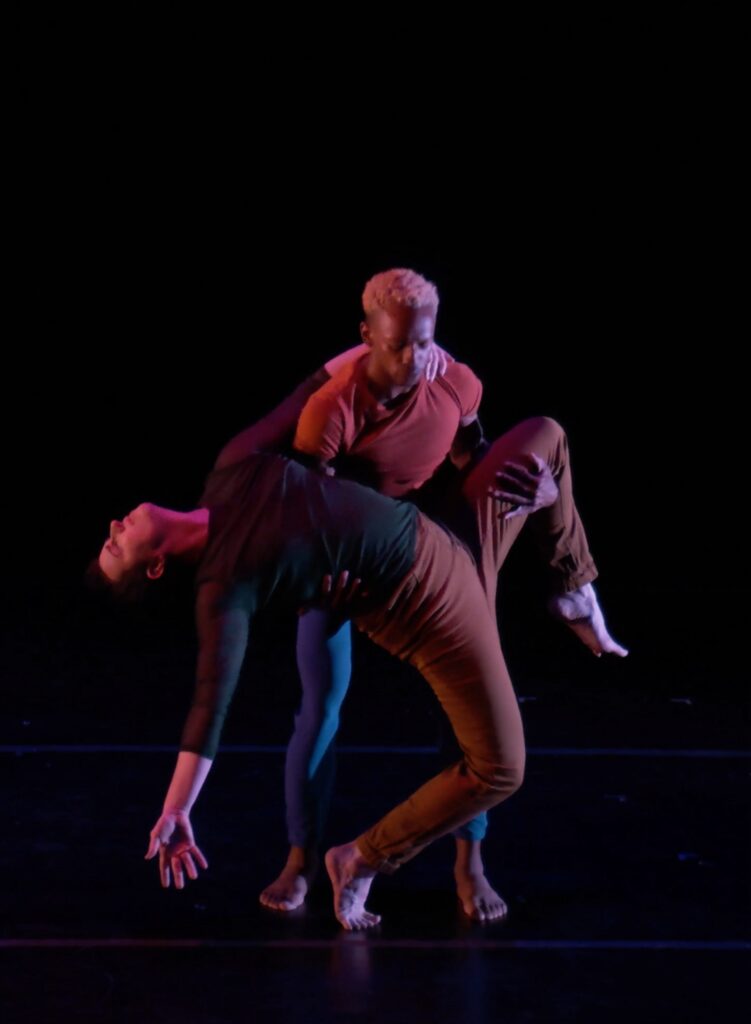
The choreographer hopes trans and queer performers and audience members leave the theater feeling less alone.
“I hope audiences will feel more connected and less isolated, and that they’ll feel that their own grief, fear, and sadness have been witnessed and held with care,” he says. “I hope they will be breathing more deeply and saturated with deep love for themselves and our gorgeous communities.”
He wants cisgender and straight audience members to leave with something else: a sense of responsibility.
“I hope that cisgender and straight audiences will feel a deep desire to act with loving solidarity in support of our communities,” says Dorsey. “We are being persecuted and harmed, so we need cis and straight folks to act up, speak out, and take bold action.”
This season also marks Fresh Meat Productions’ 25th anniversary. Founded by Dorsey, the organization has become one of the most important platforms in the country for trans, queer, and gender-expansive artists.
Looking back, the choreographer is proud not only of the performances Fresh Meat has created, but also of the community infrastructure it has built. Since its inception, Fresh Meat Productions has supported more than 750 trans, gender-expansive, and queer performing artists with more than $ 7 million in funding.
He is also proud of the organization’s role in changing the broader arts landscape by expanding the performing arts canon.
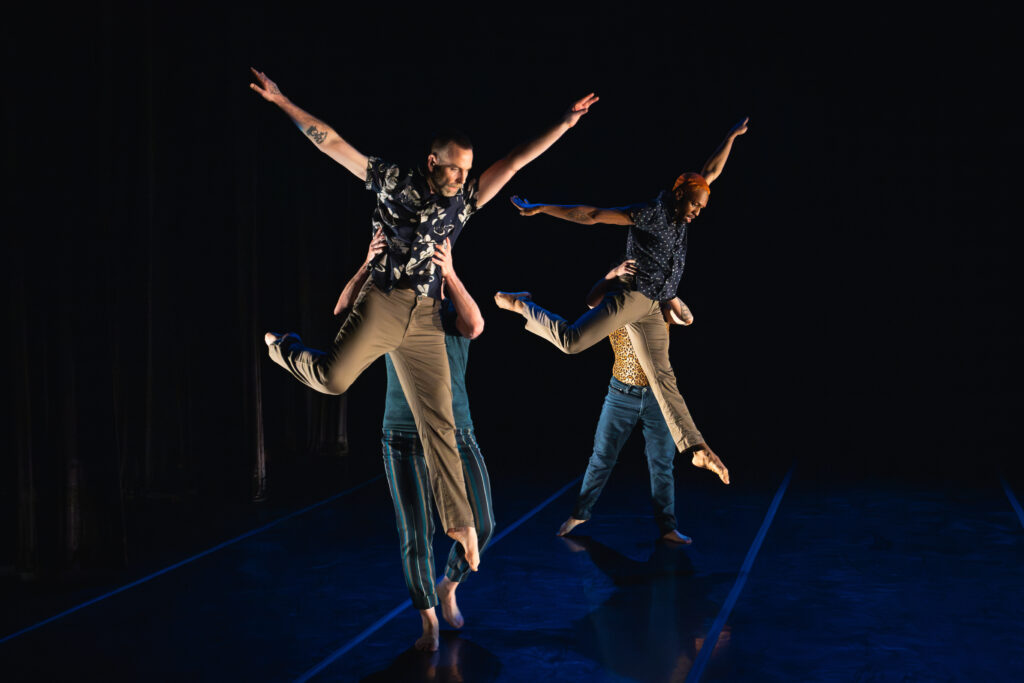
Even after decades of groundbreaking work, Dorsey says what still moves him most are the people who tell him what his dance pieces have meant in their lives, whether it is an audience member who found healing or an aspiring performer who gained the confidence to pursue dance.
“I’m incredibly moved every time a young trans or gender-expansive person tells me I’m the reason they started dancing, that they saw me and realized they could do this too,” he says. “My own coming of age in dance was brutally isolating. I was so alone, so this means the world to me.”
For all his accomplishments, the choreographer says creating new work never comes easy.
“What surprises me most is how challenging it is,” he says. “Making dances that I hope are gorgeous, deeply human, real, and impactful is really hard. It’s also an enormous joy and privilege.”
That combination of difficulty, vulnerability, and devotion runs through everything Dorsey creates.
At a time when so many people are exhausted, frightened, and grieving, We Choose Each Other insists on another possibility: that survival begins with gathering together, caring for one another, and refusing to let go of joy.
SEAN DORSEY DANCE’S 22ND ANNUAL HOME SEASON Fri/24-Sun/26. Dance Mission Theater, SF. Tickets and more info here.