
BART management, without first getting board approval, has entered into a deal with Uber that will allow riders to use the BART app to book Uber rides at the station.
In effect, BART is using public resources to help promote a private company that has as its public, stated goal the destruction of public transportation.
Management presented the agreement to the BART Board Dec. 4, but only as an “information item.”
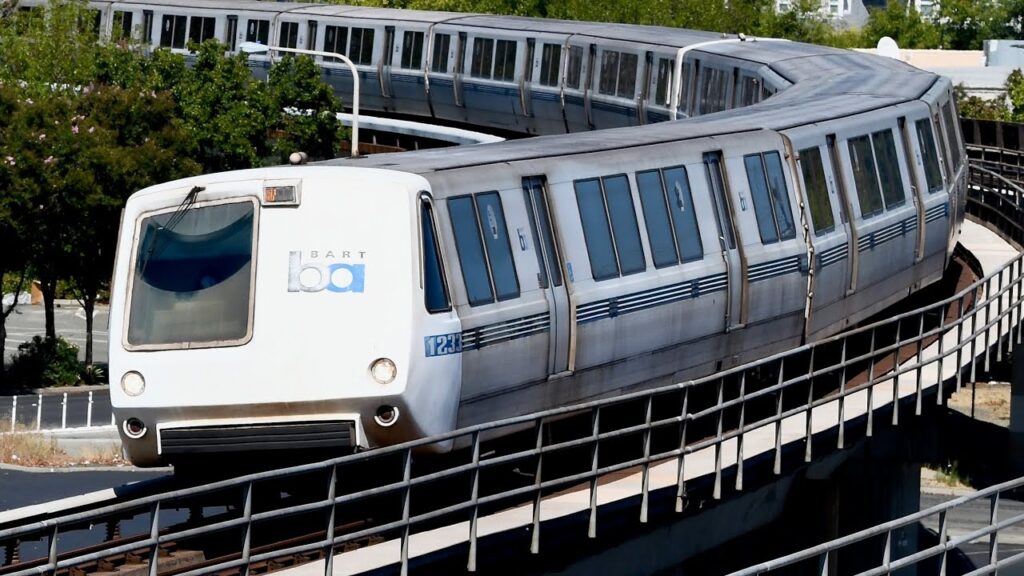
From the agency’s press release:
BART is partnering with Uber Transit to fully integrate seamless end-to-end journey planning and payment all within the BART app. Riders will no longer need to use multiple apps to plan their BART trip and plan and pay for an Uber ride. Everything can be done without leaving the BART app, and the total trip time will be displayed, making things faster and easier for users.
The Uber ride will appear at the top of the BART app, above links to Muni and other forms of public transportation.
Again, from the press release:
Uber Transit is focused nationwide on supporting transit agencies to provide low-cost paratransit trips and to solve first/last mile challenges. This new partnership addresses a key challenge within the Bay Area’s transit network: providing reliable connections for people whose starting location or destination is too far to comfortably walk to a station or bus stop or is underserved by frequent bus or rail service.
That’s just not true. Uber has made clear that its future profits require replacing, not supporting, public transit. The company said exactly that in filings with the Securities and Exchange Commission when it first went public:
Increasing Ridesharing penetration in existing markets. Our large addressable market opportunity means that with approximately 26 billion miles traveled on our platform in 2018, we have only reached a less than 1% penetration of miles traveled in trips under 30 miles in the 63 countries in which we operate. We believe we can continue to grow the number of trips taken with our Ridesharing products and replace personal vehicle ownership and usage and public transportation one use case at a time, including through continued investment in our affordable Ridesharing options, such as Uber Bus and Express POOL.
“Replace public transportation.”

And now, BART sees this company, which exists only because San Francisco allowed it to break the law for years (and destroy the lives of taxi medallion owners) as a reliable partner.
None of the existing cab companies, like Yellow and Flywheel, which both have apps just like Uber, are on the BART app.
BART Director Edward Wright, who represents the East Side of San Francisco, told me he was both surprised and unhappy with BART management’s move.

At the Dec. 4 meeting, he said he had a lot of “discomfort with where we are going … our eagerness to advertise Uber to our riders.
Private cars, Wright said, are “the number one source of greenhouse gas emissions in San Francisco.” More Uber and Lyft vehicles on the streets, he said, mean more congestion—and slower buses and streetcars.
BART’s mission statement, he said, calls for decreasing auto transportation both on and off BART.
This directly conflicts with that mission.
The lead presenter was Ravi Misra, BART’s assistant general manager for technology. He talked about using Uber to increase ridership and said management never went to the board because “things are moving very fast.”
Wright: Tech companies like Uber “have an ethos of disruption, to move fast—and break things.”
Break things like, for example, public transportation.