The San Francisco Police Commission voted 4-2 Wednesday night to enact one one of the most sweeping restrictions on pretext traffic stops in the country, thrilling community advocates and establishing a pro-reform majority on a panel traditionally controlled by the mayor.
Mayor London Breed opposed some of the policy changes, and two of her appointees voted against them (Debra Walker, who also appeared to oppose the changes, had left the meeting by the time the vote took place).
Eleni Balakrishnan has a great moment-by-moment description of the meeting at MissionLocal.
The vote came after Harold Medlock, the retired police chief of Fayetteville North Carolina, gave a detailed presentation of his efforts to end racist policing by curtailing pretext stops and directing officers not to pull over motorists for minor traffic offenses.
It was pretty compelling, and you can watch it here.
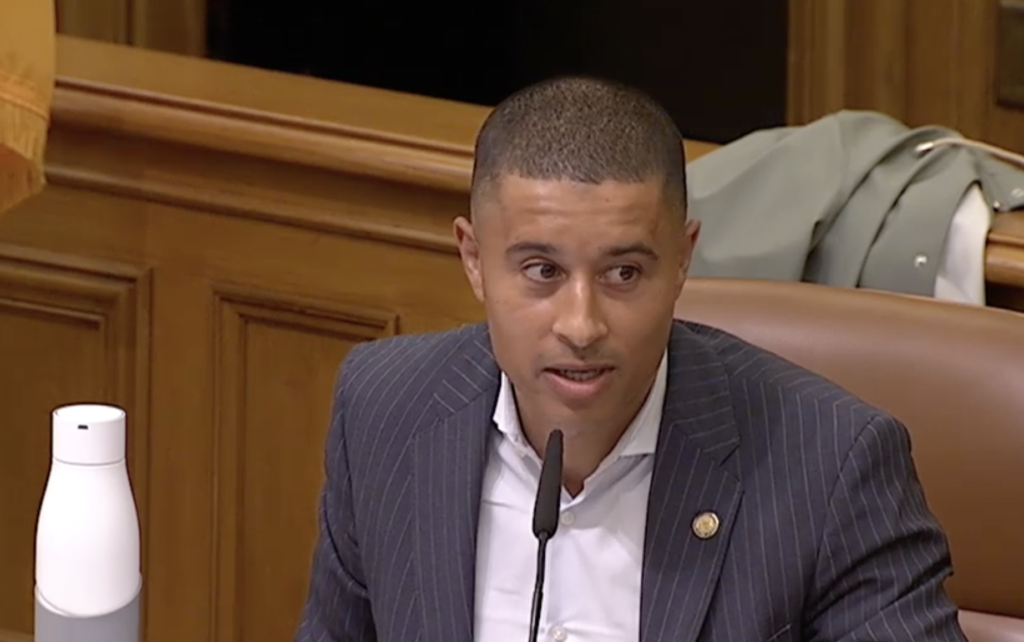
The leader in this effort, Max Carter-Oberstone, is a Breed appointee who stood up to the mayor and set off a big debate about her efforts to make appointees sign undated letters of resignation.
Here are a four takeaways:
The battle between the criminal-justice reform movement and the mayor and district attorney is now happening at the Police Commission. With no election this year, everyone from the Public Defender’s Office to the ACLU is now looking to the commission as a place where the city can still make reforms—and not just on police accountability and discipline but on law-enforcement policy.

Breed specifically complained about that when she spoke to the Board of Supes, saying that an “unelected commission” (never mind that she appointed a majority of the members) shouldn’t be deciding what laws the cops should and shouldn’t follow. Expect more of this.
This Police Commission, unlike some other policy panels in the city, seems determined to work independently; Breed’s consistent attempts to get Carter-Oberstone to back down from his advocacy haven’t worked. That’s a good signal for future reform efforts.
The commission isn’t afraid of the Police Officers Association. In fact, little noticed in the coverage is a part of the resolution that calls on the city not to “meet and confer” with the POA on anything but very limited elements of the new policy. That’s a big step: The POA has used the tactic of demanding meet-and-confer sessions to delay a long list of reforms.
At some point, someone in the news media (I’m guessing Dion Lim at Channel 7) is going to find some instance, somewhere, at some point, where an officer failed to pull someone over for a broken tail light and the driver went on to rob a bank or run over a pedestrian or something else heinous, and the rest of the press will climb on, and we will hear that the policy is endangering public safety. Nobody will both to mention the thousands of Black and Brown people who avoided illegal searches, hassles, and in some cases injuries as a result of pretext stops, because, of course, in SF’s major media world, that isn’t news.