By Tim Redmond
I’m not calling in the Black Helicopters and invoking the United Nations World Government That Will Take Away Your Guns. I’m really not. I don’t even like the idea of regional government having too much power over local land-use decisions, since it tends to come out bad for San Francisco.
But I have to ask: Why is it okay for the regional powers to insist that San Francisco take on 92,000 housing units when Mountain View won’t allow any at all?
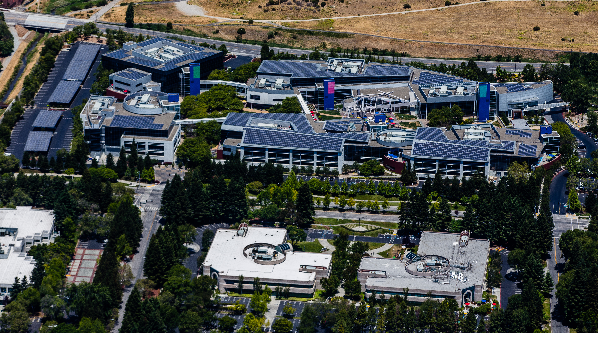
So the Peninsula city, like other Silicon Valley towns, gets all the property tax benefits of Google building a huge campus there—but refuses to take any responsibility for building housing for the workers. No wonder there are traffic problems.
But it’s bigger than traffic: The Peninsula cities that have wooed and accepted giant corporate campuses for tech firms have essentially outsourced their housing needs – to San Francisco. They’ve paid us nothing for taking on the massive impacts of housing a large part of their workforce. They’ve created demand for Google buses, with all the impacts they bring (one almost knocked me off my bike this morning, and I was solidly in the bike lane). Mountain view doesn’t charge Google big housing-impact fees and then pay San Francisco the money. No way.
In the old days, Berkeley city planners used to go to the San Francisco Planning Commission and say: If you approve another big highrise office building, some of those workers are going to want to live in our town, and that will drive up our housing costs and cause more traffic on our streets, and we would like you to account for that. SF’s response: Fuck you. We do what we want, and everyone else has to live with it.
Now the selfishness – and there’s no other word for it – of cities like Mountain View and Cupertino boggles the mind. And I don’t think anyone from San Francisco has so much as written a letter to city or county planners asking that the impacts on this city be taken into account.
Maybe – cue the Black Helicopters here, but seriously – maybe the state Legislature ought to create a process where cities in a dense region that accept giant corporate campuses have to reimburse their neighbors for the housing and traffic impacts that spill over the borders. Then every city that attracts thousands of jobs (for people who don’t already live here) will have no choice but to charge developers and corporations a reasonable fee for their housing and transit impacts.
San Francisco should have been forced to pay Berkeley and Oakland for the damage that the highrise boom of the 1970s and 1980s did to the cities across the Bay and the people who lived there. Now karma is coming back on us.
But it still isn’t fair.